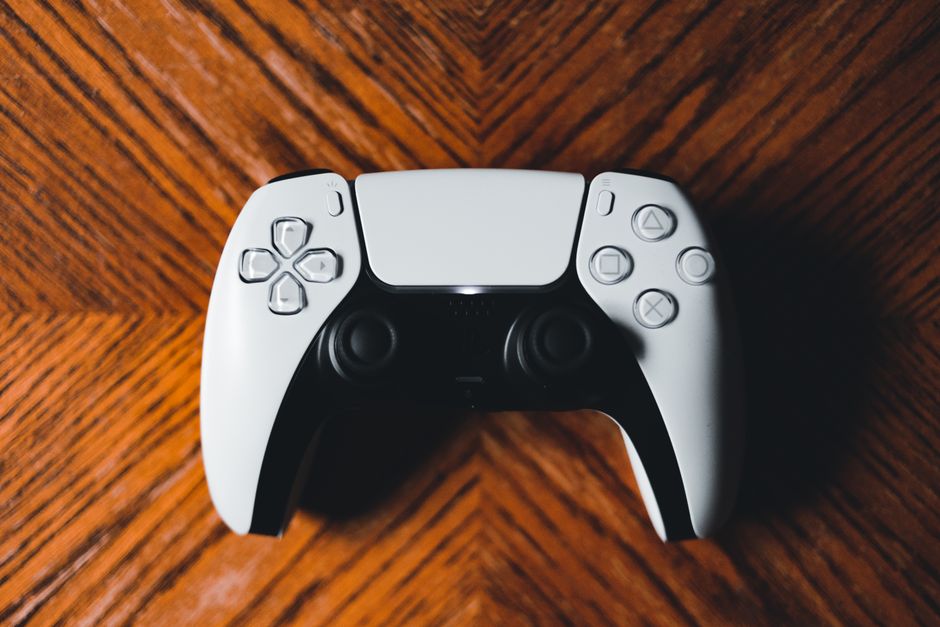
- Valve’s Steam Machine is a PC-console hybrid that offers a wide range of game compatibility.
- The Steam Machine’s Linux-based operating system and proprietary controller set it apart from traditional consoles.
- Customizable hardware allows users to upgrade and modify their Steam Machine to suit their gaming needs.
- The Steam Machine’s flexibility has garnered a loyal following among gamers and developers.
- Despite initial technical issues, the Steam Machine has shown promise for innovation and disruption in the gaming industry.
Valve’s Steam Machine is the most ambitious game console to date, seeking to revolutionize the gaming industry with its unique blend of PC and console capabilities. Released in 2015, the Steam Machine has been making waves in the gaming world, with its ability to play a wide range of games, from AAA titles to indie releases. The console’s first day on the market was marked by troubleshooting and technical issues, but its potential for innovation and disruption in the gaming industry is undeniable.
The Current State of the Steam Machine

The Steam Machine is, in essence, a PC designed specifically for gaming, with a Linux-based operating system and a proprietary controller. Its hardware is highly customizable, allowing users to upgrade and modify their consoles to suit their needs. However, this level of customization also means that the Steam Machine can be prone to technical issues, as users may need to troubleshoot and configure their systems to get the best performance. Despite these challenges, the Steam Machine has garnered a loyal following among gamers and developers, who appreciate its flexibility and potential for innovation.
A Brief History of Game Consoles

The concept of a game console dates back to the 1970s, with the release of the Magnavox Odyssey, the first commercial home video game console. Since then, game consoles have evolved significantly, with major players like Sony, Microsoft, and Nintendo dominating the market. However, the Steam Machine represents a significant departure from traditional console design, as it seeks to combine the best of both worlds: the accessibility and ease of use of a console, with the flexibility and customization options of a PC. This ambitious approach has its roots in Valve’s history as a game developer and publisher, with titles like Half-Life and Counter-Strike.
The People Behind the Steam Machine

The Steam Machine is the brainchild of Valve Corporation, a renowned game developer and publisher. Valve’s CEO, Gabe Newell, has been a driving force behind the Steam Machine, with a vision to create a console that would allow gamers to play a wide range of games, from AAA titles to indie releases, on a single platform. Newell’s motivations for creating the Steam Machine are rooted in his desire to democratize access to gaming, making it possible for developers to create and distribute games without the need for traditional publishing deals. The Steam Machine has also attracted a community of developers and enthusiasts, who are eager to push the boundaries of what is possible on the console.
Consequences and Implications

The Steam Machine has significant implications for the gaming industry, as it challenges traditional console manufacturers and business models. By offering a highly customizable and flexible platform, Valve is disrupting the traditional console market, where manufacturers typically control the types of games that can be played on their systems. The Steam Machine also raises questions about the future of game development and distribution, as it provides a platform for developers to create and distribute games without the need for traditional publishing deals. As the gaming industry continues to evolve, the Steam Machine is likely to play a significant role in shaping its future.
The Bigger Picture
The Steam Machine represents a significant shift in the gaming industry, as it seeks to combine the best of both worlds: the accessibility and ease of use of a console, with the flexibility and customization options of a PC. This approach has far-reaching implications, not just for the gaming industry, but also for the broader technology sector. As game consoles continue to evolve, they are likely to incorporate more PC-like features, blurring the lines between traditional console and PC gaming. The Steam Machine is an important step in this direction, offering a unique and innovative approach to gaming that is likely to shape the future of the industry.
In conclusion, the Steam Machine is a revolutionary console that is likely to have a significant impact on the gaming industry. With its unique blend of PC and console capabilities, it offers a flexible and customizable platform for gamers and developers alike. As the gaming industry continues to evolve, the Steam Machine is likely to play a significant role in shaping its future, and its implications will be felt for years to come. For more information, visit Valve’s official website to learn more about the Steam Machine and its capabilities.
Source: The Verge