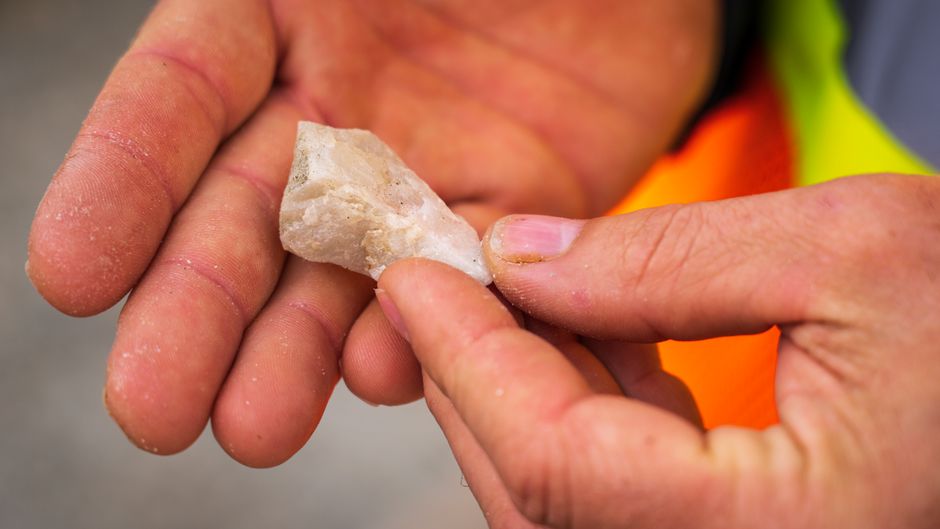
- Human detritus is significantly altering the composition of rocks and geological formations due to activities like mining and waste disposal.
- The increasing presence of human-made materials in the environment is challenging the traditional definition of a rock.
- Researchers are studying the effects of human detritus on geology to understand the complex interactions between human activity and the environment.
- Human activities are introducing new types of rocks that are distinct from their natural counterparts.
- Microplastics have been found in rocks and sediments, highlighting the need for a more nuanced understanding of rock composition.
Scientists are reexamining the definition of a rock due to the significant impact of human detritus on geology. Human activities such as mining, construction, and waste disposal are introducing vast amounts of new materials into the environment, altering the composition of rocks and geological formations. This phenomenon is prompting researchers to reconsider what constitutes a rock and how human influence is shaping the Earth’s geology.
The Evolving Concept of Rocks

The concept of a rock has traditionally been understood as a naturally occurring solid mass of mineral material. However, the increasing presence of human-made materials in the environment is challenging this definition. Researchers are now studying the effects of human detritus on geology, including the formation of new rocks and the alteration of existing ones. This shift in perspective is essential for understanding the complex interactions between human activity and the environment.
Key Findings and Implications

Studies have shown that human activities are introducing significant amounts of new materials into the environment, including plastics, metals, and concrete. These materials are being incorporated into rocks and geological formations, creating new types of rocks that are distinct from their natural counterparts. For example, researchers have identified the presence of microplastics in rocks and sediments, highlighting the need for a more nuanced understanding of the Earth’s geology. The study published in Nature provides further insight into the impact of human detritus on geology.
Analysis and Expert Insights

The incorporation of human-made materials into rocks and geological formations has significant implications for our understanding of the Earth’s geology. Researchers are working to develop new frameworks for understanding the complex interactions between human activity and the environment. Experts in the field are emphasizing the need for a more interdisciplinary approach to studying geology, one that takes into account the impacts of human activity on the environment. According to Nature, this shift in perspective is essential for developing a more comprehensive understanding of the Earth’s geology.
Broader Implications and Future Directions

The redefinition of what constitutes a rock has significant implications for various fields, including geology, environmental science, and conservation. As human activities continue to shape the Earth’s geology, it is essential to develop a more nuanced understanding of the complex interactions between human activity and the environment. Researchers are calling for further study into the impacts of human detritus on geology, including the development of new methods for analyzing and understanding the composition of rocks and geological formations.
Expert Perspectives
Experts in the field are offering contrasting viewpoints on the implications of human detritus on geology. Some researchers argue that the incorporation of human-made materials into rocks and geological formations is a natural process, one that reflects the evolving nature of the Earth’s geology. Others, however, are emphasizing the need for a more critical approach to understanding the impacts of human activity on the environment. According to experts, it is essential to consider the long-term consequences of human detritus on geology and to develop strategies for mitigating its effects.
As researchers continue to study the impacts of human detritus on geology, it is essential to consider the broader implications of this phenomenon. What are the potential consequences of human activities on the Earth’s geology, and how can we work to mitigate its effects? These are the questions that researchers will be exploring in the coming years, as they work to develop a more comprehensive understanding of the complex interactions between human activity and the environment.
Source: Nature