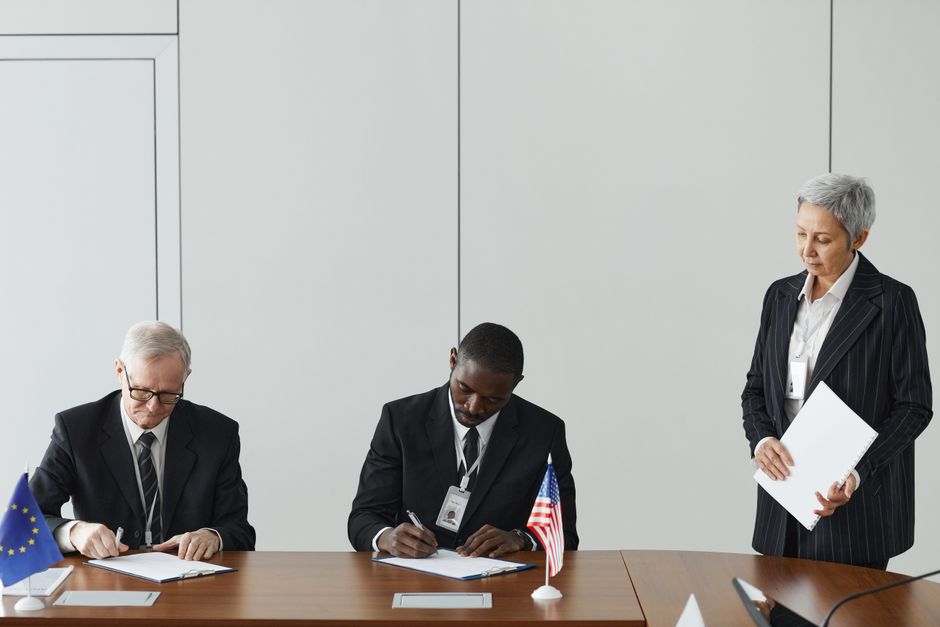
- The US and Iran have sent delegations to Switzerland for nuclear talks to revive the 2015 nuclear deal.
- The negotiations, facilitated by European intermediaries, aim to address key issues surrounding Iran’s nuclear program.
- The talks mark a significant development in the longstanding conflict between the two nations, with implications for regional and global security.
- The US and Iranian delegations have been engaged in indirect talks for several months, with European officials facilitating communication.
- Diplomats remain cautiously optimistic about the prospects for a deal, citing economic and strategic benefits for both parties.
The United States and Iran have sent delegations to Switzerland as talks begin on reviving the 2015 nuclear deal. The high-stakes diplomatic negotiations, which commenced on June 21, 2026, aim to address key issues surrounding Iran’s nuclear program. The talks, facilitated by European intermediaries, mark a significant development in the longstanding conflict between the two nations, with potential implications for regional and global security.
Key Evidence and Data

According to reports from Al Jazeera, the US and Iranian delegations have been engaged in indirect talks for several months, with European officials shuttling between the two sides to facilitate communication. The negotiations have been marked by periods of tension and deadlock, with both sides dug in on key issues such as uranium enrichment and sanctions relief. Despite these challenges, diplomats remain cautiously optimistic about the prospects for a deal, citing the economic and strategic benefits of a negotiated settlement for both parties.
Main Players and Their Roles

The US and Iranian delegations are being led by experienced diplomats with a deep understanding of the complex issues at play. The US team is headed by a seasoned envoy with a background in nuclear non-proliferation, while the Iranian delegation is led by a high-ranking official with close ties to the country’s supreme leader. European intermediaries, including officials from the European Union and individual member states, are playing a crucial role in facilitating the talks and building trust between the two sides. Recent moves by both the US and Iran, including the release of frozen assets and the easing of some sanctions, have helped to create a more favorable atmosphere for negotiations.
Trade-Offs and Challenges

The talks in Switzerland are fraught with challenges and uncertainties, with both sides facing significant domestic and international pressures. The US must balance its desire for a nuclear deal with concerns about Iran’s regional behavior and human rights record, while Iran must weigh the potential economic benefits of a deal against the risks of compromising its sovereignty and nuclear ambitions. The negotiations will require careful trade-offs and compromises on issues such as uranium enrichment, sanctions relief, and verification mechanisms, with the potential for spoilers and deal-breakers lurking in the background.
Timing and Context

The timing of the talks in Switzerland is significant, coming as it does against a backdrop of rising tensions in the Middle East and growing concerns about nuclear proliferation. The 2015 nuclear deal, which was abandoned by the US in 2018, had provided a temporary respite from the conflict, but its collapse has led to a resurgence of tensions and a deepening of the regional security crisis. The current talks offer a rare opportunity for the US and Iran to address their differences and find a way forward, with the support of European intermediaries and the international community.
Where We Go From Here
Looking ahead to the next 6-12 months, there are three possible scenarios for the US-Iran talks. In the first scenario, the two sides reach a comprehensive deal that addresses all the key issues, leading to a significant reduction in tensions and an improvement in regional security. In the second scenario, the talks stall or collapse, leading to a further escalation of tensions and a heightened risk of conflict. In the third scenario, the two sides reach a partial or interim agreement that provides a temporary reprieve from the conflict, but ultimately proves unsustainable in the long term. Whatever the outcome, the talks in Switzerland represent a critical moment in the US-Iran conflict, with significant implications for regional and global security.
In conclusion, the US-Iran talks in Switzerland are a high-stakes diplomatic endeavor with significant implications for regional and global security. While the challenges and uncertainties are considerable, the potential benefits of a negotiated settlement make it an effort worth pursuing, and one that deserves the support and attention of the international community.
Source: Al Jazeera