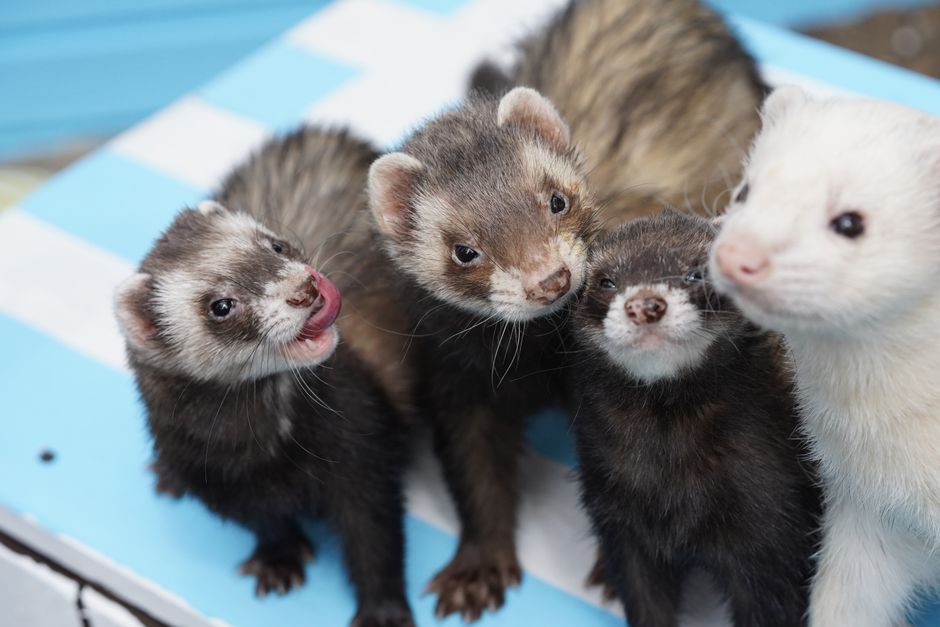
- Therapy ferrets at HMYOI Wetherby in the UK have been used to control a rat infestation, sparking concerns over child and animal welfare.
- Managers co-opted the ferrets despite criticism from staff and the prison officers’ union, who deemed the practice inhumane and risky.
- The decision to use ferrets as vermin control was made despite their primary role as therapy animals to provide comfort to children.
- A bloody incident occurred due to the ferrets’ involvement in rat control, raising questions about the effectiveness and safety of this method.
- The prison officers’ union is calling for an immediate end to the use of ferrets for vermin control due to welfare concerns.
The use of therapy ferrets to kill rats at the UK’s largest children’s prison has sparked concerns over child and animal welfare. At HMYOI Wetherby in West Yorkshire, pet ferrets kept as therapy animals have been co-opted by managers to control a surge in rat numbers, resulting in a bloody incident. The practice has been met with criticism from the prison officers’ union, which is calling for an immediate end to the unorthodox method of vermin control.
Evidence of the Problem

According to reports, the ferrets were introduced as therapy animals to provide comfort and support to the children at the prison. However, managers at the prison saw an opportunity to use the ferrets to kill the rats that had infested the prison offices and grounds. The decision was made despite concerns from staff and the prison officers’ union, who argued that the practice was inhumane and posed a risk to both the children and the animals. The Guardian has reported on the incident, highlighting the need for a more humane and effective solution to the rat problem.
Key Players and Their Roles

The prison officers’ union has been at the forefront of the criticism, arguing that the practice is unacceptable and poses a risk to the welfare of both the children and the animals. The union has called for an immediate end to the practice and is seeking a more humane and effective solution to the rat problem. The managers at the prison have defended their decision, arguing that the ferrets are an effective means of controlling the rat population. However, their decision has been met with widespread criticism from animal welfare groups and experts, who argue that the practice is inhumane and unnecessary.
Trade-Offs and Consequences

The use of therapy ferrets to kill rats at the prison has significant trade-offs and consequences. On the one hand, the practice may provide a temporary solution to the rat problem, but on the other hand, it poses a risk to the welfare of both the children and the animals. The practice also raises questions about the ethics of using animals for pest control and the potential long-term consequences for the children who are exposed to the practice. Furthermore, the practice may also have a negative impact on the reputation of the prison and the wider criminal justice system, undermining efforts to rehabilitate and support the children in their care.
Timing and Context

The decision to use therapy ferrets to kill rats at the prison was made following a surge in rat numbers in the prison offices and grounds. The incident has sparked a wider debate about the use of animals for pest control and the need for more humane and effective solutions. The timing of the incident is also significant, coming at a time when there is growing concern about the welfare of children in custody and the need for more effective and supportive approaches to rehabilitation. The World Health Organization has highlighted the need for more humane and effective approaches to healthcare and rehabilitation, and the incident at the prison serves as a reminder of the need for a more compassionate and supportive approach to the care of children in custody.
Where We Go From Here
Looking ahead, there are several possible scenarios for the next 6-12 months. One possible scenario is that the prison will abandon the practice of using therapy ferrets to kill rats and seek a more humane and effective solution to the problem. Another possible scenario is that the practice will continue, despite the criticism and concerns, and will become a source of ongoing controversy and debate. A third possible scenario is that the incident will spark a wider debate about the use of animals for pest control and the need for more humane and effective solutions, leading to changes in policy and practice at the prison and beyond.
In conclusion, the use of therapy ferrets to kill rats at the UK’s largest children’s prison is a concerning trend that raises important questions about the welfare of children and animals. The practice is inhumane, unnecessary, and poses a risk to the welfare of both the children and the animals, and it is imperative that the prison seeks a more humane and effective solution to the rat problem. Ultimately, the incident serves as a reminder of the need for a more compassionate and supportive approach to the care of children in custody, and the importance of prioritizing their welfare and well-being above all else.
Source: The Guardian