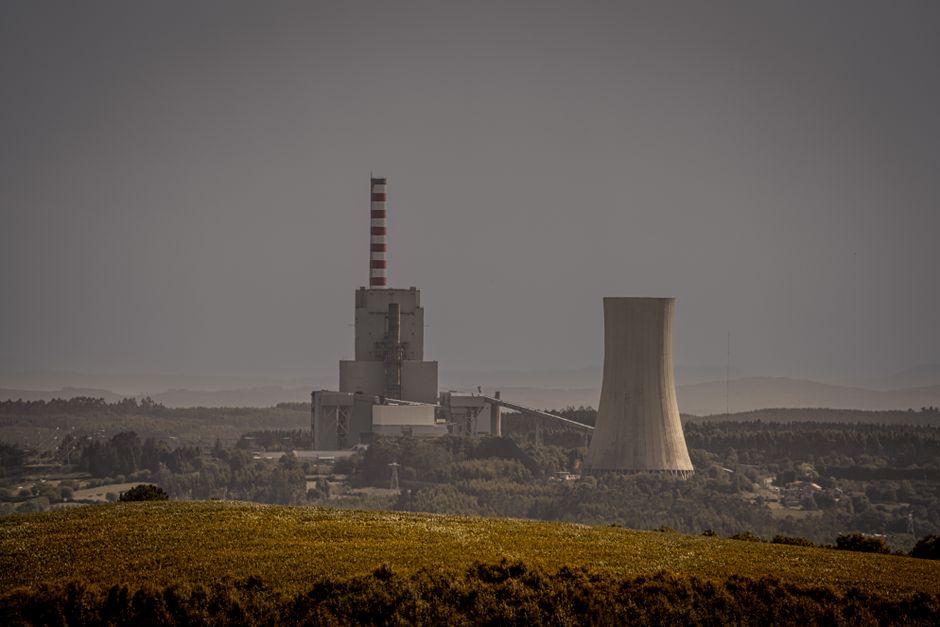
- The Trump administration’s investments in coal plants with repeated environmental violations have sparked debate and criticism.
- The decision to support coal plants with questionable environmental records has raised concerns about the administration’s priorities.
- Coal plants are a significant source of pollution, contributing to climate change and posing health risks to nearby communities.
- The Trump administration’s move to support coal plants contradicts the country’s shift towards cleaner energy sources.
- Environmental groups and lawmakers have criticized the administration’s decision to aid plants with repeated environmental violations.
The Trump administration’s investments in the coal industry have raised concerns after it was revealed that at least three coal plants with repeated environmental violations have received financial assistance. The move has sparked debate about the administration’s priorities and the potential consequences for the environment. As the country continues to shift towards cleaner energy sources, the decision to support coal plants with questionable environmental records has left many wondering about the motivations behind such actions.
Understanding the Investments

The Trump administration’s investments in the coal industry are part of a broader effort to revive the sector. However, the decision to aid plants with repeated environmental violations has been met with criticism from environmental groups and lawmakers. The plants in question have been cited for violating various environmental regulations, including those related to air and water pollution. Despite these violations, the administration has chosen to provide financial support, citing the need to protect jobs and promote energy independence.
Evidence of Environmental Harm

Studies have shown that coal plants are a significant source of pollution, contributing to climate change and posing health risks to nearby communities. The Environmental Protection Agency has implemented various regulations to limit emissions from coal plants, but the plants in question have consistently failed to comply. Data from the EPA’s enforcement database reveals a pattern of repeated violations, including exceedances of particulate matter and sulfur dioxide emissions.
Counter-Perspectives

Supporters of the administration’s decision argue that the coal industry is essential for energy security and that the plants in question are taking steps to improve their environmental performance. They point to investments in pollution controls and efforts to increase efficiency as evidence that the industry is committed to reducing its environmental impact. However, critics argue that these efforts are insufficient and that the administration’s support for the coal industry is misguided, given the availability of cleaner energy sources and the growing demand for renewable energy.
Real-World Impact

The decision to aid coal plants with repeated environmental violations has significant implications for local communities and the environment. The plants in question are often located in areas with already poor air and water quality, and the continued operation of these facilities exacerbates existing health problems. Furthermore, the administration’s support for the coal industry sends a signal that environmental regulations are not a priority, potentially emboldening other industries to disregard environmental rules. As the country moves forward, it is essential to consider the long-term consequences of such decisions and to prioritize environmental protection and public health.
What This Means For You
The Trump administration’s decision to aid coal plants with repeated environmental violations highlights the need for increased transparency and accountability in environmental decision-making. As a consumer, it is essential to be aware of the environmental impact of the energy sources you use and to support companies that prioritize sustainability. By making informed choices and demanding more from our leaders, we can promote a cleaner, healthier environment for future generations.
As the debate over the future of the coal industry continues, one question remains: what role will the government play in shaping the energy landscape of the future? Will the administration’s support for the coal industry be a short-term solution or a long-term strategy? As the country navigates the transition to cleaner energy sources, it is crucial to consider the implications of such decisions and to prioritize environmental protection, public health, and sustainable development.
Source: Ars Technica