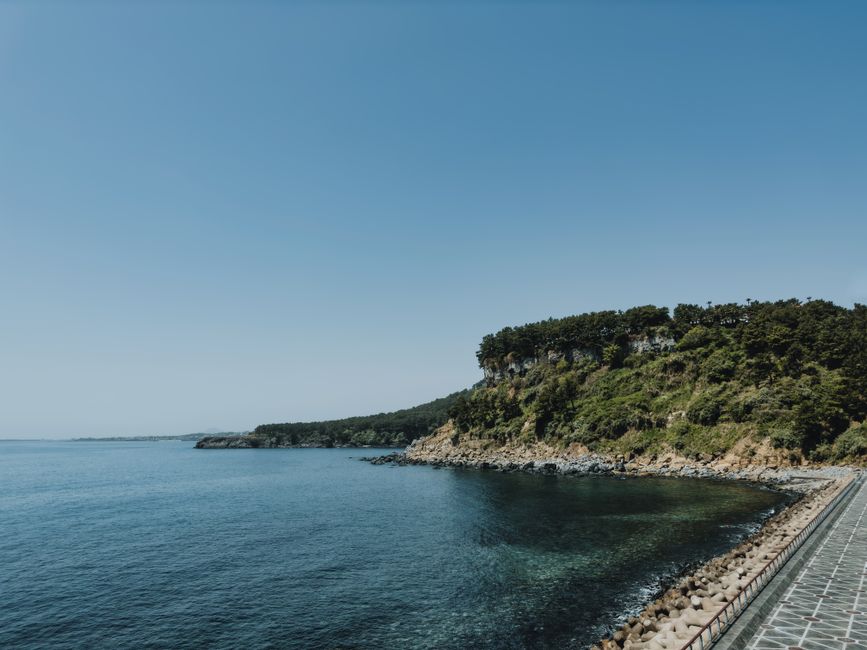
- Bigeum Island is reviving a 175-year-old story of a French whaler shipwreck to boost its economy through a unique wine festival.
- The island’s champagne festival aims to attract tourists and put Bigeum Island on the map as a tourist destination.
- The story of the shipwreck has been largely forgotten, but the island’s residents are using it to promote their island’s history.
- Bigeum Island is facing significant challenges, including a declining population and a lack of economic opportunities.
- The wine festival is a way to diversify the island’s economy and offer tourists a unique experience with champagne and wine tastings.
Bigeum Island, a small South Korean island, is reviving a long-forgotten episode involving a French whaler that shipwrecked off its coast 175 years ago, as a wine festival, in an effort to stay relevant and attract tourists. The island’s champagne festival is a unique attempt to boost its economy and put itself on the map. The story of the shipwreck, which resulted in a large quantity of champagne and wine being washed ashore, has been largely forgotten, but the island’s residents are now using it as a way to promote their island and its history.
The Current State of Bigeum Island

Bigeum Island is currently facing significant challenges, including a declining population and a lack of economic opportunities. The island’s residents are largely reliant on fishing and farming, but these industries are not enough to sustain the island’s economy. The wine festival is seen as a way to diversify the island’s economy and attract new visitors. The festival features champagne and wine tastings, as well as traditional Korean food and music. The island’s residents are also offering tours of the island’s historic sites, including the location where the French whaler shipwrecked.
A History of Shipwrecks and Survival

The story of the French whaler that shipwrecked off Bigeum Island’s coast 175 years ago is a fascinating one. The ship, which was carrying a large quantity of champagne and wine, was on its way to China when it encountered bad weather and was wrecked on the island’s rocky coast. The crew survived the wreck, but the ship’s cargo was lost, and the champagne and wine were washed ashore. The island’s residents at the time were amazed by the sudden appearance of the luxury goods, and the story of the shipwreck has been passed down through generations. The island’s history is marked by other shipwrecks and stories of survival, and the residents are proud of their ability to thrive in the face of adversity.
The People Behind the Festival

The wine festival is the brainchild of the island’s residents, who are determined to promote their island and its history. The festival’s organizers are a group of local business owners and residents who are passionate about preserving the island’s culture and traditions. They have worked tirelessly to promote the festival and attract visitors to the island. The island’s mayor, who has been a key supporter of the festival, believes that it has the potential to put Bigeum Island on the map and attract new investment to the area. The organizers have also partnered with local wine producers and restaurants to offer a unique and authentic experience to visitors.
Consequences for the Island’s Economy

The wine festival has the potential to have a significant impact on Bigeum Island’s economy. If the festival is successful, it could attract new visitors to the island and provide a much-needed boost to the local economy. The festival could also help to promote the island’s unique culture and traditions, and provide a sense of pride and identity for the island’s residents. However, there are also risks associated with the festival, including the potential for over-tourism and the impact on the island’s fragile ecosystem. The island’s residents and leaders will need to carefully manage the festival and its impact to ensure that it benefits the island and its community in the long term.
The Bigger Picture
The story of Bigeum Island’s wine festival is part of a larger trend of rural areas and small towns looking for ways to revitalize their economies and attract new visitors. Many rural areas are facing significant challenges, including declining populations and a lack of economic opportunities. The wine festival is an example of how creative thinking and innovation can be used to promote a unique aspect of a community’s history and culture. As the New York Times has reported, rural areas are increasingly looking for ways to diversify their economies and attract new investment. The island’s story has also been covered by other outlets, including BBC, which has highlighted the island’s unique culture and traditions.
The success of Bigeum Island’s wine festival will depend on the island’s ability to balance its desire to attract new visitors with the need to preserve its unique culture and traditions. The island’s residents will need to carefully manage the festival and its impact to ensure that it benefits the island and its community in the long term. As the festival continues to grow and develop, it will be important for the island’s leaders to prioritize the needs of the community and to ensure that the festival remains a positive force for the island’s economy and culture. The island’s story is a testament to the power of creativity and innovation in promoting a community’s unique history and culture, and it will be interesting to see how the festival develops in the future.
Source: The New York Times