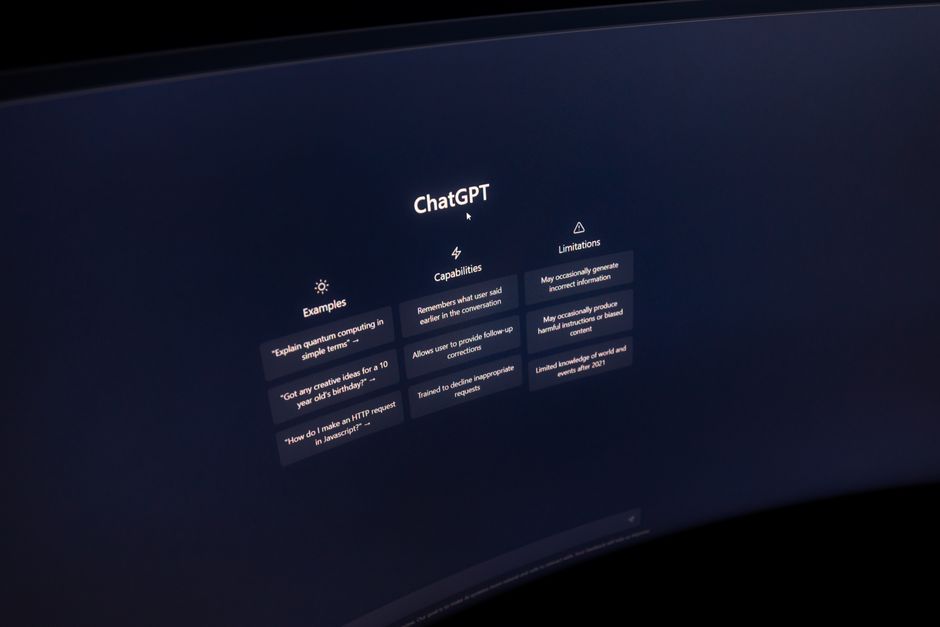
- AI chatbots lack consciousness and sentience, operating solely on algorithms and data processing.
- Misconceptions about AI chatbots’ consciousness can lead to misplaced trust and overreliance on these systems.
- Recognizing the fundamental difference between AI chatbots and conscious beings is vital for setting realistic expectations and ethical boundaries.
- AI chatbots are complex code, not intelligent or conversational entities with subjective experience or emotions.
- Understanding the true nature of AI chatbots is essential for navigating their benefits and limitations in various applications.
As AI chatbots become increasingly prevalent in our daily lives, Meredith Whittaker, a prominent figure at Signal, is sounding the alarm: these chatbots are not your friends. Whittaker’s warning serves as a reminder that behind the seemingly intelligent and conversational interfaces lies complex code, not consciousness. This distinction is crucial, as it affects how we interact with and rely on these technologies. With AI chatbots being used in various applications, from customer service to virtual assistants, understanding their true nature is essential for navigating their benefits and limitations.
Understanding the Nature of AI Chatbots

Whittaker’s statement, “These are not your friends. These are not conscious beings. These are not sentient interlocutors,” directly addresses the misconception that AI chatbots possess consciousness or sentience. This misconception can lead to misplaced trust and overreliance on these systems. In reality, AI chatbots operate based on sophisticated algorithms and data processing, lacking the capacity for subjective experience, emotions, or self-awareness that define conscious beings. Recognizing this fundamental difference is vital for setting realistic expectations and ethical boundaries in the development and use of AI technologies.
Evidence from the Field of Artificial Intelligence

Experts in the field of artificial intelligence, including those at Wikipedia’s artificial intelligence entry, support Whittaker’s perspective by highlighting the current limitations of AI. While AI systems can simulate conversation, learn from data, and even exhibit creative behaviors, these capabilities are derived from computational processes, not conscious thought. The lack of sentience in AI chatbots means that their responses, though potentially helpful or informative, are ultimately determined by their programming and the data they have been trained on, rather than any personal opinion or feeling.
Counter-Perspectives and the Ethical Debate

Despite the consensus among AI researchers about the non-sentient nature of chatbots, there are ongoing debates about the ethical implications of creating machines that mimic human-like intelligence. Some argue that the advancement of AI, even if it doesn’t lead to consciousness, raises important questions about accountability, privacy, and the potential for misuse. Others propose that the development of more sophisticated AI could eventually lead to a form of consciousness or at least challenge our current understanding of intelligence and consciousness. However, Whittaker’s warning underscores the need for a cautious and informed approach to AI development, emphasizing the importance of distinguishing between the simulation of intelligence and true consciousness.
Real-World Impact of AI Chatbots

The distinction between AI chatbots and conscious beings has significant real-world implications. For instance, in customer service, understanding that chatbots are not empathetic entities but rather tools designed to provide information or solve problems can manage user expectations and improve the overall service experience. Moreover, recognizing the limitations of AI chatbots in terms of consciousness and sentience can guide more ethical and responsible development, ensuring that these technologies are used to augment human capabilities rather than replace them. As AI continues to integrate into various aspects of life, from healthcare and education to employment and social interactions, the importance of Whittaker’s message will only continue to grow.
What This Means For You
The practical takeaway from Whittaker’s warning is the need for a critical and nuanced understanding of AI technologies. As users, being aware that AI chatbots are programmed tools rather than conscious entities can help us navigate their use more effectively and safely. This awareness also encourages us to demand more transparency and accountability from developers and to consider the broader societal implications of AI integration. By doing so, we can harness the benefits of AI while minimizing its risks and ensuring that these technologies serve to enhance, rather than undermine, human well-being.
As we move forward in an era where AI chatbots are becoming increasingly prevalent, an open question remains: how will our relationship with these technologies evolve, and what will be the consequences of blurring the lines between human and machine? The answer to this question will depend on our ability to balance innovation with ethical consideration, ensuring that the development and use of AI align with human values and promote a future where technology complements, rather than compromises, our humanity.
Source: TechCrunch