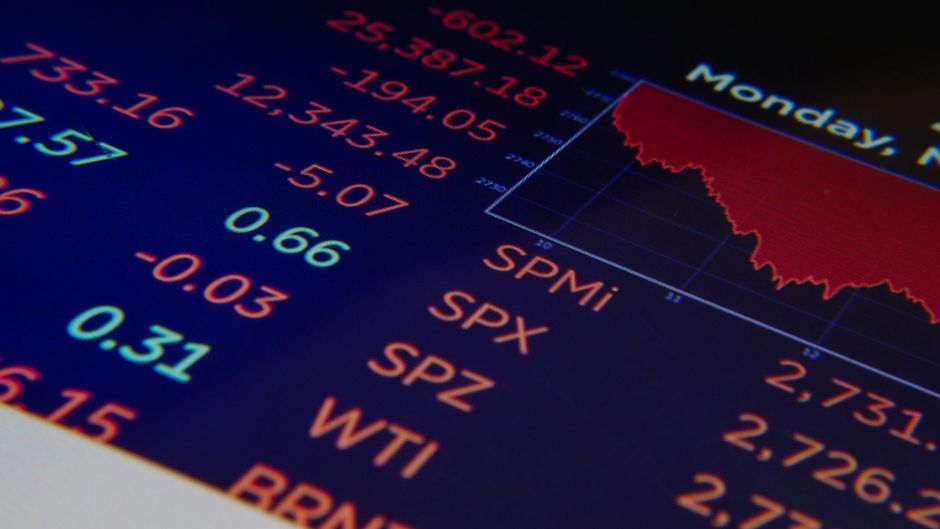
- President Trump relies heavily on the stock market as a measure of his presidential success, often citing its performance in press briefings and speeches.
- The stock market’s rise as a presidential benchmark is a relatively recent phenomenon, reflecting Trump’s business background and desire to be seen as a successful deal-maker.
- Trump’s focus on short-term market gains may come at the expense of long-term economic growth, a concern for many economists and policymakers.
- Key players, including Treasury Secretary Steven Mnuchin and National Economic Council Director Larry Kudlow, have shaped the administration’s economic policies, which prioritize stock market performance.
- The stock market’s influence on Trump’s presidency has significant implications for the US economy, as it may lead to policies that benefit wealthy investors at the expense of working-class Americans.
President Trump has increasingly relied on the stock market as a key measure of his presidential success, according to recent reports. The stock market has become a crucial indicator of Trump’s economic strategy, with the president frequently citing its performance as evidence of his administration’s accomplishments. This development has significant implications for the US economy and Trump’s presidency, as it suggests that the president is prioritizing short-term market gains over long-term economic growth.
The Rise of the Stock Market as a Presidential Benchmark

The stock market’s emergence as a key measure of presidential success is a relatively recent phenomenon. In the past, presidents have typically focused on more traditional indicators of economic performance, such as GDP growth, unemployment rates, and inflation. However, Trump’s emphasis on the stock market reflects his business background and his desire to be seen as a successful deal-maker. As the stock market continues to surge, Trump has seized on its performance as a way to demonstrate his effectiveness as a president and to deflect criticism of his policies.
Key Players and Policies

The stock market’s influence on Trump’s presidency extends beyond the president himself. Key players, such as Treasury Secretary Steven Mnuchin and National Economic Council Director Larry Kudlow, have also played important roles in shaping the administration’s economic policies. These policies, including tax cuts and deregulation, have been designed to boost economic growth and increase stock market performance. As a result, the stock market has become a critical component of Trump’s economic strategy, with the president and his advisors closely monitoring its performance and adjusting their policies accordingly.
Causes and Consequences

The causes of the stock market’s rise to prominence as a presidential benchmark are complex and multifaceted. One key factor has been the prolonged period of economic growth and low unemployment, which has created a favorable environment for the stock market to flourish. Additionally, Trump’s business-friendly policies and his willingness to engage with corporate leaders have helped to boost investor confidence and drive up stock prices. However, the consequences of this development are more nuanced, as some experts warn that the president’s focus on short-term market gains may come at the expense of long-term economic sustainability and social welfare.
Implications and Effects

The implications of the stock market’s emergence as a key measure of presidential success are far-reaching and significant. For one, it suggests that Trump is prioritizing the interests of wealthy investors and corporations over those of ordinary Americans. Additionally, the president’s focus on short-term market gains may lead to policies that exacerbate income inequality and undermine social safety nets. As the stock market continues to influence Trump’s presidency, it is essential to consider the potential effects on the broader economy and society, including the potential for increased economic instability and decreased social mobility.
Expert Perspectives
Experts have offered contrasting viewpoints on the significance of the stock market as a presidential benchmark. Some, such as economists at Reuters, argue that the stock market is a useful indicator of economic performance and that Trump’s focus on it is justified. Others, such as analysts at the New York Times, warn that the president’s emphasis on the stock market is misguided and may lead to policies that benefit the wealthy at the expense of the poor. As the debate continues, it is essential to consider the potential implications of the stock market’s influence on Trump’s presidency and the broader economy.
Looking ahead, it is unclear how the stock market will continue to influence Trump’s presidency. However, one thing is certain: the president’s focus on the stock market will remain a critical aspect of his economic strategy. As the economy continues to evolve and the stock market remains a key indicator of presidential success, it is essential to monitor the potential effects on the broader economy and society. What will be the long-term consequences of Trump’s emphasis on the stock market, and how will it shape the future of the US economy?
Source: Reddit