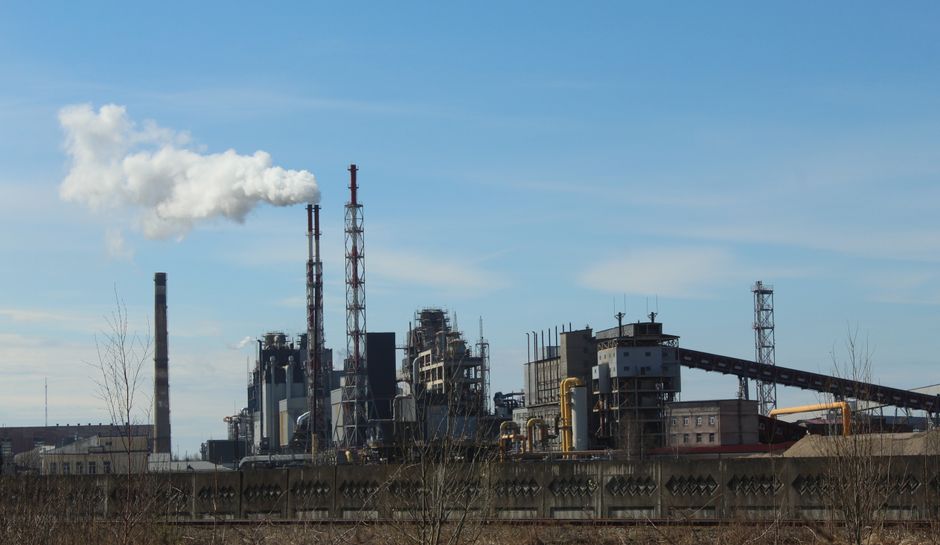
- PFOA emissions from the AGC Chemicals Europe plant in Lancashire may be linked to high kidney cancer rates in the surrounding area.
- The study investigating PFOA emissions underestimated the true extent of the problem, according to reports.
- PFOA is a known carcinogenic forever chemical that has been linked to various health problems, including kidney cancer.
- The AGC Chemicals Europe plant emitted an estimated 49 tonnes of PFOA between the 1950s and 2012 before the chemical was banned globally in 2020.
- Local residents have raised concerns over the impact of PFOA emissions on their health, with experts echoing their skepticism about the study’s conclusions.
What are the health implications of living near a factory that emits forever chemicals, and why should residents of Lancashire be concerned about kidney cancer rates? A recent government-funded study on the AGC Chemicals Europe plant in Thornton-Cleveleys, near Blackpool, has raised more questions than answers, with experts casting doubt on its conclusions. The study investigated the link between the plant’s emissions of PFOA, a known carcinogenic forever chemical, and kidney cancer rates in the surrounding area.
Understanding the Risks of PFOA Emissions

The AGC Chemicals Europe plant emitted an estimated 49 tonnes of PFOA between the 1950s and 2012, before the chemical was banned globally in 2020. PFOA has been linked to various health problems, including kidney cancer, and its emissions have been a major source of concern for local residents. The government-funded study aimed to assess the impact of these emissions on kidney cancer rates, but its conclusions have been met with skepticism by experts. According to reports, the study’s findings may have underestimated the true extent of the problem.
Evidence and Expert Opinion

Several experts have spoken out against the study’s conclusions, citing concerns over its methodology and data analysis. For example, some have pointed out that the study’s sample size may have been too small to draw reliable conclusions, while others have questioned the study’s failure to account for other potential factors that could influence kidney cancer rates. As Dr. Maria Neira, a leading expert on environmental health, notes, “The evidence on PFOA and kidney cancer is clear: exposure to this chemical increases the risk of developing this disease.” The World Health Organization has also emphasized the need for caution when dealing with forever chemicals like PFOA.
Counter-Perspectives and Criticisms

Not all experts agree that the study’s conclusions are flawed, however. Some have argued that the study’s findings are consistent with other research on PFOA emissions and kidney cancer rates. Additionally, the factory’s owners, AGC Chemicals Europe, have maintained that they have taken steps to minimize the plant’s environmental impact and ensure the safety of local residents. Nevertheless, many experts remain unconvinced, citing the need for more robust and transparent research on the issue. As one critic noted, “The study’s conclusions seem to downplay the risks associated with PFOA emissions, which is concerning given the chemical’s known health impacts.”
Real-World Implications and Consequences

The debate over the study’s conclusions has significant real-world implications for residents of Lancashire and beyond. If the study’s findings are indeed flawed, it could mean that kidney cancer rates in the area are higher than reported, and that more needs to be done to address the problem. Furthermore, the issue highlights the need for greater transparency and accountability in environmental health research, particularly when it comes to the study of forever chemicals like PFOA. As the Centers for Disease Control and Prevention note, “Exposure to environmental chemicals like PFOA can have serious health consequences, and it is essential that we take steps to minimize these risks.”
What This Means For You
So what can you do to protect yourself and your loved ones from the risks associated with PFOA emissions? First and foremost, it is essential to stay informed about the issue and to follow reputable sources of information, such as the scientific literature and established news outlets. Additionally, if you live in an area where PFOA emissions have been a concern, you may want to consider taking steps to reduce your exposure, such as using a water filter or avoiding products that contain forever chemicals.
As the debate over the study’s conclusions continues, one thing is clear: the issue of PFOA emissions and kidney cancer rates is complex and multifaceted, and it will require ongoing research and attention to fully understand and address. What other questions do you have about the health impacts of forever chemicals, and how can we work together to create a safer and healthier environment for everyone?
Source: The Guardian