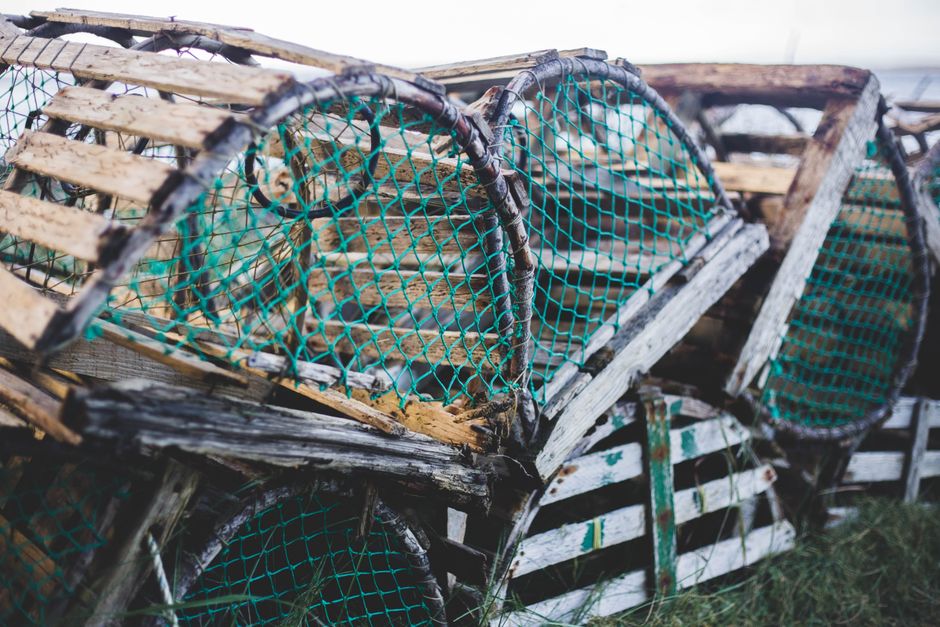
- Lobster fishing equipment is being redesigned to prioritize marine life through the use of escape hatches.
- Escape hatches allow non-target species to exit lobster pots, reducing unnecessary deaths.
- The design of escape hatches takes into account the size and type of marine life commonly caught in lobster pots.
- Studies have shown that escape hatches can significantly reduce bycatch in the fishing industry.
- Implementing escape hatches promotes more sustainable fishing practices and helps protect marine life.
What happens when fishing equipment is redesigned to prioritize marine life? The answer lies in a simple yet effective solution: escape hatches on lobster pots. This innovation is changing the face of fishing, saving thousands of marine creatures from bycatch. Bycatch, or the catching of non-target species, is a significant problem in the fishing industry, and this redesign aims to mitigate its effects. With the implementation of escape hatches, marine life can now escape from lobster pots, reducing the number of unnecessary deaths.
How Do Escape Hatches Work?

Escape hatches are designed to allow non-target species to exit the lobster pot, while keeping the target species, such as lobsters, inside. This is achieved through a simple mechanism that allows smaller creatures to escape through a specialized opening. The design of the escape hatch takes into account the size and type of marine life that is commonly caught in lobster pots, ensuring that only non-target species can escape. This innovative solution has the potential to significantly reduce bycatch and promote more sustainable fishing practices.
Supporting Evidence for Escape Hatches

Studies have shown that escape hatches can be highly effective in reducing bycatch. According to a report by the BBC, fishing equipment with escape hatches can reduce bycatch by up to 50%. This is a significant reduction, and one that could have a major impact on the health of marine ecosystems. Additionally, the use of escape hatches has been endorsed by several conservation organizations, including the World Wildlife Fund, which has recognized the importance of reducing bycatch in promoting sustainable fishing practices.
Counter-Perspectives on Escape Hatches

While escape hatches have been shown to be effective in reducing bycatch, there are some concerns about their implementation. Some fishermen have expressed concerns that the use of escape hatches could reduce the effectiveness of their fishing gear, leading to decreased catches and lower incomes. However, proponents of escape hatches argue that the long-term benefits of reducing bycatch outweigh the potential short-term costs. Additionally, some conservationists have argued that escape hatches are only a partial solution to the problem of bycatch, and that more comprehensive reforms are needed to address the issue.
Real-World Impact of Escape Hatches

The use of escape hatches on lobster pots has the potential to have a significant impact on marine ecosystems. By reducing bycatch, escape hatches can help to promote the health and diversity of marine species. This, in turn, can have positive effects on the entire ecosystem, from the fish that depend on these species for food to the coastal communities that rely on healthy marine ecosystems for their livelihoods. For example, a study by the Nature found that reducing bycatch can lead to increased fish populations, which can have positive effects on the entire food chain.
What This Means For You
The use of escape hatches on lobster pots is an important step towards promoting more sustainable fishing practices. As a consumer, you can support this effort by choosing to buy seafood from fisheries that use escape hatches and other sustainable fishing gear. You can also support conservation organizations that are working to promote the use of escape hatches and other sustainable fishing practices. By taking these steps, you can help to promote the health and diversity of marine ecosystems, and ensure that the seafood you eat is caught in a way that is sustainable and responsible.
As the fishing industry continues to evolve, it will be important to monitor the effectiveness of escape hatches and other sustainable fishing practices. What other innovations can be implemented to reduce bycatch and promote sustainable fishing? How can consumers and policymakers work together to promote the use of escape hatches and other sustainable fishing gear? These are important questions that will need to be answered in the years to come, as we work to promote the health and diversity of marine ecosystems.
Source: BBC