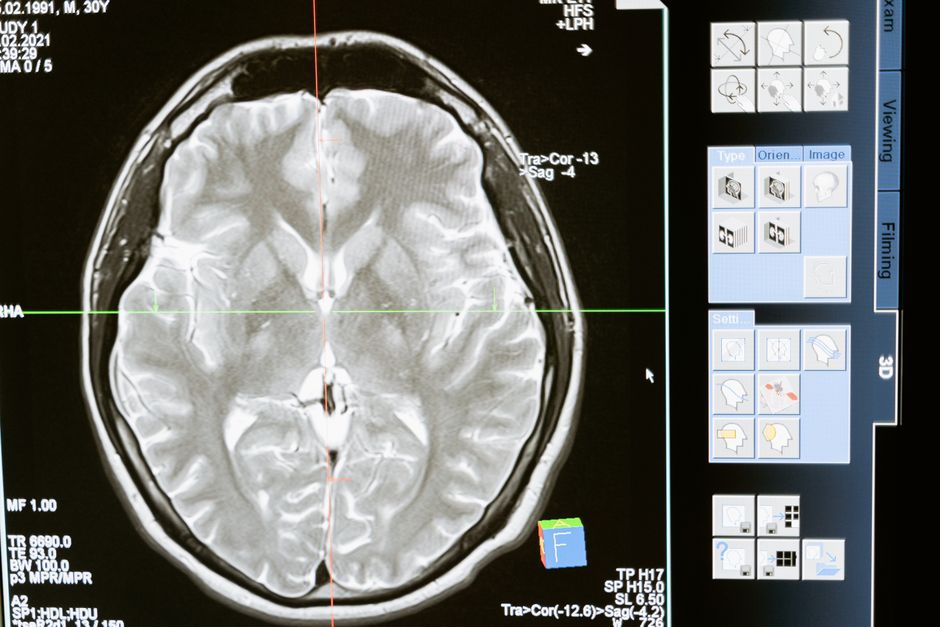
- Neuroscientists have made a breakthrough in understanding how the brain processes language by tracking individual brain cells during conversation in real-time.
- The study reveals the complex mechanisms underlying human communication, with far-reaching implications for language, cognition, and brain understanding.
- Advanced neuroimaging techniques allow researchers to monitor brain activity and identify specific brain cells involved in sentence construction.
- The research shows how the brain builds sentences word by word, influenced by context, syntax, and semantics.
- This study has the potential to revolutionize understanding of language processing and its neural correlates.
Neuroscientists have made a significant breakthrough in understanding how the brain processes language, tracking the electrical activity of individual brain cells during conversation in real-time. This innovative study, published in Nature, provides unprecedented insights into the neural basis of sentence construction, revealing the complex mechanisms underlying human communication. The research has far-reaching implications for our understanding of language, cognition, and the human brain.
Real-Time Brain Activity Tracking

The study employed advanced neuroimaging techniques to monitor the brain activity of participants engaged in conversation, allowing researchers to identify the specific brain cells involved in sentence construction. By analyzing the electrical activity of individual neurons, scientists can now better comprehend how the brain builds sentences, word by word, and how this process is influenced by context, syntax, and semantics. This groundbreaking research has the potential to revolutionize our understanding of language processing and its neural correlates.
A Brief History of Language Processing Research

The quest to understand language processing in the brain has a long and fascinating history, with scientists making significant strides in recent decades. From the early work on language localization in the brain to the development of modern neuroimaging techniques, researchers have continually pushed the boundaries of knowledge. The current study builds upon this foundation, leveraging cutting-edge technology to explore the neural basis of sentence construction in unprecedented detail. By examining the historical context of language processing research, it becomes clear that this breakthrough is the culmination of years of dedicated scientific inquiry.
The Researchers Behind the Breakthrough

The team of neuroscientists responsible for this study comprises experts from various fields, including linguistics, psychology, and neuroscience. Their diverse backgrounds and specialties have enabled them to approach the complex problem of language processing from multiple angles, ultimately leading to this innovative breakthrough. The researchers’ motivations for pursuing this line of inquiry are rooted in a desire to understand the fundamental mechanisms underlying human communication, with the long-term goal of developing more effective treatments for language disorders and improving our understanding of the human brain.
Implications and Future Directions

The discovery of how brain cells build sentences in real-time has significant implications for various stakeholders, including researchers, clinicians, and individuals affected by language disorders. By shedding light on the neural basis of sentence construction, this study opens up new avenues for the development of more effective therapies and interventions. Furthermore, the research has the potential to inform the development of artificial intelligence and natural language processing systems, enabling more sophisticated human-machine communication. As scientists continue to explore the intricacies of language processing, it is likely that this breakthrough will have far-reaching consequences for our understanding of the human brain and its many mysteries.
The Bigger Picture
This breakthrough in language processing research has broader implications for our understanding of human cognition and the complex mechanisms underlying our ability to communicate. By examining the neural basis of sentence construction, scientists can gain insights into the intricate relationships between language, thought, and behavior. The study also highlights the importance of interdisciplinary research, demonstrating how collaboration between experts from diverse fields can lead to innovative breakthroughs. As we continue to explore the intricacies of the human brain, it is essential to consider the broader context and the potential implications of this research for our understanding of human nature and society.
In conclusion, the discovery of how brain cells build sentences in real-time is a significant breakthrough in neuroscience, with far-reaching implications for our understanding of language processing, cognition, and the human brain. As researchers continue to explore the intricacies of language processing, it is likely that this study will have a lasting impact on our understanding of human communication and the complex mechanisms underlying our ability to express ourselves. For more information on this topic, visit the Nature website or explore the latest research on language processing in the brain.
Source: Nature