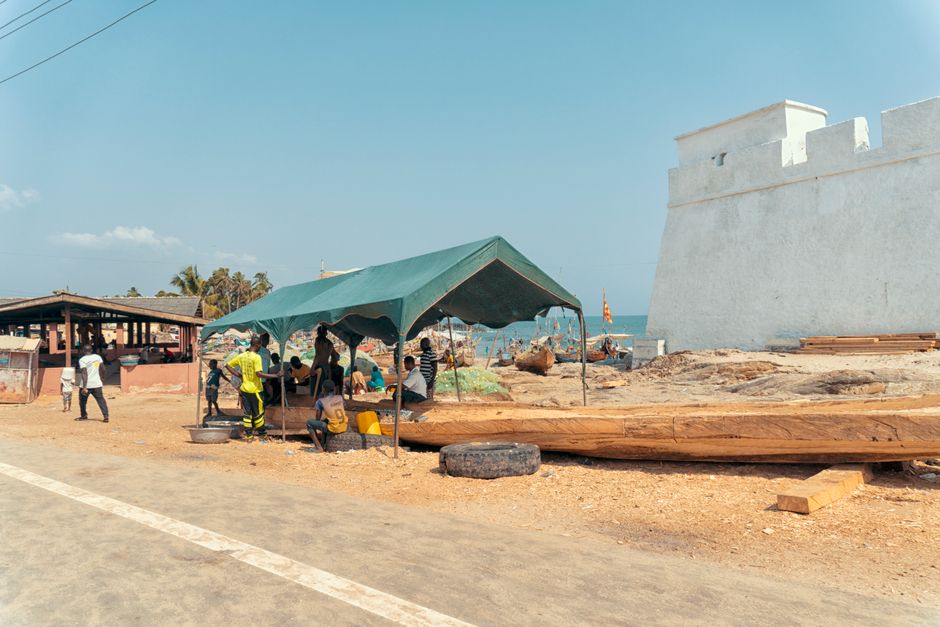
- Ghana is hosting a UN conference to address the legacy of slavery, coinciding with Juneteenth and a reenactment of the slave trade.
- The conference demands reparations for communities affected by the slave trade, sparking a debate about accountability and justice.
- 40 million people worldwide are trapped in modern slavery, with the majority being women and girls.
- Racial and economic disparities persist today due to the historical injustices of the slave trade and systemic racism.
- The median wealth of white families in the US is 12 times that of black families, a result of historical injustices and ongoing systemic racism.
Ghana has been hosting a conference to advance the UN resolution declaring slavery the ‘gravest crime against humanity.’ The conference, which coincided with Juneteenth, a day that commemorates the emancipation of enslaved African Americans, featured a reenactment of the slave trade, highlighting the ongoing legacy of this dark period in human history. As leaders gathered to discuss the way forward, they demanded reparations for the communities affected by the slave trade, sparking a renewed debate about accountability and justice.
Evidence of the Slave Trade’s Enduring Impact

According to the UN, an estimated 40 million people are trapped in modern slavery worldwide, with the majority being women and girls. The legacy of the slave trade can be seen in the persistent racial and economic disparities that exist today. For instance, a report by the United Nations found that the median wealth of white families in the United States is approximately 12 times that of black families. This disparity is a direct result of the historical injustices perpetrated during the slave trade and the ongoing systemic racism that perpetuates it.
Key Players in the Reparations Debate

The conference in Ghana brought together leaders from across the African diaspora, including government officials, activists, and scholars. Prominent figures such as the President of Ghana and the Chair of the African Union Commission were in attendance, underscoring the importance of the issue. These leaders have been instrumental in pushing for reparations and have called on governments and institutions to take concrete steps to address the legacy of the slave trade. For example, the BBC reported that the Ghanaian government has established a committee to explore the possibility of seeking reparations from European countries that were involved in the slave trade.
Trade-Offs in the Pursuit of Reparations

The pursuit of reparations is a complex and contentious issue, with various trade-offs to consider. On one hand, reparations could provide a measure of justice and compensation to the communities affected by the slave trade. On the other hand, the process of seeking reparations could be lengthy and costly, potentially diverting resources away from other important development initiatives. Additionally, there are concerns about how reparations would be distributed and whether they would have a meaningful impact on the lives of those affected. For instance, some argue that reparations could be used to support education and economic development programs, while others believe that they should be used to provide direct compensation to individuals and families.
Timing of the Reparations Debate

The timing of the reparations debate is significant, as it coincides with a growing recognition of the need to address the legacy of the slave trade. The Black Lives Matter movement and other social justice initiatives have brought attention to the ongoing impacts of systemic racism and the need for concrete action to address these issues. The COVID-19 pandemic has also highlighted the disparities in healthcare and economic outcomes that exist between different racial and ethnic groups, underscoring the need for a more equitable and just society. As the world reflects on the legacy of the slave trade, there is a growing sense of urgency and momentum behind the call for reparations.
Where We Go From Here
Looking ahead, there are several possible scenarios for the reparations debate. One scenario is that governments and institutions will begin to take concrete steps towards providing reparations, such as establishing commissions to explore the issue or providing funding for development initiatives. Another scenario is that the debate will stall, with opponents of reparations arguing that they are too costly or impractical. A third scenario is that the reparations debate will become a catalyst for broader conversations about social justice and equality, leading to a more nuanced understanding of the complex issues at play. Ultimately, the path forward will depend on the actions of leaders and the level of engagement and activism from communities around the world.
In conclusion, the conference in Ghana and the reenactment of the slave trade on Juneteenth serve as a reminder of the ongoing legacy of this dark period in human history. As leaders demand reparations and call for action, it is clear that the pursuit of justice and accountability will be a long and complex process, but one that is necessary for creating a more equitable and just society.
Source: Al Jazeera