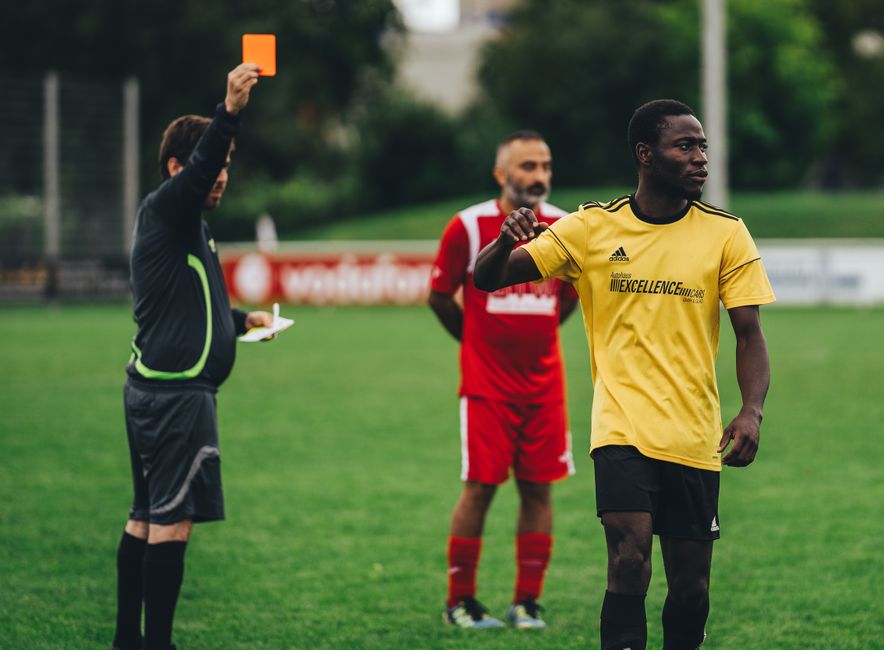
- Miguel Almiron became the first player to receive a red card for covering his mouth while speaking to an opponent during a World Cup match.
- The rule prohibiting players from covering their mouths while communicating with opponents aims to prevent potential insults or offensive language.
- The application of this rule in Almiron’s case has raised questions about its practicality and fairness, especially in high-pressure situations.
- The incident has sparked intense discussion about the rule and its implications for the sport, highlighting the need for clarity.
- The football community continues to evolve, with rules being scrutinized to ensure they serve the best interests of the game.
Miguel Almiron, a Paraguayan footballer, has been handed a historic red card for covering his mouth while speaking to an opponent during a World Cup match against Turkey. This unprecedented sending off has sparked intense discussion about the rule and its implications for the sport. As the first player to receive a red card for this reason, Almiron’s case is being closely watched by fans, players, and officials alike, highlighting the need for clarity on this aspect of the game.
The Rule in Question

The rule that led to Almiron’s sending off is part of a broader effort to improve player conduct and respect during matches. By prohibiting players from covering their mouths while communicating with opponents, the aim is to prevent potential insults or offensive language. However, the application of this rule in Almiron’s case has raised questions about its practicality and fairness, especially in high-pressure situations like the World Cup. As the football community continues to evolve, such rules are under constant scrutiny to ensure they serve the best interests of the game.
Match Details and Reaction

The incident involving Almiron occurred during a heated moment in the match against Turkey, a game that was closely watched by a global audience. The decision by the referee to issue a red card for this specific action has been met with a mix of surprise and curiosity. Reactions from fans and pundits have varied, with some supporting the referee’s strict adherence to the rules and others arguing that the punishment was too harsh. This diversity in opinion reflects the complexity of managing player behavior in real-time, especially in a tournament as prestigious as the World Cup.
Analysis and Implications

The sending off of Almiron for covering his mouth while speaking to an opponent opens up a broader discussion on player conduct, referee discretion, and the rules governing football. It highlights the challenges faced by referees in making split-second decisions that can significantly impact the outcome of a match. Furthermore, it raises questions about the effectiveness of current rules in promoting fair play and respect among players. As football governing bodies continue to refine the sport, incidents like these will play a crucial role in shaping the future of the game.
Impact on the Game

The implications of Almiron’s red card extend beyond the individual match, affecting not only Paraguay’s chances in the tournament but also contributing to a wider conversation about sportsmanship and discipline in football. The incident serves as a reminder of the high standards expected of professional athletes and the constant scrutiny they are under. For players, coaches, and officials, understanding and adapting to the rules and their applications will be key to success in upcoming matches. Fans, too, will be watching closely, eager to see how such incidents influence the trajectory of the World Cup and beyond.
Expert Perspectives
Experts and former players have begun to weigh in on the issue, offering contrasting viewpoints on the fairness and necessity of the rule. Some argue that strict enforcement of such rules is essential for maintaining the integrity of the game, while others believe that referees should exercise more discretion, considering the context and intent behind a player’s actions. These differing perspectives underscore the complexity of balancing discipline with the natural emotions and tensions inherent in competitive sports.
Looking forward, the football community will be watching to see how this incident influences future matches and potential rule changes. The FIFA and other governing bodies may reassess the rule and its application, seeking feedback from players, coaches, and referees to ensure that the rules of the game support its growth and popularity. As the sport continues to evolve, incidents like Almiron’s historic red card will remain pivotal in shaping the discourse around player conduct, referee decisions, and the ever-changing landscape of football.
Source: BBC