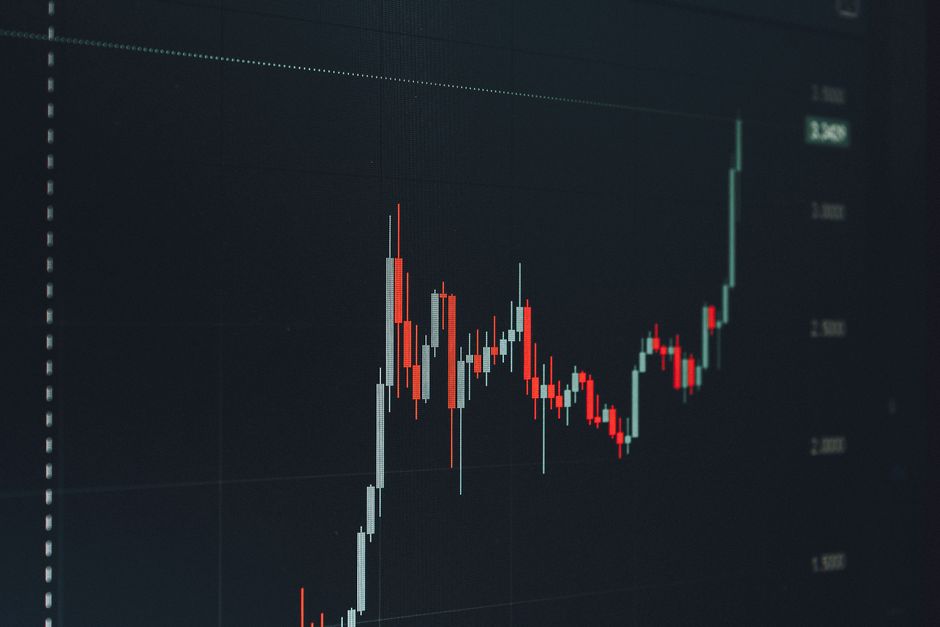
- Oil prices are surging again due to uncertainty surrounding the U.S.-Iran deal, reversing a decline that had been expected.
- The deal’s viability is in question, with recent developments raising doubts about its success.
- Traders are taking notice, causing oil prices to firm up and potentially rise further if the deal collapses.
- The global economy’s fragile state adds to the uncertainty, with implications for oil prices and the broader economy.
- Analysts predict a potentially volatile summer if the deal’s fate remains uncertain.
As the U.S.-Iran deal to end the war faces new tests, oil prices have firmed up, reversing a decline that had been expected to continue. The agreement, which was hailed as a major breakthrough, has shown signs of cracks, giving traders pause and sparking a rebound in oil prices. With the global economy still reeling from the effects of the pandemic, the uncertainty surrounding the deal has significant implications for oil prices and the broader economy.
What’s Behind the Oil Price Rebound?

The oil price rebound can be attributed to the growing uncertainty over the U.S.-Iran deal. The agreement, which was reached after months of tense negotiations, was expected to usher in a new era of peace and stability in the region. However, recent developments have raised doubts about the deal’s viability, and traders are taking notice. As a result, oil prices have firmed up, with some analysts predicting that prices could rise further if the deal collapses. According to a report by the New York Times, the deal’s fate is far from certain, and traders are bracing for a potentially volatile summer.
Supporting Evidence for the Rebound

Data from the oil market supports the notion that the U.S.-Iran deal is facing significant challenges. Oil prices have been steadily rising over the past week, with some benchmarks reaching their highest levels in months. Additionally, traders are increasingly betting on a price rise, with some predicting that prices could reach $100 a barrel by the end of the summer. Quotes from industry insiders, such as the International Energy Agency’s executive director, also suggest that the deal’s collapse could have far-reaching consequences for the global economy. As reported by Reuters, the agency has warned that a price spike could have devastating effects on the global economy, particularly in developing countries.
Counter-Perspectives on the Deal’s Viability

Not everyone is convinced that the U.S.-Iran deal is on the brink of collapse. Some analysts argue that the agreement is still intact and that the current tensions are merely a minor setback. They point to the fact that both sides have a strong incentive to make the deal work, given the significant economic benefits that it promises to bring. However, skeptics counter that the deal’s fragility is a major concern, particularly given the history of tensions between the two countries. As noted by the BBC, the deal’s success is far from guaranteed, and the international community is watching with bated breath.
Real-World Impact of the Deal’s Collapse

The real-world impact of the U.S.-Iran deal’s collapse would be significant. A price spike would have far-reaching consequences for the global economy, particularly in developing countries that rely heavily on oil imports. Additionally, the collapse of the deal would also have significant geopolitical implications, potentially leading to a new era of tensions between the U.S. and Iran. Concrete examples of the deal’s collapse can already be seen, with some countries beginning to stockpile oil in anticipation of a price rise. As reported by the Associated Press, the price spike would have devastating effects on the global economy, particularly in countries that are already struggling to recover from the pandemic.
What This Means For You
The uncertainty surrounding the U.S.-Iran deal has significant implications for consumers. With oil prices expected to rise, the cost of gasoline and other petroleum products is likely to increase, affecting households and businesses alike. As a result, it’s essential to stay informed about the latest developments and to be prepared for a potentially volatile summer. Practical steps that consumers can take include reducing their energy consumption, exploring alternative modes of transportation, and diversifying their investments to mitigate the effects of a price spike.
As the situation continues to unfold, one question remains: what will happen to the U.S.-Iran deal in the coming weeks and months? Will the agreement hold, or will it collapse under the weight of rising tensions? Only time will tell, but one thing is certain: the outcome will have far-reaching consequences for the global economy and the broader geopolitical landscape. As the Guardian notes, the international community is watching with bated breath, eager to see how the situation will unfold.
Source: The New York Times