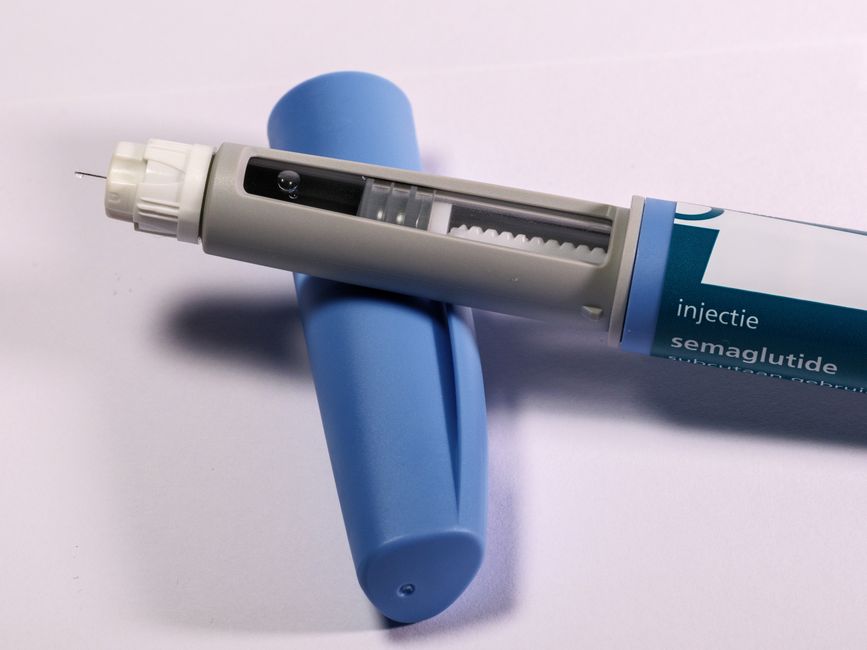
- A study published in Fertility and Sterility suggests that semaglutide may improve fertility in women with polyendocrine metabolic ovarian syndrome (PMOS).
- Semaglutide has been shown to improve ovulation and reduce androgen levels in women with PMOS, leading to improved fertility outcomes.
- The medication’s ability to regulate blood sugar levels and improve insulin sensitivity may contribute to its reproductive benefits.
- Insulin resistance is a major contributor to infertility in women with PMOS, and semaglutide may help address this issue.
- The study’s findings have significant implications for women struggling with infertility due to PMOS.
What if a single medication could improve fertility in women with polyendocrine metabolic ovarian syndrome (PMOS), a condition that affects millions of women worldwide? Researchers at the University of Colorado Anschutz have published a proof-of-concept study in Fertility and Sterility demonstrating that injectable semaglutide may offer meaningful reproductive benefits for women with PMOS, formerly known as polycystic ovary syndrome (PCOS). This breakthrough study has significant implications for women struggling with infertility due to PMOS.
Understanding the Potential of Semaglutide

Semaglutide, an injectable medication, has been shown to have a positive impact on fertility in women with PMOS. The study found that semaglutide improved ovulation and reduced androgen levels in women with PMOS, leading to improved fertility outcomes. According to the researchers, semaglutide’s ability to regulate blood sugar levels and improve insulin sensitivity may be key to its reproductive benefits. As previous studies have shown, insulin resistance is a major contributor to infertility in women with PMOS.
Evidence Supporting the Use of Semaglutide

The study’s findings are supported by data from the University of Colorado Anschutz, which showed that women with PMOS who received semaglutide injections experienced significant improvements in their reproductive health. The researchers noted that semaglutide’s benefits were seen in women with PMOS who had previously struggled with infertility, highlighting the medication’s potential to improve fertility outcomes in this population. As Dr. Erica Eisenman, a researcher at the University of Colorado Anschutz, noted, “The results of this study are promising and suggest that semaglutide may be a valuable treatment option for women with PMOS who are struggling with infertility.” For more information on PMOS and its treatment options, visit the CDC website.
Counter-Perspectives and Limitations

While the study’s findings are promising, some experts have raised concerns about the potential side effects of semaglutide, including nausea and vomiting. Additionally, the study’s small sample size and short duration mean that more research is needed to fully understand the benefits and risks of using semaglutide to improve fertility in women with PMOS. As Dr. Michael Davies, a fertility specialist at the University of California, Los Angeles, noted, “While the results of this study are encouraging, we need to be cautious and ensure that we are not overestimating the benefits of semaglutide or underestimating its potential risks.” For a more in-depth discussion of the study’s limitations, visit the National Institutes of Health website.
Real-World Impact

The potential impact of semaglutide on fertility in women with PMOS cannot be overstated. If semaglutide is proven to be effective in improving fertility outcomes, it could provide a new treatment option for women who have struggled with infertility due to PMOS. This could have significant implications for women’s health and reproductive autonomy, allowing women to make informed decisions about their reproductive choices. As the World Health Organization notes, infertility affects millions of people worldwide, and access to effective treatment options is essential for improving reproductive health outcomes.
What This Means For You
For women with PMOS who are struggling with infertility, the study’s findings offer new hope. While more research is needed to fully understand the benefits and risks of using semaglutide to improve fertility, the potential for this medication to improve reproductive outcomes is significant. Women with PMOS who are interested in learning more about semaglutide and its potential benefits should speak with their healthcare provider to discuss their options and determine if semaglutide may be right for them.
As researchers continue to study the effects of semaglutide on fertility in women with PMOS, what other questions should be explored? How can we ensure that women with PMOS have access to effective treatment options, and what role can semaglutide play in improving reproductive health outcomes? These are just a few of the questions that need to be answered as we move forward in our understanding of PMOS and its treatment options.
Source: MedicalXpress