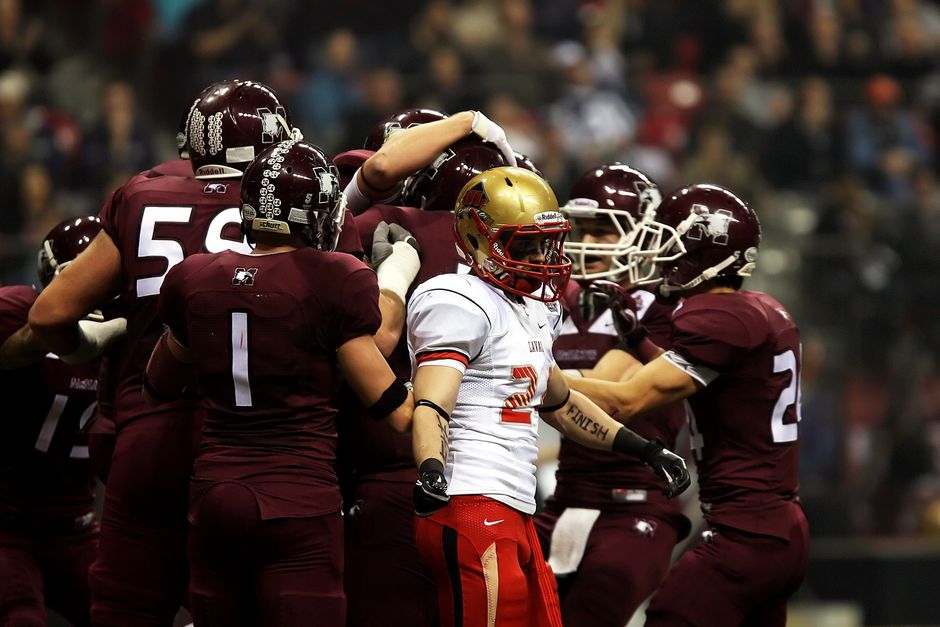
- College football players are suing the NCAA over its restrictions on name, image, and likeness (NIL) payments, citing antitrust law violations.
- The NCAA’s rules prohibit players from receiving compensation for their NIL, stifling their ability to earn a living, and violating their rights.
- Despite growing pressure, the NCAA maintains significant restrictions on NIL payments, which the players argue are unfair and illegal.
- Some states have passed laws allowing players to receive compensation, but the NCAA’s rules still prevail, sparking controversy.
- The lawsuit aims to overturn the NCAA’s restrictions, allowing players to freely earn money from their NIL.
A group of college football players has filed a lawsuit against the National Collegiate Athletic Association (NCAA) over its restrictions on name, image, and likeness (NIL) payments. The lawsuit, which was filed in a federal court, challenges the NCAA’s rules that prohibit players from receiving compensation for their NIL. The players argue that the restrictions violate their rights under antitrust law and stifle their ability to earn a living. The lawsuit is the latest development in the ongoing debate over player compensation in college sports.
Current State of NIL Payments

The NCAA has long prohibited players from receiving compensation for their NIL, citing concerns that it could lead to corruption and undermine the amateur status of college sports. However, in recent years, there has been growing pressure to allow players to earn money from their NIL. Some states have passed laws that permit players to receive compensation, and the NCAA has begun to relax its rules. Despite these changes, the NCAA still maintains significant restrictions on NIL payments, which the players argue are unfair and illegal. The lawsuit seeks to overturn these restrictions and allow players to freely earn money from their NIL.
History of the NCAA’s NIL Restrictions

The NCAA’s restrictions on NIL payments date back to the early 20th century, when the organization was first established. At the time, the NCAA was concerned that player compensation could lead to corruption and undermine the integrity of college sports. Over the years, the NCAA has maintained its restrictions, despite growing criticism that they are unfair and outdated. In recent years, the NCAA has faced numerous lawsuits and challenges to its rules, including a landmark Supreme Court case that ruled that the NCAA’s restrictions on player compensation violate antitrust law. The current lawsuit is the latest challenge to the NCAA’s NIL restrictions and could have significant implications for the future of college sports.
Key Players Involved

The lawsuit was filed by a group of college football players, including several high-profile athletes. The players are being represented by a team of lawyers who specialize in antitrust law and sports law. The NCAA is expected to vigorously defend its rules and argue that they are necessary to maintain the integrity of college sports. The lawsuit is also being closely watched by other stakeholders, including coaches, athletic directors, and university administrators. The outcome of the lawsuit could have significant implications for the future of college sports and the way that players are compensated.
Consequences of the Lawsuit

The lawsuit could have significant consequences for the NCAA and college sports as a whole. If the players are successful, it could lead to a major overhaul of the NCAA’s rules on NIL payments and allow players to freely earn money from their NIL. This could have significant implications for the way that college sports are operated and could lead to increased compensation for players. On the other hand, if the NCAA is successful, it could maintain its restrictions on NIL payments and continue to prohibit players from earning money from their NIL. The outcome of the lawsuit is uncertain and will depend on the court’s interpretation of antitrust law and the NCAA’s rules.
The Bigger Picture
The lawsuit is part of a larger debate over player compensation in college sports. The NCAA has long been criticized for its restrictions on player compensation, which many argue are unfair and outdated. The lawsuit is the latest challenge to the NCAA’s rules and could have significant implications for the future of college sports. As the New York Times has reported, the debate over player compensation is complex and multifaceted, with different stakeholders having different opinions on the issue. The outcome of the lawsuit will depend on the court’s interpretation of antitrust law and the NCAA’s rules, but it is clear that the debate over player compensation will continue to be a major issue in college sports.
The outcome of the lawsuit will be closely watched by stakeholders in college sports, including players, coaches, and university administrators. As NCAA.org has noted, the organization is committed to maintaining the integrity of college sports, but it is also facing growing pressure to allow players to earn money from their NIL. The lawsuit is a significant development in the ongoing debate over player compensation and could have major implications for the future of college sports. As the case moves forward, it will be important to watch for developments and see how the court ultimately rules on the issue.
Source: Reddit