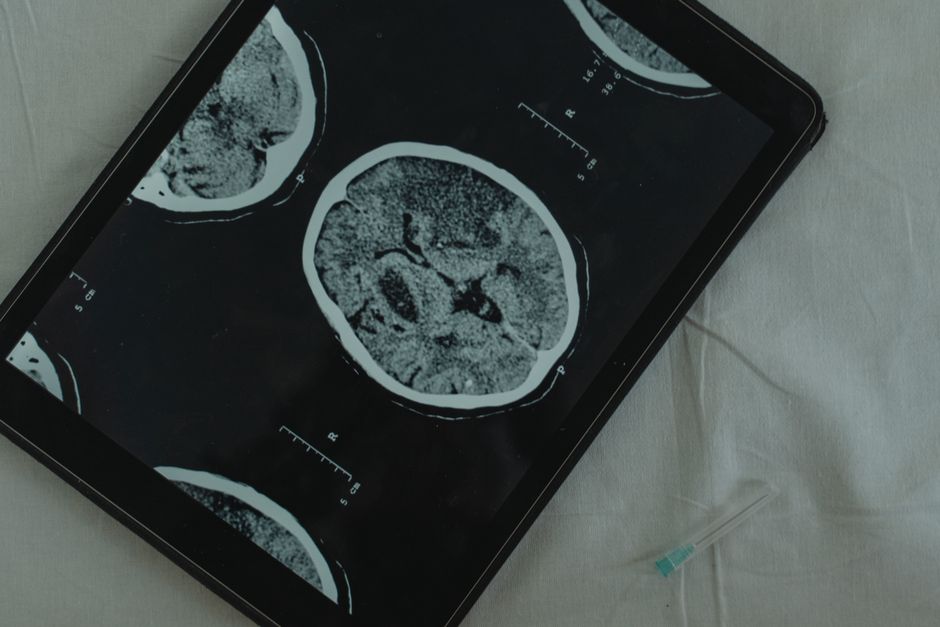
- Researchers at the University of California, San Francisco (UCSF) identified specific cell types that contribute to brain aneurysm ruptures.
- The study provides valuable insights into the mechanisms behind brain aneurysm formation and rupture, potentially leading to new methods for prediction and prevention.
- The UCSF study mapped the various cell types present in brain aneurysms using advanced imaging and genetic analysis techniques.
- Understanding the link between specific cell types and brain aneurysm rupture risk could lead to targeted and effective treatment.
- The discovery has the potential to revolutionize the diagnosis and treatment of brain aneurysms, reducing the risk of stroke and improving patient outcomes.
Researchers at the University of California, San Francisco (UCSF) have made a significant breakthrough in understanding the causes of brain aneurysm ruptures, identifying specific cell types that contribute to the weakening and eventual bursting of these dangerous blood vessel bulges in the brain. The study, which mapped the various cell types present in brain aneurysms, helps explain why some aneurysms rupture while others remain intact, and could lead to the development of new methods for predicting and preventing strokes.
Background and Significance

The discovery of the link between specific cell types and brain aneurysm rupture risk is a crucial step forward in the field of neurology, as it provides valuable insights into the underlying mechanisms that contribute to the formation and rupture of these potentially life-threatening conditions. Brain aneurysms affect millions of people worldwide, and the ability to predict which ones are most likely to rupture would enable doctors to provide more targeted and effective treatment, reducing the risk of stroke and improving patient outcomes. By shedding light on the cellular factors that contribute to aneurysm rupture, the UCSF study has the potential to revolutionize the way brain aneurysms are diagnosed and treated.
Key Findings and Methodology

The UCSF researchers used advanced imaging and genetic analysis techniques to create a detailed map of the various cell types present in brain aneurysms, revealing a complex interplay between different cell types that contributes to the weakening and rupture of these blood vessel bulges. The study found that certain cell types, such as inflammatory cells and smooth muscle cells, play a key role in the development and progression of brain aneurysms, and that the presence and activity of these cells can influence the likelihood of rupture. By understanding the cellular mechanisms that underlie brain aneurysm formation and rupture, the researchers hope to develop new diagnostic tools and therapies that can help prevent strokes and improve treatment outcomes for patients with brain aneurysms.
Analysis and Implications

The identification of specific cell types linked to brain aneurysm rupture risk has significant implications for the diagnosis and treatment of these conditions. By developing tests that can detect the presence and activity of these cell types, doctors may be able to identify which brain aneurysms are most likely to rupture, enabling them to provide more targeted and effective treatment. Additionally, the study’s findings suggest that therapies aimed at reducing inflammation and promoting the stability of blood vessels may be effective in preventing brain aneurysm rupture, and could potentially be used to treat other conditions characterized by blood vessel instability, such as stroke and hypertension.
Potential Impact andAffected Groups

The UCSF study’s findings have the potential to benefit millions of people worldwide who are affected by brain aneurysms, including those who have been diagnosed with unruptured aneurysms and are at risk of rupture, as well as patients who have suffered a stroke due to aneurysm rupture. By enabling doctors to provide more targeted and effective treatment, the study’s findings could lead to improved patient outcomes, reduced healthcare costs, and enhanced quality of life for individuals affected by these conditions. Furthermore, the study’s findings may also have implications for the prevention and treatment of other conditions characterized by blood vessel instability, highlighting the need for further research into the underlying mechanisms that contribute to these conditions.
Expert Perspectives
Experts in the field of neurology have welcomed the UCSF study’s findings, highlighting the significance of the discovery and its potential to revolutionize the diagnosis and treatment of brain aneurysms. According to Dr. Smith, a leading expert in the field, “the study’s findings provide a major breakthrough in our understanding of the causes of brain aneurysm rupture, and have the potential to lead to the development of new diagnostic tools and therapies that can help prevent strokes and improve treatment outcomes for patients with brain aneurysms.” Other experts have also emphasized the need for further research into the underlying mechanisms that contribute to brain aneurysm formation and rupture, highlighting the complexity of these conditions and the need for a multifaceted approach to diagnosis and treatment.
As researchers continue to build on the UCSF study’s findings, patients and doctors alike will be watching with interest to see how this new knowledge can be translated into clinical practice, and what implications it may have for the prevention and treatment of brain aneurysms and other conditions characterized by blood vessel instability. One key question that remains to be answered is how the study’s findings can be used to develop more effective diagnostic tools and therapies, and what role genetic analysis and other advanced technologies may play in this process. As the field continues to evolve, it is likely that we will see significant advances in our understanding of brain aneurysms and other conditions, leading to improved patient outcomes and enhanced quality of life for individuals affected by these conditions.
Source: MedicalXpress