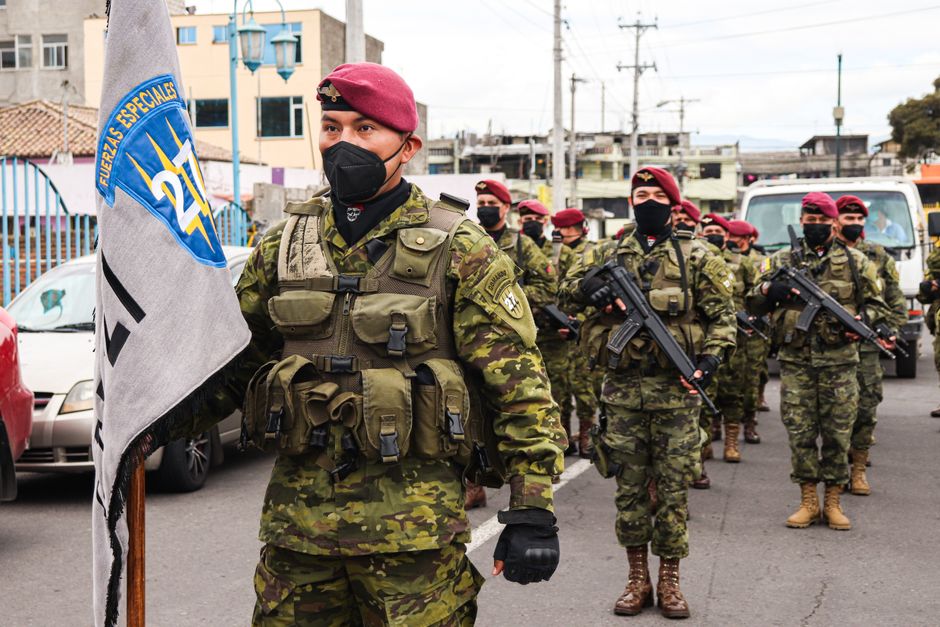
- Bolivia’s government has approved military measures to quell nationwide protests demanding political and economic reforms.
- The move is likely to exacerbate tensions between the government and protesters, who have been clashing with security forces.
- Human rights groups have condemned the decision, warning it could lead to further violence and human rights abuses.
- The protests began in response to economic hardship, political repression, and corruption, which have fueled widespread discontent.
- The military measures are expected to include deployments to protest hotspots and the use of force to disperse demonstrators.
Bolivia’s government has approved military measures to quell nationwide protests that have been ongoing for weeks, sparking concern among human rights groups and opposition leaders. The decision, announced by the Bolivian government, marks a significant escalation in the country’s response to the protests, which have been demanding political and economic reforms. The move is likely to exacerbate tensions between the government and protesters, who have been clashing with security forces in several cities across the country.
Current Situation

The protests, which began in response to a range of grievances including economic hardship and political repression, have been gaining momentum in recent weeks. Despite efforts by the government to negotiate with protest leaders, the demonstrations have continued, with protesters blocking roads and occupying public buildings. The military measures approved by the government are likely to include the deployment of troops to protest hotspots and the use of force to disperse demonstrators. The move has been condemned by human rights groups, who warn that it could lead to further violence and human rights abuses.
Background to the Crisis

The current crisis in Bolivia has its roots in a long-standing political and economic crisis that has been simmering for years. The country has been plagued by corruption, inequality, and political repression, which have fueled widespread discontent among the population. The protests that are currently underway are the latest manifestation of this discontent, and reflect a deep-seated frustration among Bolivians with the government’s failure to address their grievances. The government’s decision to approve military measures against the protests is likely to be seen as a further provocation by protesters, who are demanding meaningful reforms and an end to repression.
Key Players

The Bolivian government, led by President Luis Arce, has been the main target of the protests, with demonstrators accusing the administration of corruption, authoritarianism, and economic mismanagement. The government has responded to the protests with a mix of repression and negotiation, but its decision to approve military measures is likely to be seen as a significant escalation. Opposition leaders, including former President Jeanine Áñez, have condemned the government’s move, warning that it could lead to further violence and instability. Human rights groups, including Human Rights Watch, have also spoken out against the government’s decision, calling for restraint and respect for protesters’ rights.
Consequences

The consequences of the Bolivian government’s decision to approve military measures against the protests are likely to be far-reaching. The move could lead to further violence and human rights abuses, as well as a deepening of the political and economic crisis that has been plaguing the country. The protests are also likely to continue, with demonstrators digging in for a long haul. The international community, including organizations such as the Organization of American States, has a critical role to play in promoting a peaceful resolution to the crisis and respecting the rights of protesters.
The Bigger Picture
The crisis in Bolivia is part of a broader pattern of political and economic instability that is affecting many countries in the region. The protests in Bolivia reflect a deep-seated frustration among citizens with corruption, inequality, and political repression, and are likely to be seen as a warning sign for other governments in the region. The international community has a critical role to play in promoting democracy, human rights, and economic development in Bolivia and beyond, and in supporting the rights of citizens to protest and demand change.
The situation in Bolivia is likely to continue to deteriorate in the coming days and weeks, with the government’s decision to approve military measures against the protests marking a significant escalation. As the crisis deepens, it is essential that the international community remains vigilant and continues to speak out against human rights abuses and in support of protesters’ rights. The people of Bolivia deserve a peaceful and democratic resolution to the crisis, and it is up to the government and the international community to ensure that this happens.
Source: Al Jazeera