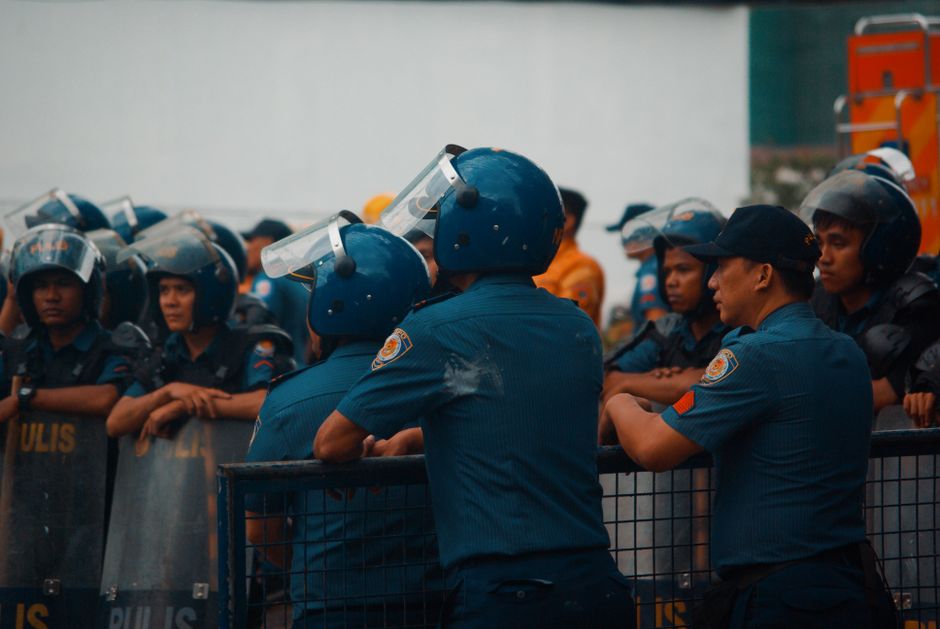
- Violence erupted in Belfast after a stabbing attack sparked widespread unrest and sectarian tensions.
- At least five people, including two police officers, were injured in the violence.
- The incident has raised concerns about the fragile peace in Northern Ireland.
- Rioters set fire to vehicles and buildings, and clashed with police in response to the stabbing attack.
- Politicians from across the spectrum have condemned the violence and called for calm and restraint.
Belfast, the capital of Northern Ireland, was gripped by a night of violence after a stabbing attack sparked widespread unrest, with cars and a bus set on fire and families driven from their homes. The incident occurred on June 10, 2026, and has raised concerns about the fragile peace in the region. The stabbing attack has been linked to ongoing sectarian tensions, which have been simmering beneath the surface in recent years.
Evidence of Escalating Tensions

According to reports from the New York Times, the violence began after a stabbing attack in a predominantly nationalist area of the city. The attack sparked a wave of retaliation, with rioters setting fire to vehicles and buildings, and clashing with police. The BBC reported that at least five people were injured in the violence, including two police officers. The incident has been condemned by politicians from across the spectrum, who have called for calm and restraint.
Key Players and Their Roles

The key players in the crisis include the Northern Ireland government, the police, and community leaders. The Northern Ireland Secretary has urged calm and restraint, while the police have pledged to do everything in their power to restore order. Community leaders have also been working to reduce tensions, with some calling for an end to the violence and others urging their followers to remain calm. The role of paramilitary groups has also been questioned, with some accusing them of fueling the violence. The situation is complex, with multiple factors at play, including sectarian tensions, poverty, and lack of opportunities.
Trade-Offs and Consequences

The violence in Belfast has significant trade-offs and consequences, both for the local community and for the wider region. The most immediate concern is the risk of further violence and instability, which could have a devastating impact on the local economy and community. There are also concerns about the potential for the violence to spread to other parts of Northern Ireland, which could have far-reaching consequences for the region as a whole. Furthermore, the violence has raised questions about the effectiveness of the Good Friday Agreement, which was intended to bring an end to sectarian violence in the region. The agreement has been credited with reducing violence, but the recent unrest has highlighted the need for ongoing efforts to address the underlying causes of the conflict.
Timing and Triggers

The timing of the violence is significant, coming as it does against a backdrop of rising tensions in the region. The stalemate in Brexit negotiations has created uncertainty and instability, which has been exacerbated by the Covid-19 pandemic. The pandemic has had a disproportionate impact on disadvantaged communities, which has further fueled tensions. The stabbing attack was the trigger that set off the violence, but it is clear that the underlying causes are more complex and deeply rooted. The situation is a reminder that the peace process in Northern Ireland is still fragile and requires ongoing effort and commitment to maintain.
Where We Go From Here
Looking ahead to the next 6-12 months, there are several possible scenarios for the region. One possibility is that the violence will subside, and the community will come together to rebuild and restore calm. Another possibility is that the violence will escalate, leading to further instability and conflict. A third possibility is that the violence will spread to other parts of Northern Ireland, leading to a wider crisis. In any case, it is clear that the situation requires careful management and a commitment to finding a long-term solution to the underlying causes of the conflict. The international community has a role to play in supporting the peace process, and organizations such as the World Health Organization and the Nature can provide valuable expertise and resources.
Bottom line: the night of violence in Belfast is a stark reminder of the ongoing challenges facing the region, and the need for sustained effort and commitment to maintaining peace and stability. The situation is complex, and there are no easy solutions, but it is clear that the international community has a role to play in supporting the peace process and promoting a lasting resolution to the conflict.
Source: The New York Times