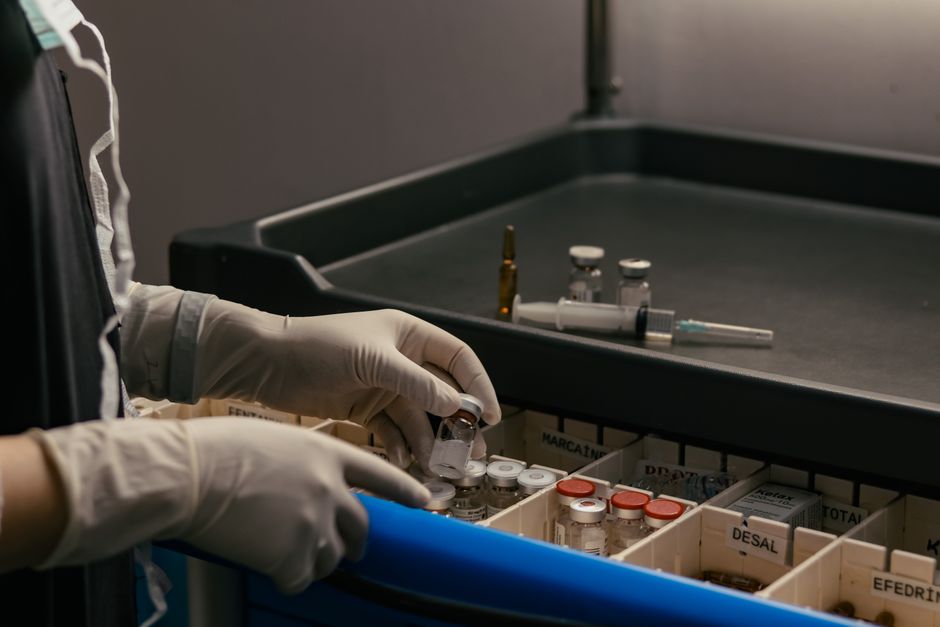
- A Tennessee nurse was caught stealing fentanyl, highlighting drug diversion risks in healthcare.
- Erlanger Baroness hospital’s AI monitoring system failed to detect the nurse’s actions.
- Fentanyl theft is a significant concern in healthcare, contributing to the opioid epidemic.
- AI and technology adoption in healthcare is not foolproof against drug diversion incidents.
- The effectiveness of AI in preventing drug diversion will likely face increased scrutiny.
A Tennessee nurse at Erlanger Baroness hospital in Chattanooga stole fentanyl, a powerful opioid, while on duty in the surgery center, according to a consent order from the Tennessee Board of Nursing. The incident, which occurred about a year ago, was discovered when anesthesia staff noticed the nurse slurring his words and struggling to stay awake. The nurse’s actions went undetected by the hospital’s AI monitoring system, raising questions about the effectiveness of artificial intelligence in preventing drug diversion in healthcare settings.
Background on Fentanyl Theft in Healthcare

The theft of fentanyl and other controlled substances is a significant concern in healthcare, with the Centers for Disease Control and Prevention (CDC) reporting that drug diversion is a major factor in the opioid epidemic. The use of AI and other technologies to monitor and prevent drug diversion has been increasingly adopted by hospitals, but the incident at Erlanger Baroness highlights the limitations of these systems. As the healthcare industry continues to grapple with the challenges of drug diversion, the role of AI in preventing these incidents will likely come under increased scrutiny.
Key Details of the Incident

According to the Tennessee Board of Nursing consent order, the nurse in question was working in the surgery center at Erlanger Baroness when anesthesia staff noticed that he was slurring his words and struggling to stay awake. An investigation was launched, and it was discovered that the nurse had been stealing fentanyl from the hospital’s supply. The incident is a concerning example of how drug diversion can occur in healthcare settings, even with AI monitoring in place. The hospital has since taken steps to address the incident and prevent similar occurrences in the future.
Analysis of AI Monitoring in Healthcare

The failure of AI monitoring to detect the fentanyl theft at Erlanger Baroness raises important questions about the effectiveness of these systems in preventing drug diversion. While AI can be a powerful tool in monitoring and analyzing data, it is not a foolproof solution. The incident highlights the need for hospitals to implement a multi-layered approach to preventing drug diversion, including regular audits, employee screening, and education. As the use of AI in healthcare continues to grow, it is essential that hospitals and healthcare organizations carefully evaluate the limitations and potential biases of these systems.
Implications of the Incident

The incident at Erlanger Baroness has significant implications for patient safety and the prevention of drug diversion in healthcare settings. The theft of fentanyl and other controlled substances can have serious consequences, including overdose and death. The incident also highlights the need for increased vigilance and monitoring of healthcare workers who have access to controlled substances. As the healthcare industry continues to evolve, it is essential that hospitals and healthcare organizations prioritize the prevention of drug diversion and ensure that patients receive safe and effective care.
Expert Perspectives
Experts in the field of healthcare and AI agree that the incident at Erlanger Baroness highlights the need for a more nuanced approach to preventing drug diversion. “While AI can be a powerful tool in monitoring and analyzing data, it is not a replacement for human vigilance and oversight,” said Dr. CDC expert. “Hospitals and healthcare organizations must implement a multi-layered approach to preventing drug diversion, including regular audits, employee screening, and education.”
As the incident at Erlanger Baroness continues to unfold, it is likely that there will be increased scrutiny of AI monitoring in healthcare settings. The use of AI in healthcare has the potential to improve patient outcomes and prevent drug diversion, but it is essential that hospitals and healthcare organizations carefully evaluate the limitations and potential biases of these systems. Moving forward, it will be important to watch how hospitals and healthcare organizations respond to the incident and implement new measures to prevent drug diversion and ensure patient safety.
Source: MedicalXpress