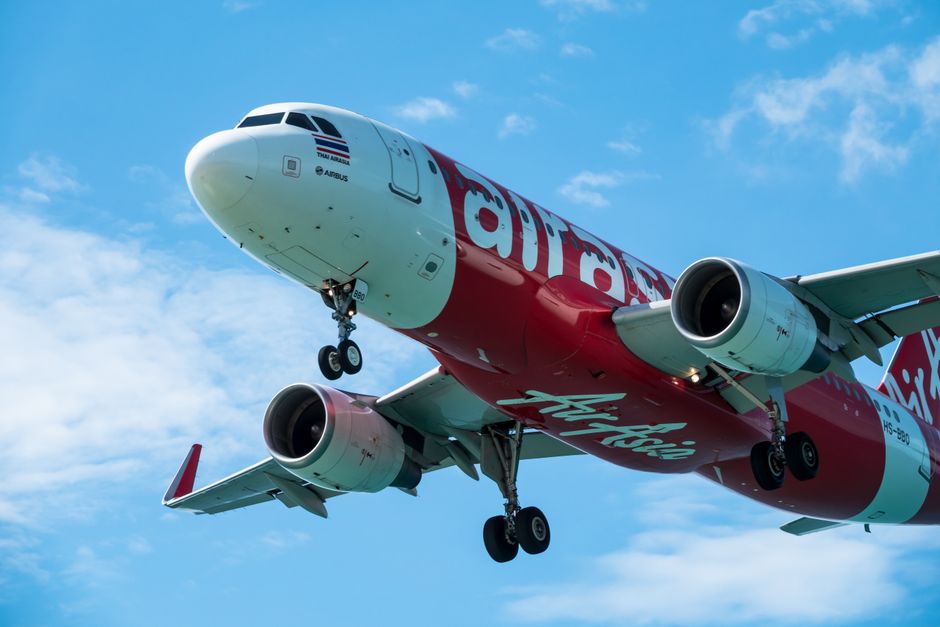
- Airfares have surged 27% this summer, driven by soaring fuel costs.
- Travelers are facing record-high flight prices, as well as increased costs for accommodations and activities.
- The 27% increase in airfares outpaces the overall inflation rate, making summer travel more expensive.
- The rise in travel costs is affecting the tourism industry, with potential declines in visitor numbers.
- Despite the increased costs, many travelers remain committed to taking their summer vacations.
Americans are facing a significant increase in travel costs this summer, with airfares rising by 27 percent from the same time last year, according to the latest inflation data. This surge in prices is expected to impact millions of travelers planning to take to the skies during the peak summer season. The main culprit behind this increase is the soaring cost of fuel, which has been driven up by global events and supply chain disruptions. As a result, travelers are having to dig deeper into their pockets to afford their summer getaways.
Current State of Summer Travel

The current situation for summer travel is bleak, with airfares reaching record highs. The 27 percent increase in airfares is the largest jump in recent years, outpacing the overall inflation rate. This means that travelers are not only paying more for their flights but also facing higher costs for accommodations, food, and activities. The rise in travel costs is also affecting the tourism industry, with many destinations bracing for a potential decline in visitor numbers. Despite this, many travelers are still committed to taking their summer vacations, albeit with a tighter budget. For more information on the current state of the economy, visit the New York Times website.
Historical Context of Travel Costs

The story behind the rising travel costs is complex and multifaceted. In recent years, the travel industry has experienced a surge in demand, driven by the rise of budget airlines and the increasing popularity of international travel. However, this demand has been accompanied by a range of external factors, including global events, supply chain disruptions, and environmental concerns. The COVID-19 pandemic, in particular, had a devastating impact on the travel industry, with many airlines and travel companies facing significant losses. As the industry recovers, airlines are looking to recoup their losses by increasing prices, which is being felt by travelers. For a detailed analysis of the travel industry, visit the Reuters website.
Key Players in the Travel Industry

The key players in the travel industry, including airlines, travel companies, and tourism boards, are all playing a crucial role in shaping the current landscape. Airlines, in particular, are under pressure to balance their need to increase revenues with the need to keep prices competitive. Many airlines are responding to the surge in demand by increasing capacity, adding new routes, and improving their services. However, this is being offset by the rising cost of fuel, which is eating into their profit margins. Travel companies and tourism boards are also feeling the pinch, with many destinations struggling to compete with the rising costs of travel. As the summer season gets underway, these key players will be watching closely to see how travelers respond to the higher prices.
Consequences for Travelers and the Industry

The consequences of the rising travel costs will be far-reaching, affecting not only travelers but also the wider economy. For travelers, the higher prices will mean having to make tough choices about their summer vacations, with many opting for shorter trips or staying closer to home. The tourism industry will also feel the impact, with many destinations experiencing a decline in visitor numbers. This, in turn, will have a ripple effect on local economies, with businesses that rely on tourism facing a potential decline in revenues. As the travel industry adapts to the new reality, it will be important for travelers and industry stakeholders to work together to find solutions that balance the need for affordable travel with the need for sustainable and responsible tourism practices.
The Bigger Picture
The rising travel costs are part of a broader trend of increasing prices and inflation, which is affecting many aspects of life. As the global economy continues to recover from the COVID-19 pandemic, many industries are facing challenges in terms of supply chain disruptions, labor shortages, and rising costs. The travel industry is not immune to these challenges, and the rising costs of travel are a symptom of a wider problem. As travelers and industry stakeholders navigate this new reality, it will be important to consider the broader context and the potential long-term implications of the rising travel costs. For more information on the global economy, visit the BBC website.
As the summer season gets underway, travelers and industry stakeholders will be watching closely to see how the rising travel costs play out. While the higher prices will undoubtedly be a challenge, many travelers are still committed to taking their summer vacations. As the industry adapts to the new reality, it will be important to find solutions that balance the need for affordable travel with the need for sustainable and responsible tourism practices. One thing is certain, however: the rising travel costs will be a major story to watch in the coming months, with significant implications for travelers, the industry, and the wider economy.
Source: The New York Times