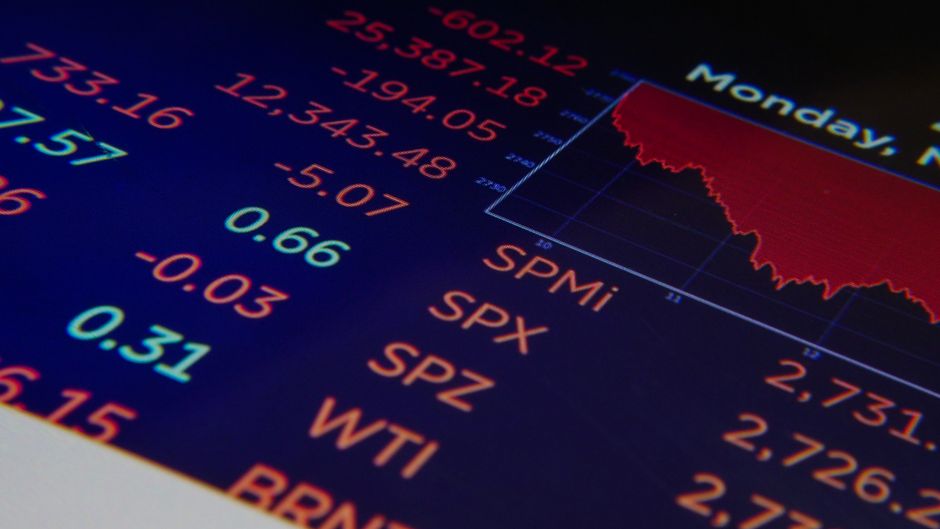
- Global markets plummeted 8% in a single day due to Middle East unrest.
- Oil prices surged 10% as attacks targeted key energy infrastructure.
- The Iran-US cease-fire has been strained, raising fears of further escalation.
- The Middle East is a critical region for global energy supplies, with significant producers at risk.
- Market volatility is driven by complex geopolitical tensions and economic interests in the region.
The recent wave of strikes across the Middle East has sent shockwaves through global markets, with US stocks plummeting 8% and oil prices surging 10% in a single day. The attacks, which targeted key energy infrastructure, have strained the already fragile two-month cease-fire between Iran and the United States, leaving investors and analysts wondering what’s next for the region and the global economy. As the situation continues to unfold, one thing is clear: the latest escalation has significant implications for global markets and energy prices, making it a critical issue for readers to stay informed about.
What’s Behind the Market Volatility?

The answer lies in the complex web of geopolitical tensions and economic interests at play in the Middle East. The region is home to some of the world’s most significant oil producers, and any disruption to energy production or transportation can have far-reaching consequences for global markets. The latest strikes, which were reportedly carried out by Iranian-backed militias, have targeted key energy infrastructure, including oil refineries and pipelines, raising concerns about the stability of global energy supplies. As reported by the New York Times, the attacks have strained the Iran-US cease-fire, which had been in place for two months, and have raised fears of further escalation.
Supporting Evidence from Market Data and Expert Analysis

A closer look at market data and expert analysis reveals the extent of the damage. According to Reuters, oil prices have surged 10% in the past 24 hours, with Brent crude reaching $120 per barrel, its highest level in months. Meanwhile, stock markets have plummeted, with the Dow Jones Industrial Average falling 8% in a single day. Experts warn that the situation could worsen if the conflict escalates further, with potential consequences for global economic growth and stability. As one analyst noted, “The latest attacks have raised concerns about the stability of global energy supplies, and investors are rightly nervous about the potential impact on the global economy.”
Counter-Perspectives and Skeptical Views

Not everyone is convinced that the situation will escalate further, however. Some analysts argue that the cease-fire between Iran and the US is still holding, despite the latest attacks, and that the situation can be brought under control through diplomatic efforts. Others point out that the global economy is more resilient than it was during previous periods of conflict, and that the impact of the latest escalation may be limited. However, as BBC News reports, the situation remains highly uncertain, and investors are advised to exercise caution. Skeptics also argue that the market reaction may be overblown, and that the fundamental drivers of the global economy remain strong.
Real-World Impact on Energy Prices and Global Trade

The real-world impact of the latest escalation is already being felt, with energy prices soaring and global trade disrupted. The surge in oil prices has raised concerns about the cost of living and economic growth, particularly in countries that rely heavily on imported energy. Meanwhile, the disruption to global trade has raised fears about the stability of supply chains and the potential for shortages of key goods. As the situation continues to unfold, it’s clear that the latest escalation has significant implications for the global economy and energy markets, making it essential for readers to stay informed about the latest developments.
What This Means For You
So what does the latest escalation mean for you? If you’re an investor, it’s essential to exercise caution and diversify your portfolio to minimize exposure to market volatility. If you’re a consumer, be prepared for potential price increases and disruptions to supply chains. Ultimately, the situation highlights the importance of staying informed about global events and their potential impact on the economy and energy markets. As the situation continues to unfold, it’s crucial to stay up-to-date with the latest developments and to be prepared for any eventuality.
As the conflict in the Middle East continues to evolve, one question remains: what’s next for the region and the global economy? Will the cease-fire hold, or will the situation escalate further? Only time will tell, but one thing is clear: the latest escalation has significant implications for global markets and energy prices, making it a critical issue for readers to stay informed about. As the situation continues to unfold, we’ll be keeping a close eye on developments and providing updates and analysis to help you make sense of the complex and rapidly changing landscape.
Source: The New York Times