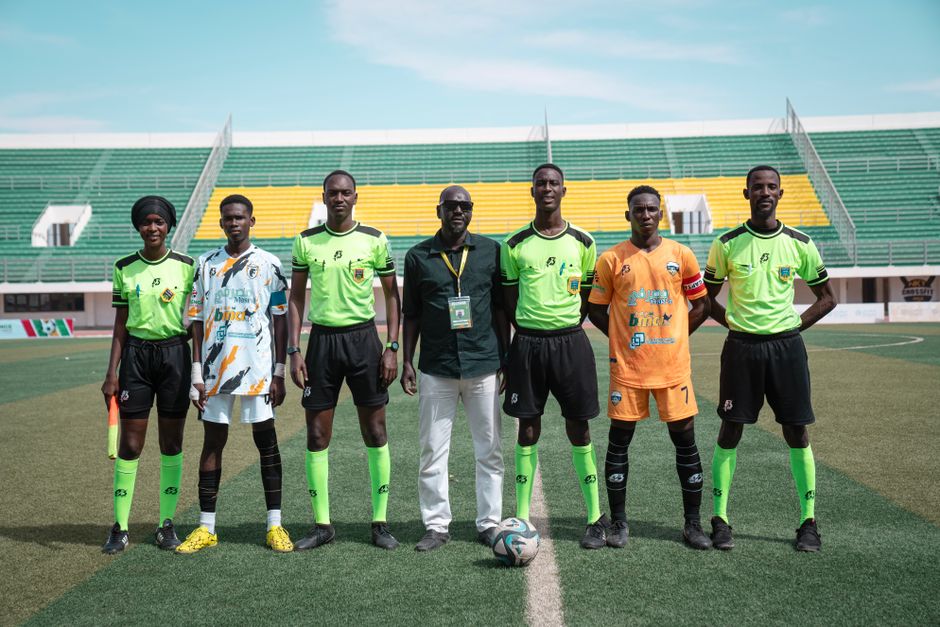
- Somali referee Omar Artan was denied entry to the US to officiate at the World Cup, sparking outrage and support.
- The incident highlights the politicization of sports and the challenges faced by officials from certain countries.
- The World Cup is a global event that requires greater diplomacy and cooperation to ensure fair and smooth conduct.
- The denial of entry raises questions about the criteria used to determine eligibility and potential biases.
- Omar Artan has vowed to officiate at the 2030 World Cup despite the setback.
Somali referee Omar Artan has arrived home to a hero’s welcome after being denied entry to the US, where he was set to officiate at the World Cup. Artan, who has vowed to officiate at the 2030 tournament instead, was banned from entering the US due to his role in the prestigious football event. The incident has sparked widespread outrage and support for the Somali referee, with many calling for greater understanding and cooperation between nations.
Background and Context

The World Cup is one of the most widely viewed and followed sporting events globally, with referees playing a crucial role in ensuring the smooth and fair conduct of matches. However, the denial of entry to a qualified referee like Omar Artan raises questions about the politicization of sports and the challenges faced by officials from certain countries. As the world becomes increasingly interconnected, such incidents highlight the need for greater diplomacy and cooperation to overcome bureaucratic hurdles and ensure that talented individuals can contribute to their fields without unnecessary obstacles.
The Incident and Aftermath

Omar Artan’s denial of entry to the US has been met with widespread criticism and support for the Somali referee. The incident has sparked a debate about the criteria used to determine entry eligibility and the potential biases that may influence such decisions. Artan has expressed his disappointment and frustration but has also vowed to continue pursuing his passion for refereeing, with his sights set on the 2030 World Cup. The Somali government and football association have also come out in support of Artan, calling for greater recognition and respect for the country’s sporting talents.
Analysis and Implications

The denial of entry to Omar Artan has significant implications for the world of sports, particularly in terms of the participation of officials from developing countries. The incident highlights the challenges faced by talented individuals from countries with limited diplomatic influence and the need for greater support and recognition from the international community. Furthermore, the incident raises questions about the potential consequences of politicizing sports, including the impact on the integrity and fairness of competitions. As the world becomes increasingly interconnected, it is essential to address these challenges and ensure that sports remain a unifying force that brings people together, regardless of their nationality or background.
Global Reactions and Support

The incident has sparked a wave of support for Omar Artan, with many calling for greater recognition and respect for the Somali referee. The international football community has come out in solidarity with Artan, with many officials and players expressing their admiration for his dedication and perseverance. The incident has also highlighted the importance of FIFA and other international sporting organizations in promoting fairness, equality, and opportunities for officials from all backgrounds. As the world of sports continues to evolve, it is essential to address the challenges faced by talented individuals like Omar Artan and ensure that they can contribute to their fields without unnecessary obstacles.
Expert Perspectives
Experts in the field of sports diplomacy have weighed in on the incident, highlighting the need for greater cooperation and understanding between nations. According to BBC Sport, the incident has sparked a debate about the role of sports in promoting diplomacy and cooperation between countries. Many experts believe that sports can play a significant role in bridging cultural and diplomatic divides, but incidents like the denial of entry to Omar Artan highlight the challenges that remain. As the world continues to navigate the complex landscape of international relations, it is essential to recognize the potential of sports to bring people together and promote greater understanding and cooperation.
Looking ahead, the incident has raised questions about the future of sports diplomacy and the role of international organizations in promoting fairness and equality. As Omar Artan vows to officiate at the 2030 World Cup, the international community will be watching to see how the situation unfolds. One key question is whether the incident will lead to greater recognition and support for referees from developing countries, and whether the international football community will come together to address the challenges faced by talented individuals like Artan. As the world of sports continues to evolve, it is essential to address these questions and ensure that sports remain a unifying force that brings people together, regardless of their nationality or background.
Source: BBC