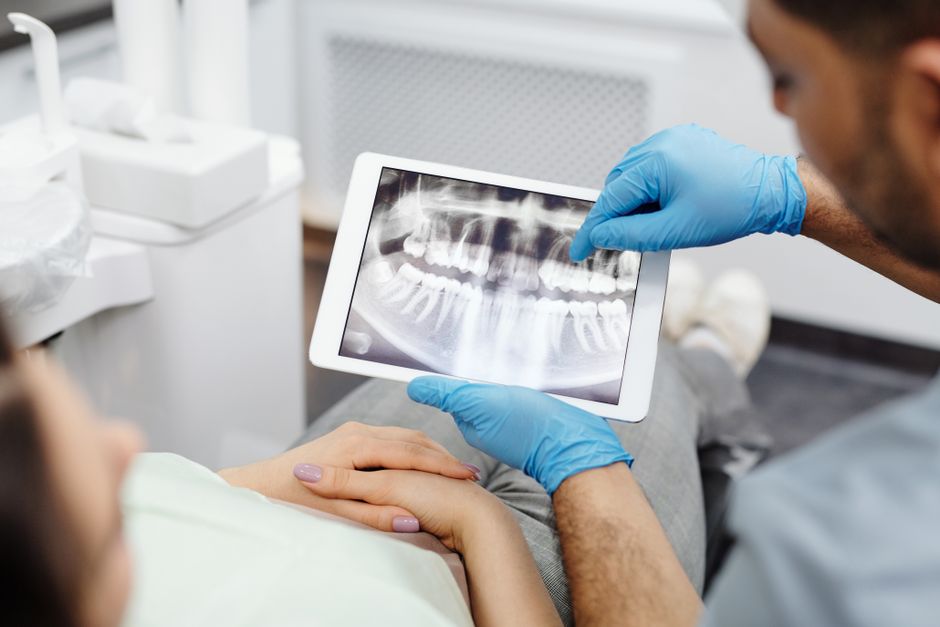
- People with diabetes are at a higher risk of periodontitis and tooth loss due to compromised oral health.
- Diabetic patients are twice as likely to experience inflammation and bone loss around dental implants.
- The study found that individuals with diabetes have a 50% higher risk of losing their natural teeth.
- Poor oral health management can exacerbate diabetes complications and vice versa.
- Tailored dental care and preventive measures are crucial for diabetic patients to mitigate oral health risks.
According to a comprehensive 10-year thesis by dentist Anna Trullenque Eriksson from the University of Gothenburg, people with diabetes—both type 1 and type 2—are at a significantly higher risk of periodontitis (gum disease), tooth loss, and inflammation and bone loss at dental implants. The study, published on MedicalXpress, provides crucial insights into the long-term oral health complications associated with diabetes, emphasizing the need for improved dental care and management practices among diabetic patients.
Current Findings: Higher Risk of Tooth and Implant Loss

The research, conducted at the University of Gothenburg, reveals that individuals with diabetes have a 50% higher risk of losing their natural teeth compared to those without the condition. Additionally, the study found that diabetic patients are twice as likely to experience inflammation and bone loss around dental implants, leading to higher implant failure rates. These findings are based on data collected from over 1,000 participants, including a mix of diabetic and non-diabetic individuals, over a decade-long period. The implications of these results are profound, as they highlight the need for more tailored dental care and preventive measures for diabetic patients.
The Historical Context: Diabetes and Oral Health

Diabetes has long been recognized as a systemic disease affecting multiple organs, but its impact on oral health has only recently gained significant attention. Historically, the focus was primarily on managing blood sugar levels and preventing complications in major organs like the heart and kidneys. However, studies in recent years have increasingly shown that the oral cavity is also a critical area of concern for diabetic patients. This shift in understanding has led to a greater emphasis on the importance of oral health in diabetes management, prompting researchers to delve deeper into the specific risks and mechanisms involved.
The Key Players: Dentists and Diabetic Patients

Dentist Anna Trullenque Eriksson, the author of the thesis, has dedicated her research to understanding the oral health challenges faced by diabetic patients. Her work aims to bridge the gap between dental and medical communities, advocating for a more integrated approach to patient care. Eriksson emphasizes that diabetic patients need to be more proactive in their oral health management, including regular dental check-ups and meticulous daily hygiene practices. The dental community, in turn, must be better equipped to recognize and address the unique needs of these patients, ensuring that they receive the appropriate care and support.
Consequences for Stakeholders: Patients and Healthcare Providers

The increased risk of periodontitis and tooth loss among diabetic patients has significant consequences for both patients and healthcare providers. For patients, these oral health issues can lead to pain, difficulty eating, and a lower quality of life. Additionally, the higher failure rate of dental implants means that they may need more frequent and costly dental interventions. For healthcare providers, the findings underscore the importance of interdisciplinary collaboration, where dentists and endocrinologists work together to provide comprehensive care. This approach can help reduce the overall healthcare burden and improve patient outcomes.
The Bigger Picture
The link between diabetes and oral health complications is part of a broader narrative about the systemic nature of diabetes. This chronic condition affects various aspects of a patient’s health, from cardiovascular disease to kidney function, and now, oral health. The findings from Eriksson’s thesis highlight the need for a holistic approach to diabetes management, where all potential complications are addressed simultaneously. By improving oral health, patients can experience better overall health and a reduced risk of other diabetes-related complications.
As the prevalence of diabetes continues to rise globally, the implications of this research are far-reaching. Healthcare providers and policy-makers must prioritize integrated care models that address the multifaceted nature of diabetes. For patients, staying informed about the latest research and maintaining regular dental check-ups are crucial steps in managing their condition and improving their quality of life.
Source: MedicalXpress