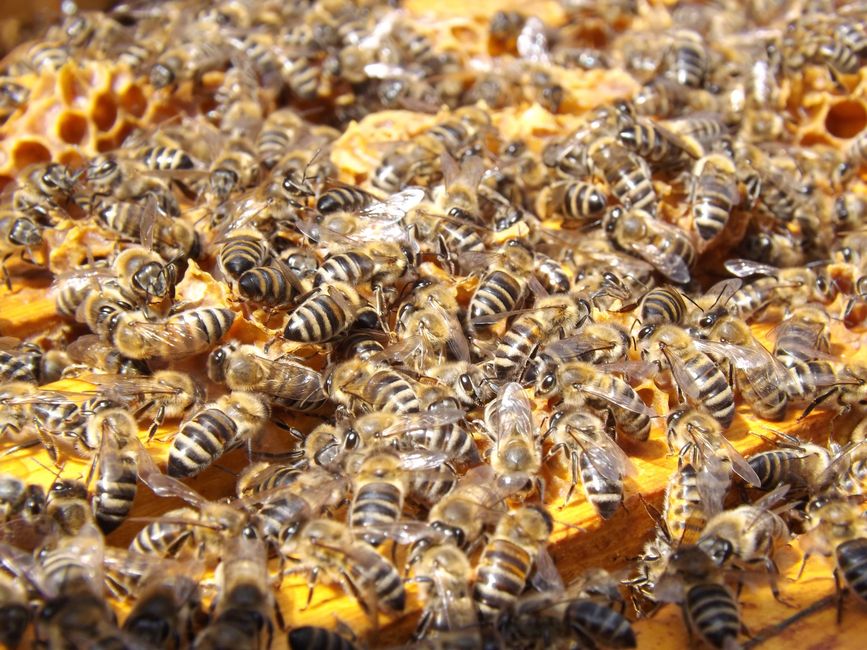
- Africanized honey bees, known as ‘killer bees,’ are becoming more aggressive and arriving earlier in Arizona due to climate change.
- Staying calm is crucial when encountering a bee swarm, as sudden movements can exacerbate the situation.
- Bee swarms are more common in areas with an increased food supply, such as blooming plants and trees.
- Residents are advised to take precautions when outdoors, especially in areas where bees are commonly found.
- Early awareness and education can help individuals reduce their risk of being attacked by a bee swarm.
As the summer months approach, Arizona residents are facing an increased threat from aggressive bee swarms, which are arriving earlier than usual. The main concern is the Africanized honey bee, known for its aggressive behavior when feeling threatened. Experts warn that the key to surviving a bee attack is to remain calm and avoid certain actions that can exacerbate the situation. With the right knowledge, individuals can reduce their risk of being attacked and know how to react if they are swarmed.
Understanding the Threat of Bee Swarms

The Africanized honey bee, also known as the “killer bee,” is a hybrid species that has been present in Arizona for several decades. These bees are known for their aggressive behavior when they feel threatened or when their hive is disturbed. According to experts, the earlier arrival of bee swarms in Arizona can be attributed to climate change and the increased food supply available to the bees. As a result, residents are advised to take precautions when outdoors, especially in areas where bees are commonly found.
Evidence of the Increased Threat

Recent data from the New York Times shows a significant increase in bee attacks in Arizona over the past few years. Experts point to the fact that bee swarms are becoming more aggressive and are arriving earlier in the season. Dr. Juan Hernandez, an entomologist at the University of Arizona, notes that “the earlier arrival of bee swarms is a concern, as it increases the risk of attacks on humans.” Additionally, the Centers for Disease Control and Prevention provides guidance on how to prevent and respond to bee attacks.
Counter-Perspectives on Bee Attacks

While some experts warn of the increased threat posed by bee swarms, others argue that the risk of being attacked is relatively low. They point out that most bee attacks occur when a person disturbs a hive or approaches a swarm too closely. However, even skeptics agree that it is essential to take precautions when outdoors, especially in areas where bees are known to be present. As Dr. Hernandez notes, “even if the risk is low, it is still crucial to be aware of one’s surroundings and take steps to avoid disturbing bees.”
The Real-World Impact of Bee Attacks

The consequences of a bee attack can be severe, ranging from minor injuries to life-threatening allergic reactions. In extreme cases, bee attacks can be fatal. Experts stress that knowing how to respond to a bee attack is crucial in minimizing the risk of serious injury. For example, running away from the swarm or jumping into water can exacerbate the situation, as it can cause the bees to become more aggressive. Instead, individuals should try to slowly and calmly walk away from the area, avoiding sudden movements that can provoke the bees.
What This Means For You
The surge in bee swarms in Arizona serves as a reminder to be aware of one’s surroundings and take precautions when outdoors. By understanding the threat posed by aggressive bees and knowing how to respond to an attack, individuals can reduce their risk of being injured. It is essential to remain calm and avoid actions that can provoke the bees, such as running or jumping into water.
As researchers continue to study the behavior of Africanized honey bees, there are still many questions about the long-term impact of climate change on bee populations. Will the earlier arrival of bee swarms become a new norm, and how will this affect the ecosystem as a whole? As scientists work to answer these questions, residents in Arizona and other affected areas must remain vigilant and take steps to protect themselves from the threat of aggressive bee attacks.
Source: The New York Times