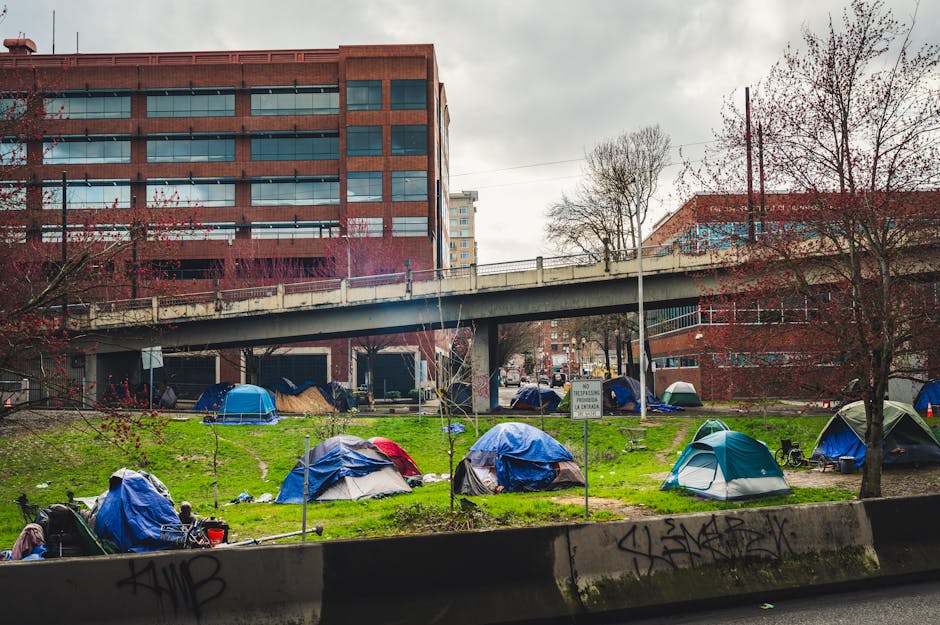
- The UK government is considering a ban on London councils relocating homeless families to distant areas across England.
- The practice of relocating homeless families has been criticized as ‘dumping’ vulnerable individuals in unfamiliar environments.
- Ministers are seeking to address the plight of women fleeing abuse and other vulnerable individuals forced to choose between rough sleeping or poor accommodation.
- The UK housing crisis has led to a significant increase in homelessness, with many London councils struggling to provide adequate accommodation.
- Proposed measures aim to ensure homeless families are provided with more suitable and local accommodation, rather than being relocated.
The UK government is considering a ban on London councils relocating homeless families to distant areas across England, a practice that has grown in response to the country’s worsening housing crisis. This development comes as ministers seek to address the plight of vulnerable individuals, including women fleeing abuse, who are often forced to choose between rough sleeping or moving to affordable but poorly furnished properties in impoverished areas.
Background and Context

The housing crisis in Britain has led to a significant increase in homelessness, with many London councils struggling to provide adequate accommodation for those in need. As a result, some councils have resorted to relocating homeless families to other parts of the country, often with limited consideration for their well-being or support networks. This practice has sparked widespread criticism, with many arguing that it amounts to ‘dumping’ vulnerable individuals in unfamiliar and potentially hostile environments.
Key Details and Proposals

According to reports, ministers are exploring measures to prevent London councils from engaging in this practice, which could include introducing new legislation or guidelines to ensure that homeless families are provided with more suitable and local accommodation. MPs have expressed concern that the current system is coercive, with vulnerable individuals being forced to choose between unacceptable options. The proposed ban is seen as a crucial step towards addressing the root causes of homelessness and providing more effective support for those affected.
Analysis and Implications

The potential ban on London councils ‘dumping’ homeless families miles away has significant implications for the UK’s housing crisis and the welfare of vulnerable individuals. By addressing this practice, ministers hope to reduce the risk of homelessness and provide more stable and supportive environments for those in need. However, the success of such measures will depend on the availability of adequate and affordable housing, as well as the provision of sufficient support services for homeless families. Experts argue that a comprehensive approach is needed to address the complex issues surrounding homelessness, including poverty, lack of affordable housing, and inadequate mental health support.
Impact on Affected Communities

The proposed ban is likely to have a significant impact on the lives of homeless families and individuals, particularly those who have been relocated to distant areas against their will. By providing more local and suitable accommodation, ministers aim to reduce the disruption and trauma associated with relocation, and to enable vulnerable individuals to maintain their support networks and access essential services. However, the implementation of such measures will require careful planning and coordination to ensure that the needs of all affected communities are taken into account.
Expert Perspectives
Experts in the field of housing and homelessness have welcomed the proposed ban, arguing that it represents a crucial step towards addressing the UK’s housing crisis. However, some have expressed concerns that the measures may not go far enough, and that a more comprehensive approach is needed to address the root causes of homelessness. As reported by the Guardian, MPs have emphasized the need for a multifaceted approach that includes increasing the supply of affordable housing, improving support services, and addressing the social and economic factors that contribute to homelessness.
As the UK government considers the proposed ban, it is essential to monitor the situation closely and to assess the potential impact on homeless families and individuals. The coming months will be crucial in determining the effectiveness of the measures and the ability of ministers to address the complex issues surrounding homelessness. Readers can expect further developments on this story, including updates on the proposed legislation and the reactions of affected communities and experts in the field.
Source: The Guardian