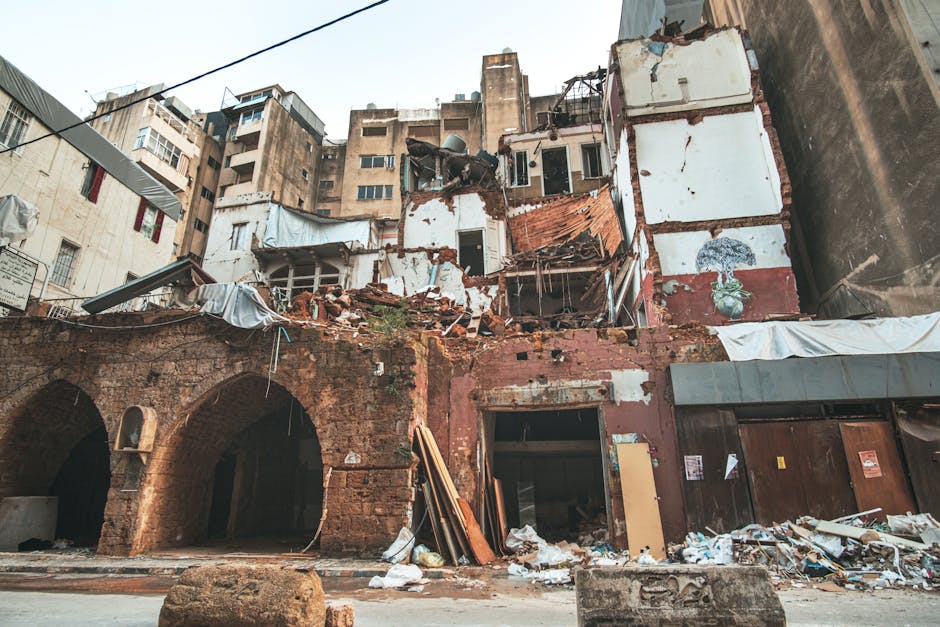
- Israel has launched a significant attack on the city of Tyre in Lebanon, prompting widespread concern over civilian safety.
- The attack marks a significant turning point in the conflict, with fears of further destabilization in the region.
- The Lebanese government has condemned the attack as a violation of sovereignty and international law.
- Humanitarian organizations are sounding the alarm over the potential for a massive displacement crisis.
- Tensions between Israel and Lebanon have been rising for weeks, with both sides exchanging blows.
Israel has launched a significant attack on the city of Tyre in Lebanon, issuing a directive for all residents to leave the area immediately. This drastic escalation of violence comes as tensions between Israel and Lebanon continue to rise, with both sides exchanging blows in recent weeks. The attack on Tyre, a major city in southern Lebanon, marks a significant turning point in the conflict, prompting widespread concern over the safety of civilians and the potential for further destabilization in the region.
Current State of Conflict

The current situation on the ground in Tyre is dire, with reports of widespread destruction and chaos following the Israeli attack. Key facts emerging from the conflict include the use of aerial bombardments and ground troops, leading to significant damage to infrastructure and civilian properties. The Lebanese government has condemned the attack as a blatant violation of sovereignty and international law, calling for immediate international intervention to halt the violence. As the conflict unfolds, humanitarian organizations are sounding the alarm over the potential for a massive displacement crisis, with thousands of residents fleeing their homes in search of safety.
Historical Context of the Conflict

The story behind the current conflict between Israel and Lebanon is complex and deeply rooted in historical tensions. The two nations have a long and tumultuous history, with periodic outbreaks of violence over issues such as border disputes, resource control, and ideological differences. The conflict has been further complicated by the involvement of external actors, including regional and global powers, each with their own interests and agendas. Understanding the historical context of the conflict is crucial to grasping the motivations and actions of the parties involved, as well as the potential paths forward for resolution. For more information on the history of the conflict, readers can visit Israeli–Lebanese conflict on Wikipedia.
Key Players and Motivations

The individuals and groups shaping the current conflict are diverse and multifaceted, each with their own motivations and goals. On the Israeli side, the government has framed the attack on Tyre as a necessary measure to protect national security and deter future aggression. In contrast, the Lebanese government and militant groups such as Hezbollah have vowed to resist Israeli aggression and defend their territory. The motivations of these actors are deeply intertwined with regional and global geopolitical dynamics, including the struggle for influence in the Middle East and the ongoing competition between major world powers. As the conflict continues to evolve, the actions and decisions of these key players will be closely watched for signs of escalation or potential pathways to peace.
Consequences of the Conflict

The consequences of the Israeli attack on Tyre are far-reaching and have significant implications for stakeholders on all sides of the conflict. For the residents of Tyre and the broader Lebanese population, the immediate concern is the loss of life, injury, and displacement. The attack also has the potential to destabilize the region further, drawing in other countries and exacerbating existing tensions. The international community, including organizations such as the United Nations, is under pressure to respond to the crisis, with calls for a ceasefire and negotiations to resolve the underlying issues driving the conflict. As the situation continues to unfold, all parties will be watching closely for signs of how the conflict will impact regional stability and global security.
The Bigger Picture
The attack on Tyre and the broader conflict between Israel and Lebanon are part of a larger landscape of regional and global tensions. The Middle East has long been a focal point of international conflict and competition, with issues such as terrorism, nuclear proliferation, and energy security playing critical roles. The current crisis highlights the need for sustained diplomatic effort and international cooperation to address the root causes of conflict and promote lasting peace and stability in the region. Readers seeking more information on the regional dynamics can visit BBC News for in-depth analysis and updates.
As the world watches the developments in Tyre and Lebanon with bated breath, the critical question on everyone’s mind is what comes next. Will the international community be able to intervene effectively to halt the violence and broker a peace agreement, or will the conflict continue to escalate, drawing in more actors and causing further instability? The answers to these questions will depend on a complex interplay of factors, including the actions of key players, the response of the international community, and the underlying dynamics driving the conflict. One thing is certain, however: the situation in Tyre and Lebanon will continue to be a major focus of global attention in the days and weeks to come, with significant implications for regional and global security.
Source: Al Jazeera