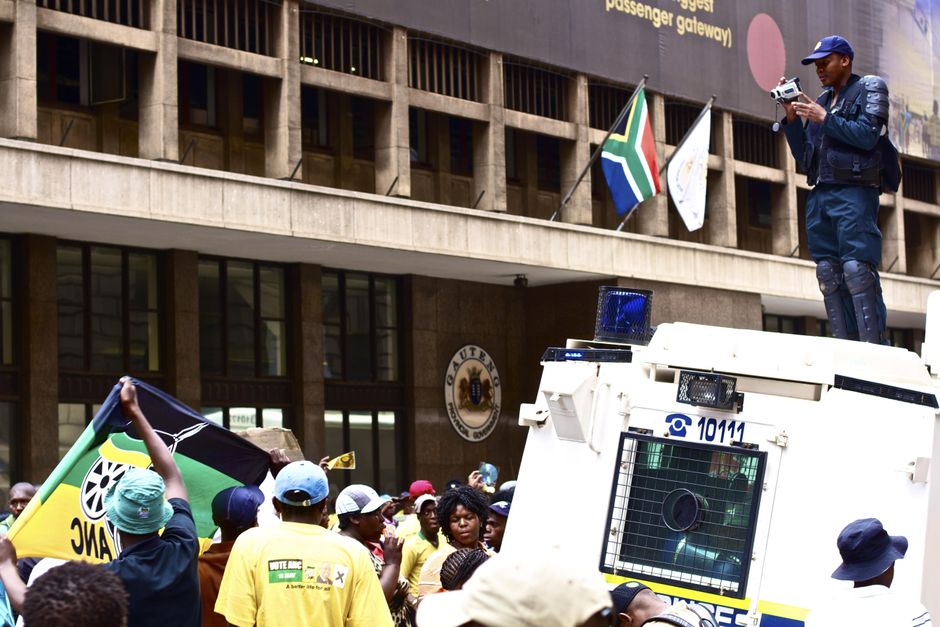
- Anti-immigrant sentiment in South Africa has surged, with many African migrants living in fear of being attacked or deported.
- The March & March campaign group has been at the forefront of protests, calling for illegal immigrants to leave the country by June 30.
- Many South Africans believe that immigrants are taking their jobs and putting a strain on the country’s resources, fueling xenophobia.
- African migrants with legal status are not protected from the backlash, leaving them in a state of uncertainty and fear.
- The situation has been condemned by human rights groups, who are calling for protection and support for the affected migrants.
What is driving the recent surge in anti-immigrant sentiment in South Africa, and how are African migrants being affected? The country has seen a series of marches calling for illegal immigrants to leave, reigniting long-held xenophobic sentiment and leaving many migrants living in fear. Despite having legal status, many African migrants say they are not protected from the backlash, which has been fueled by campaign groups like March & March.
Understanding the Backlash Against Immigrants

The March & March campaign group has been at the forefront of recent protests, giving people living illegally in the country an ultimatum to leave by June 30. However, the group has not specified what will happen to those who do not comply, leaving many migrants in a state of uncertainty and fear. The situation has been exacerbated by the fact that many South Africans believe that immigrants are taking their jobs and putting a strain on the country’s resources.
Supporting Evidence for the Backlash

According to a report by the Guardian, many African migrants in South Africa are living in fear of being attacked or deported. The report cites examples of migrants being forced to flee their homes and businesses, and of others being arrested and detained by the authorities. The situation has been condemned by human rights groups, who argue that the backlash against immigrants is unjustified and violates their human rights.
Counter-Perspectives on the Issue

However, not everyone in South Africa agrees that the backlash against immigrants is unjustified. Some argue that the country has a right to control its borders and protect its citizens from the perceived threat posed by illegal immigrants. Others argue that the migrants are taking jobs away from South Africans and putting a strain on the country’s resources. These counter-perspectives highlight the complexity of the issue and the need for a nuanced approach to addressing the concerns of all parties involved.
Real-World Impact of the Backlash

The backlash against immigrants in South Africa has had a significant impact on the lives of African migrants. Many have been forced to flee their homes and businesses, and others have been arrested and detained by the authorities. The situation has also had a negative impact on the economy, with many businesses forced to close due to the loss of migrant workers. Furthermore, the backlash has damaged South Africa’s reputation as a welcoming and inclusive country, and has raised concerns about the country’s commitment to human rights and the rule of law.
What This Means For You
For African migrants living in South Africa, the current situation is a cause for concern. Many are living in fear of being attacked or deported, and are unsure of what the future holds. For South Africans, the issue highlights the need for a nuanced approach to addressing the concerns of all parties involved. It is essential to recognize the contributions that migrants make to the economy and society, while also addressing the legitimate concerns of citizens. By taking a balanced and informed approach, it is possible to find a solution that works for everyone.
As the situation in South Africa continues to unfold, it is essential to ask what the long-term consequences of the backlash against immigrants will be. Will the country be able to find a way to address the concerns of all parties involved, or will the situation continue to escalate? The answer to this question will depend on the ability of the government and civil society to work together to find a solution that promotes inclusivity, tolerance, and respect for human rights.
Source: The Guardian