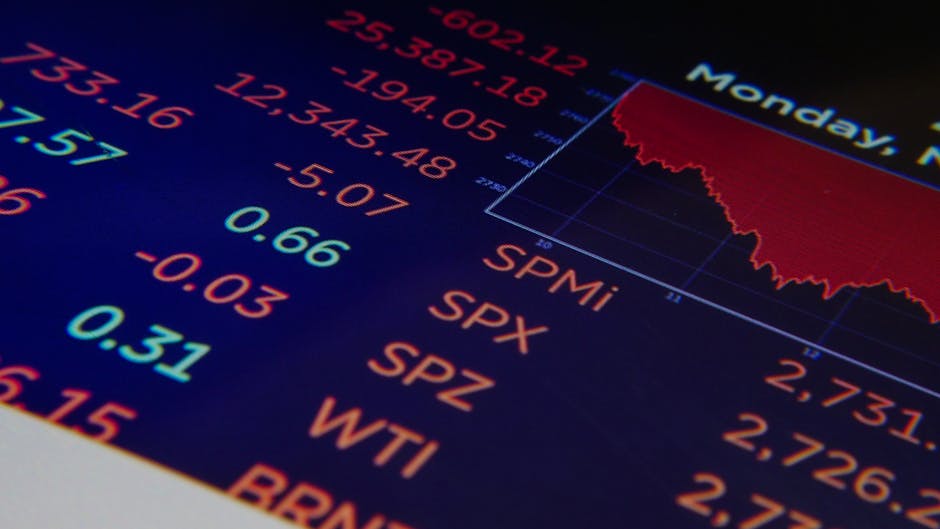
- Economists are raising concerns about a potential modern depression driven by debt, inequality, and slow productivity growth.
- High debt levels, increasing inequality, and stagnant productivity are key indicators contributing to economic uncertainty.
- External shocks like trade tensions, climate change, and geopolitical instability exacerbate the risk of a crisis.
- The 2008 financial crisis exposed flaws in traditional economic models and the need to account for unpredictable factors.
- The International Monetary Fund highlights challenges including slowing trade and rising debt, signaling potential economic headwinds.
The global economy is facing a potential crisis, with many economists warning of a looming modern depression. The crisis, which may be triggered by a combination of factors including debt, inequality, and stagnating productivity, could have far-reaching consequences for individuals, businesses, and governments. Despite these warnings, many economists may not be equipped to predict the crisis, due to limitations in their methods and models.
The Current Economic Landscape

The current economic situation is complex and multifaceted, with many indicators pointing to a looming crisis. Debt levels are high, inequality is rising, and productivity growth is stagnating. Additionally, the global economy is facing a number of external shocks, including trade tensions, climate change, and geopolitical instability. These factors have created a perfect storm of uncertainty and risk, which could potentially trigger a crisis. According to a report by the International Monetary Fund, the global economy is facing a number of challenges, including a slowdown in trade and a rise in debt levels.
A Brief History of Economic Crises

The story behind the potential modern depression is rooted in the history of economic crises. The 2008 financial crisis, which was triggered by a housing market bubble, highlighted the limitations of economic models and the importance of considering external factors. Since then, economists have been working to improve their models and methods, but many argue that they are still not equipped to predict a crisis. The 2008 financial crisis had far-reaching consequences, including a global recession and a rise in unemployment. It also led to a number of changes in economic policy, including the implementation of quantitative easing and the creation of new regulatory bodies.
The Role of Economists and Policymakers

The people shaping the economic landscape are a diverse group, including economists, policymakers, and business leaders. Economists are working to improve their models and methods, while policymakers are implementing policies aimed at mitigating the risks of a crisis. However, many argue that these efforts are not enough, and that a more fundamental transformation of the economic system is needed. The motivations of these individuals are complex and multifaceted, but ultimately they are driven by a desire to create a more stable and equitable economy. As noted by the Reuters news agency, economists and policymakers are under increasing pressure to respond to the economic challenges facing the globe.
Consequences of a Modern Depression

A modern depression would have far-reaching consequences for stakeholders, including individuals, businesses, and governments. The crisis could lead to a rise in unemployment, a decline in living standards, and a increase in poverty and inequality. It could also have a number of external consequences, including a rise in social unrest and a decline in global stability. The consequences of a crisis would be felt for many years, and could potentially lead to a fundamental transformation of the economic system. According to the New York Times, a modern depression could have devastating consequences for individuals and communities, and could potentially lead to a rise in social and economic inequality.
The Bigger Picture
The potential modern depression is part of a larger story about the state of the global economy. The crisis highlights the limitations of current economic models and the need for a more fundamental transformation of the economic system. It also underscores the importance of considering external factors, including climate change, inequality, and geopolitical instability. As the global economy continues to evolve, it is likely that new challenges and opportunities will emerge, and that economists and policymakers will need to adapt and respond. The Guardian newspaper has noted that the potential modern depression is a wake-up call for economists and policymakers, and highlights the need for a more sustainable and equitable economic system.
In conclusion, the potential modern depression is a complex and multifaceted issue, with many different factors and stakeholders involved. As the global economy continues to evolve, it is likely that new challenges and opportunities will emerge, and that economists and policymakers will need to adapt and respond. The consequences of a crisis would be far-reaching and devastating, and it is essential that we take action now to mitigate the risks and create a more stable and equitable economy. The next steps will be critical, and will require a fundamental transformation of the economic system and a commitment to sustainability and equity.
Source: Reddit