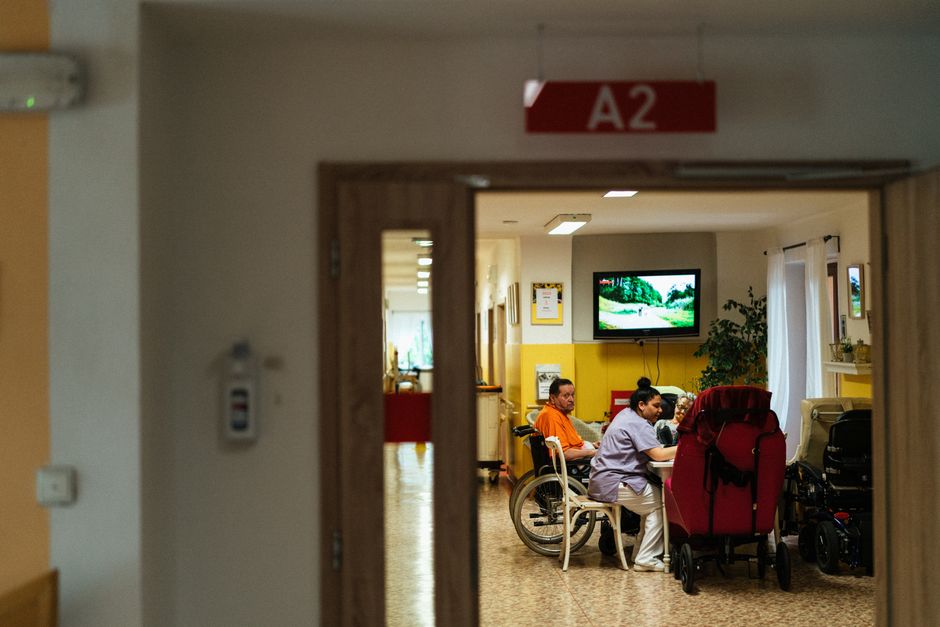
- Dementia patients face more challenges due to negative reactions from others than the diagnosis itself.
- Current dementia awareness is marred by damaging stereotypes and inadequate medical support worldwide.
- Over 55 million people live with dementia, necessitating a more inclusive and supportive environment.
- Dementia stigma has a long history, fueled by media and cultural misrepresentation.
- Efforts are underway to challenge and change negative perceptions of dementia patients.
Maxine Linnell, a 78-year-old retired psychotherapist from Leicestershire, received a dementia diagnosis four years ago, but it was the reactions of those around her that proved more challenging than the diagnosis itself. Linnell recalls how people’s attitudes changed almost immediately, with some no longer seeing her as a person, but rather as a dementia patient, as if the diagnosis marked the end of her life as she knew it.
Current State of Dementia Awareness

The current state of dementia awareness is marked by damaging stereotypes and a lack of proper medical support. Despite being one of the most feared diagnoses, dementia is often met with misconceptions and stigma, leading to social isolation and inadequate care for those affected. People living with dementia, like Linnell, are fighting against these stereotypes, determined to change people’s minds and demand the support they deserve. With over 55 million people worldwide living with dementia, it is essential to address these issues and work towards a more inclusive and supportive environment.
A History of Stigma and Misconceptions

The stigma surrounding dementia has a long history, with the condition often being misunderstood or misrepresented in the media and popular culture. This has led to a lack of awareness and understanding, resulting in people with dementia being marginalized and excluded from society. However, in recent years, there has been a growing movement to challenge these stereotypes and promote a more accurate and inclusive representation of dementia. This movement is being driven by people living with dementia, who are sharing their experiences and demanding change.
The People Behind the Movement

At the forefront of this movement are people like Linnell, who are determined to challenge the status quo and promote a more inclusive and supportive environment for those living with dementia. These individuals are not only advocating for themselves but also for others who may be struggling with the condition. They are driven by a desire to break down the stigma and misconceptions surrounding dementia and to ensure that people with dementia receive the support and care they need to live fulfilling lives. By sharing their stories and experiences, they are helping to raise awareness and promote a more nuanced understanding of the condition.
Consequences of Inaction

The consequences of inaction are severe, with people living with dementia often facing social isolation, inadequate care, and a lack of support. This can lead to a decline in their physical and mental health, as well as a reduced quality of life. Furthermore, the stigma surrounding dementia can also affect families and caregivers, who may struggle to cope with the emotional and practical challenges of supporting a loved one with the condition. It is essential that we address these issues and work towards a more inclusive and supportive environment, where people with dementia can live fulfilling lives and receive the care and support they need.
The Bigger Picture
The dementia rebellion is not just about challenging stereotypes and promoting awareness; it is also about addressing the broader social and economic issues that affect people living with dementia. This includes ensuring access to proper medical care, social support, and economic resources. By addressing these issues, we can work towards creating a more inclusive and supportive environment, where people with dementia can thrive and live fulfilling lives. As the World Health Organization notes, dementia is a major public health concern, and it is essential that we take a comprehensive and inclusive approach to addressing it.
In conclusion, the dementia rebellion is a powerful movement that is challenging stereotypes and promoting awareness about dementia. By sharing their stories and experiences, people living with dementia are helping to raise awareness and promote a more nuanced understanding of the condition. As we move forward, it is essential that we continue to support and amplify the voices of people living with dementia, and work towards creating a more inclusive and supportive environment, where they can live fulfilling lives and receive the care and support they need. For more information, visit the Alzheimer’s Association website.
Source: The Guardian