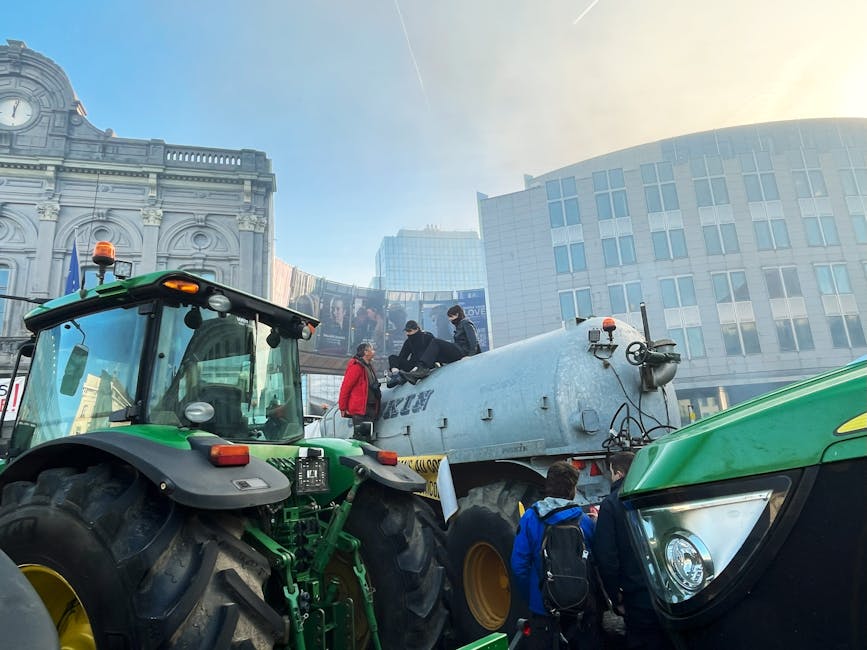
- Thousands of protesters in Brussels condemn alleged police violence during demonstrations against spending cuts affecting French-speaking education.
- The dispute between French-speaking and Dutch-speaking communities in Belgium is rooted in a long-standing linguistic and cultural divide.
- Planned spending cuts have been perceived as disproportionately affecting French-speaking education, sparking widespread protests and demonstrations.
- Protesters demand greater accountability from law enforcement and an end to what they describe as excessive police force.
- The Belgian government faces mounting pressure to address the concerns of French-speaking communities.
Thousands of protesters gathered in Brussels on 8 June to condemn alleged police violence during recent demonstrations against planned spending cuts affecting French-speaking education in Belgium. The protest, which remained largely peaceful, was attended by students, teachers, and union representatives, all of whom demanded greater accountability from law enforcement. The dispute has sparked widespread outrage, with many calling for an end to what they describe as excessive police force. The protest is a significant development in an ongoing dispute that has been simmering for weeks, with the Belgian government facing mounting pressure to address the concerns of French-speaking communities.
Background to the Dispute

The current unrest in Belgium is rooted in a long-standing linguistic and cultural divide between the country’s French-speaking and Dutch-speaking communities. The planned spending cuts, which are aimed at reducing the country’s budget deficit, have been perceived as disproportionately affecting French-speaking education. This has led to widespread protests and demonstrations, with many arguing that the cuts will exacerbate existing inequalities between the two communities. The use of alleged police violence has further inflamed tensions, with many protesters arguing that the authorities have failed to respect their right to peaceful assembly. As the situation continues to unfold, it is clear that the dispute is about more than just budget cuts – it is about the very fabric of Belgian society and the relationship between the country’s different linguistic and cultural groups.
Key Details of the Protest

The protest in Brussels was characterized by a sense of determination and defiance, with thousands of protesters marching through the city’s streets and chanting slogans condemning police violence. The protest was organized by a coalition of student and teacher unions, as well as other civil society groups, and was attended by people of all ages and backgrounds. While there were some reports of skirmishes between protesters and police, the protest remained largely peaceful, with many calling for calm and restraint. The protesters presented a list of demands to the government, including an end to the planned spending cuts and greater investment in French-speaking education. The government has yet to respond to these demands, but it is clear that the protest has significant implications for the country’s future.
Analysis of the Situation

The situation in Belgium is complex and multifaceted, with deep-seated linguistic and cultural divisions at its root. The use of alleged police violence has further complicated the situation, with many arguing that it has undermined trust in the authorities and exacerbated tensions between different communities. According to experts, the dispute is likely to continue unless the government takes concrete steps to address the concerns of French-speaking communities. This could involve revising the planned spending cuts and investing more in French-speaking education, as well as taking steps to promote greater linguistic and cultural diversity. The situation is being closely watched by international observers, who are concerned about the potential for further unrest and instability.
Implications of the Dispute

The dispute in Belgium has significant implications for the country’s future, with the potential to exacerbate existing linguistic and cultural divisions. The use of alleged police violence has already led to widespread outrage and condemnation, with many arguing that it has undermined trust in the authorities. If the situation is not addressed, it could lead to further unrest and instability, with potentially serious consequences for the country’s social and economic fabric. The dispute also has implications for the wider region, with many European leaders watching the situation closely and calling for calm and restraint.
Expert Perspectives
Experts are divided on the best way to address the situation in Belgium, with some arguing that the government should take a firmer line against protesters and others arguing that it should take a more conciliatory approach. According to some analysts, the key to resolving the dispute is to address the underlying linguistic and cultural divisions that are driving the unrest. This could involve promoting greater diversity and inclusion, as well as taking steps to address the socioeconomic inequalities that are affecting French-speaking communities. Others argue that the government should take a more robust approach to law and order, and that the use of police force is sometimes necessary to maintain public order.
As the situation in Belgium continues to unfold, it is clear that the dispute is far from over. The protest in Brussels was just one manifestation of a deeper and more complex issue, and it is likely that there will be further developments in the coming weeks and months. One key question is how the government will respond to the protesters’ demands, and whether it will be able to find a solution that addresses the concerns of all parties involved. As the situation continues to evolve, it will be important to watch for further developments and to consider the potential implications for the country’s future.
Source: Euronews