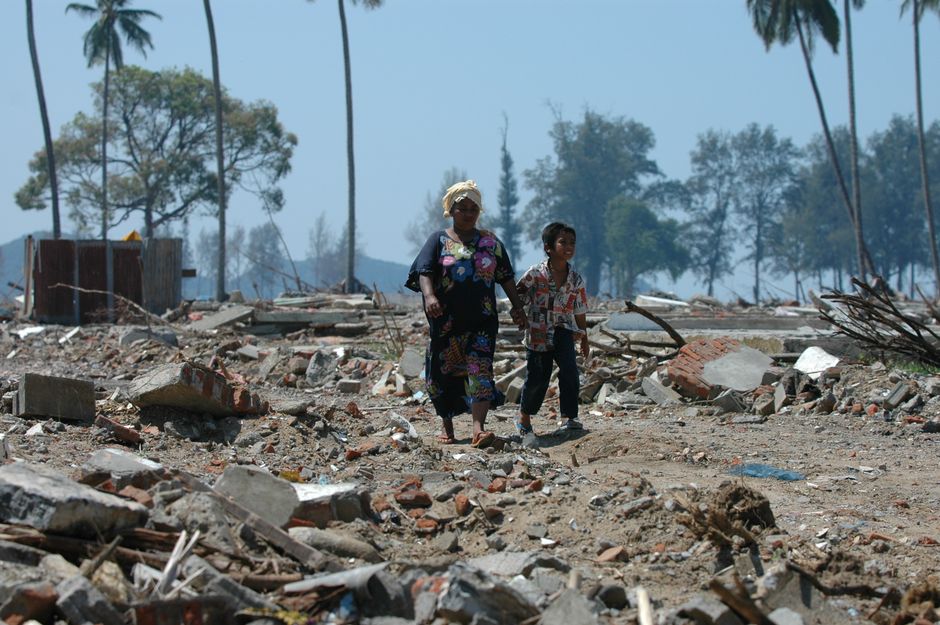
- A powerful earthquake in the Philippines has resulted in at least 37 fatalities, with the potential for the death toll to increase significantly.
- General Santos, a city of 720,000, experienced the most severe damage, leaving many residents trapped under collapsed buildings.
- The Philippines’ location within the Pacific Ring of Fire makes it highly susceptible to earthquakes and other natural disasters.
- Rescue teams are working urgently to locate and extract survivors from the rubble in the affected areas.
- This latest disaster underscores the necessity for enhanced disaster preparedness, stronger building codes, and resilient infrastructure.
A powerful earthquake struck the Philippines, leaving a trail of destruction and chaos in its wake. The quake, which inflicted some of the worst damage on General Santos, a city of about 720,000 people in southern Mindanao, has claimed the lives of at least 37 people, with many more feared trapped under the rubble. As the death toll continues to rise, rescue teams are racing against time to find survivors in the devastated areas, and residents are left to pick up the pieces and wonder what the future holds.
What Happened and Why It Matters

The earthquake, which was centered in the southern region of Mindanao, was a devastating reminder of the country’s vulnerability to natural disasters. The Philippines is located in the Pacific Ring of Fire, an area prone to seismic activity, and the country has experienced its fair share of earthquakes and typhoons in recent years. The latest disaster has highlighted the need for improved disaster preparedness and response, as well as the importance of building codes and infrastructure that can withstand powerful earthquakes. As the country struggles to come to terms with the scale of the disaster, one thing is clear: the road to recovery will be long and arduous.
Supporting Evidence and Data

According to reports from the Al Jazeera news agency, the quake inflicted significant damage on General Santos, with many buildings reduced to rubble and power lines down. The city’s residents were left without electricity or access to basic necessities, and many were forced to spend the night in makeshift shelters or on the streets. The Philippine government has deployed troops and rescue teams to the affected areas, but the scale of the disaster has overwhelmed local authorities, and international aid is being sought to support the relief efforts.
Counter-Perspectives and Challenges

While the Philippine government has been praised for its swift response to the disaster, some critics have argued that more could have been done to prevent the tragedy. They point to the country’s lack of investment in disaster preparedness and infrastructure, as well as the failure to enforce building codes and safety regulations. Others have raised concerns about the potential for looting and lawlessness in the aftermath of the disaster, and the need for increased security measures to protect residents and aid workers. As the debate over the government’s response continues, one thing is clear: the road to recovery will be fraught with challenges and uncertainties.
Real-World Impact and Consequences

The earthquake has had a devastating impact on the lives of thousands of people in the Philippines, with many left without access to basic necessities like food, water, and shelter. The economic consequences of the disaster are also likely to be severe, with many businesses and industries disrupted or destroyed. As the country struggles to come to terms with the scale of the disaster, residents are facing a desperate struggle to survive, and the international community is being called upon to provide aid and support. The World Health Organization has warned of the risk of disease outbreaks and other health crises in the aftermath of the disaster, and aid agencies are working to provide medical care and other essential services to those in need.
What This Means For You
The Philippines earthquake is a stark reminder of the importance of disaster preparedness and response. As the world becomes increasingly vulnerable to natural disasters, it is essential that individuals and communities take steps to protect themselves and their loved ones. This includes having emergency plans in place, building disaster-resistant infrastructure, and supporting aid efforts in affected areas. By taking these steps, we can reduce the risk of disasters like the Philippines earthquake and create a safer, more resilient world for all.
As the people of the Philippines begin the long and difficult process of recovery, they will be facing many challenges and uncertainties. What will be the long-term impact of the earthquake on the country’s economy and infrastructure? How will the government and aid agencies respond to the needs of affected communities? And what can be done to prevent similar disasters in the future? These are just a few of the questions that will be on the minds of residents and observers in the days and weeks to come, and they will require careful consideration and planning to answer.
Source: Al Jazeera