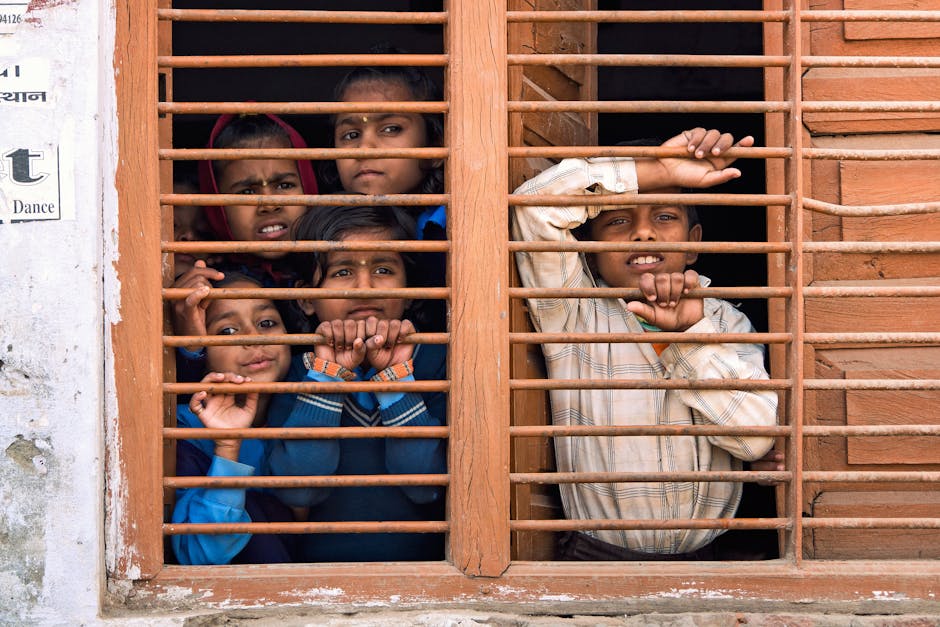
- India’s fertility rate has dropped to 1.9 children per woman, falling below the replacement level of 2.1, signaling a demographic shift.
- This decline is attributed to increased education, family planning access, and evolving social norms influencing family size decisions.
- Urbanization plays a key role, with city residents having fewer children compared to those in rural areas across India.
- Improved healthcare and living standards are also contributing factors to the observed decrease in the country’s fertility rate.
- India’s population is projected to peak around the mid-2060s before entering a period of decline, presenting future challenges.
India’s fertility rate has fallen to 1.9 children per woman, below the replacement level of 2.1, marking a significant demographic shift with far-reaching consequences for the country’s workforce, elderly population, and economy. This decline is a result of increased access to education and family planning resources, as well as changing social norms. As India’s population ages, the country is likely to face challenges in supporting its elderly citizens and maintaining a robust workforce.
Current Demographic Trends

The current fertility rate of 1.9 children per woman is a decline from 3.4 in 1992, according to the latest reports. This shift is largely driven by urbanization, with city dwellers having fewer children than their rural counterparts. Furthermore, improvements in healthcare and living standards have also contributed to the decline in fertility rates. As a result, India’s population is expected to peak in the mid-2060s, followed by a decline.
Historical Context

India’s population has been growing rapidly since the mid-20th century, with the country’s population increasing from 361 million in 1951 to over 1.3 billion today. The government has implemented various family planning initiatives over the years, including the National Population Policy in 2000, which aimed to reduce the total fertility rate to 2.1 by 2010. While these efforts have been successful in reducing fertility rates, they have also raised concerns about the potential impact on the country’s demographic structure.
Key Players and Motivations

The Indian government has been a key player in shaping the country’s population policies, with a focus on reducing fertility rates and promoting family planning. However, the motivations behind these policies are complex and multifaceted. On one hand, the government aims to reduce the economic burden of a rapidly growing population and promote sustainable development. On the other hand, there are concerns that a declining population could lead to a shortage of workers and increased pressure on the pension system. Women’s rights groups have also been instrumental in promoting access to education and family planning resources, which have contributed to the decline in fertility rates.
Consequences and Implications

The decline in India’s fertility rate is expected to have significant consequences for the country’s economy and social structures. With a shrinking workforce, India may face challenges in supporting its elderly population and maintaining economic growth. Furthermore, the shift in demographic trends is likely to impact the country’s pension system, healthcare, and social security programs. As a result, the government will need to implement policies to address these challenges and ensure that the country’s aging population is supported.
The Bigger Picture
India’s demographic shift is part of a broader global trend, with many countries facing similar challenges related to aging populations and declining fertility rates. The World Health Organization has highlighted the need for countries to prepare for the challenges and opportunities presented by aging populations. As India navigates this demographic transition, it will be important for the government to prioritize policies that promote sustainable development, support the elderly, and ensure that the country’s workforce remains robust.
In conclusion, India’s fertility rate falling below the replacement level marks a significant turning point in the country’s demographic history. As the country moves forward, it will be essential to address the challenges and opportunities presented by this shift. With careful planning and policy implementation, India can ensure that its aging population is supported, and its economy remains strong. The next few years will be critical in shaping the country’s demographic future, and it will be important for policymakers to prioritize the needs of both the elderly and the workforce.
Source: Al Jazeera