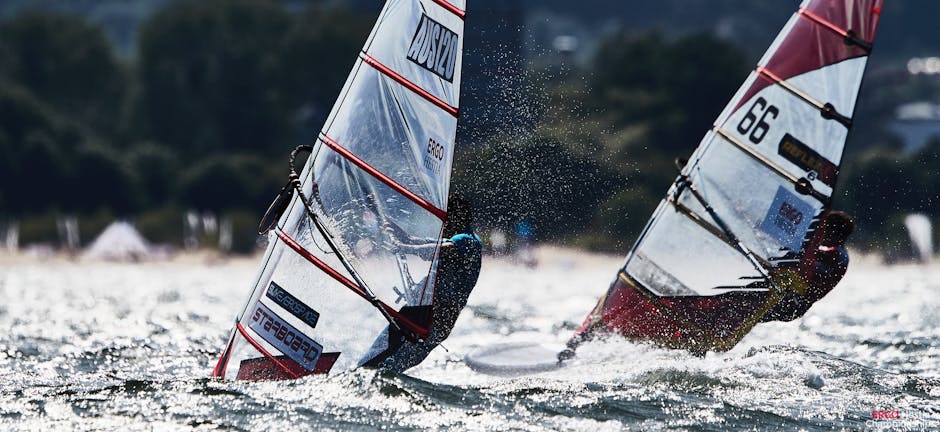
- Hoyle Schweitzer introduced the Windsurfer sailboard, making windsurfing affordable and portable for the masses.
- Windsurfing became a global phenomenon, transforming lives of countless individuals after Schweitzer’s innovative design.
- The Windsurfer was a game-changer in sailing, offering lower costs and greater portability than traditional sailboats.
- Schweitzer’s Windsurfer popularized windsurfing, leading to rapid growth throughout the 1970s and 1980s.
- Windsurfing continues to evolve with advancements in technology and equipment, introducing new styles and disciplines.
Hoyle Schweitzer, the visionary entrepreneur who democratized windsurfing by introducing the affordable and portable Windsurfer sailboard, has passed away at the age of 93. Alongside his friend and collaborator Jim Drake, Schweitzer’s innovative design made it possible for people of all backgrounds to experience the thrill of sailing. As a result, windsurfing became a global phenomenon, with the sport spreading rapidly across the world and transforming the lives of countless individuals.
The Windsurfer’s Impact on the Sport

The Windsurfer, which was first introduced in the late 1960s, was a game-changer in the world of sailing. According to The New York Times, the sailboard was not only cheaper but also more portable than traditional sailboats, making it accessible to a wider audience. This shift in affordability and convenience helped to popularize windsurfing, with the sport experiencing rapid growth throughout the 1970s and 1980s. As noted by the Wikipedia page on windsurfing, the sport has continued to evolve, with advancements in technology and equipment leading to new styles and disciplines.
The Key Players Behind the Windsurfer

Hoyle Schweitzer and Jim Drake were the driving forces behind the development of the Windsurfer. Their collaboration, which combined Schweitzer’s business acumen with Drake’s design expertise, proved to be a winning formula. Schweitzer’s ability to identify a gap in the market and capitalize on it was instrumental in bringing the Windsurfer to the masses. Meanwhile, Drake’s innovative design ensured that the sailboard was both functional and fun to use, making it an instant hit with sailors and non-sailors alike.
The Trade-Offs of Windsurfing’s Global Popularity

While the global popularity of windsurfing has brought numerous benefits, including increased participation and a growing community of enthusiasts, it has also raised concerns about the sport’s environmental impact. The mass production of sailboards and the increased traffic on beaches and waterways have led to issues such as pollution, erosion, and congestion. Furthermore, the commercialization of windsurfing has also led to the exploitation of local communities and the degradation of natural habitats. As the sport continues to grow, it is essential to address these concerns and work towards a more sustainable and responsible approach to windsurfing.
The Timing of Schweitzer’s Passing

Hoyler Schweitzer’s passing comes at a time when the sport of windsurfing is experiencing a resurgence in popularity. With the rise of social media and the increasing accessibility of sailing equipment, a new generation of windsurfers is emerging. This renewed interest in the sport is a testament to the enduring legacy of Schweitzer and Drake’s innovative design. As the windsurfing community continues to evolve, it is essential to remember the pioneers who made the sport possible and to build on their contributions to create a brighter future for the sport.
Where We Go From Here
Looking ahead to the next 6-12 months, there are several possible scenarios for the future of windsurfing. One potential outcome is that the sport will continue to grow in popularity, with new technologies and innovations emerging to make sailing more accessible and enjoyable. Another possibility is that the sport will experience a shift towards more sustainable and environmentally-friendly practices, with a greater emphasis on eco-friendly equipment and responsible sailing practices. Finally, there is also the possibility that windsurfing will become more fragmented, with different styles and disciplines emerging to cater to diverse interests and preferences.
In conclusion, Hoyle Schweitzer’s passing marks the end of an era for windsurfing, but his legacy will continue to inspire and influence the sport for generations to come. As the windsurfing community looks to the future, it is essential to remember the pioneering spirit and innovative design that made the sport possible, while also addressing the challenges and concerns that have arisen as a result of its global popularity.
Source: The New York Times