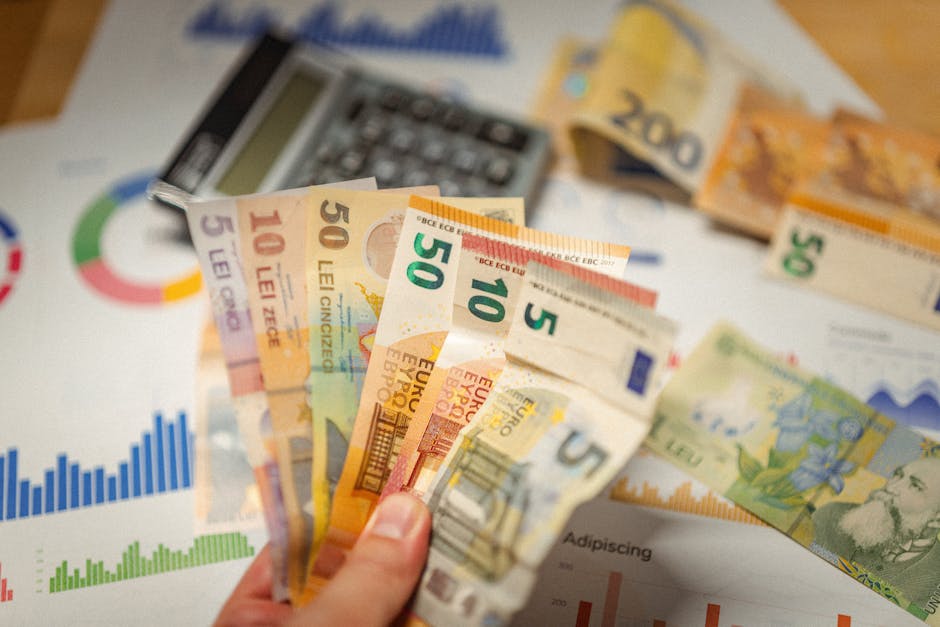
- Inflation is expected to hit a three-year high in May, driven by increased demand, supply chain disruptions, and higher production costs.
- Rising costs of living may impact household budgets and overall economic growth, affecting consumer spending.
- The Federal Reserve plays a crucial role in managing inflation through monetary policy, including interest rate decisions.
- The Consumer Price Index has risen by over 2% in the past 12 months, indicating a significant increase in the cost of living.
- The Federal Reserve’s actions will be closely watched to balance economic growth with inflation control.
Inflation is likely to hit a three-year high in May, according to a recent report from RBC Economics. The expected surge in prices may have significant implications for the economy and consumer spending, as rising costs of living could impact household budgets and overall economic growth. As the economy continues to recover from the pandemic, this inflationary trend is a key development to watch in the coming months.
Evidence of Rising Inflation

Hard data from recent economic indicators suggests that inflation is indeed on the rise. According to the report, inflation is expected to reach a three-year high in May, driven by factors such as increased demand, supply chain disruptions, and higher production costs. Primary sources, including data from the Bureau of Labor Statistics, confirm this trend, showing a steady increase in prices over the past year. For example, the Consumer Price Index has risen by over 2% in the past 12 months, indicating a significant increase in the cost of living.
Key Players and Their Roles

The Federal Reserve, led by Chair Jerome Powell, plays a crucial role in managing inflation through monetary policy. Recent moves by the Fed, including interest rate decisions, have aimed to balance economic growth with inflation control. Other key actors, such as the White House and Congress, also have a stake in managing inflation, as it impacts fiscal policy and budget decisions. As the inflation rate continues to rise, these players will be closely watched for their responses and strategies to mitigate its effects.
Trade-Offs and Implications

The rising inflation rate presents both costs and benefits. On the one hand, higher prices can erode consumer purchasing power and impact economic growth. On the other hand, moderate inflation can also stimulate economic activity and encourage investment. As the economy navigates this trade-off, policymakers must weigh the risks and opportunities of inflation, considering factors such as employment rates, wage growth, and business investment. For example, the New York Times reports that some businesses are already adjusting their pricing strategies in response to inflation.
Timing and Triggers

So why is inflation rising now? Several factors have contributed to this trend, including the ongoing economic recovery, increased demand, and supply chain disruptions. The pandemic has also played a role, as governments and central banks have implemented expansionary policies to support economic growth. As the economy continues to recover, it is likely that inflation will remain a key concern, particularly if supply chain issues persist and demand continues to outpace supply.
Where We Go From Here
Looking ahead to the next 6-12 months, three scenarios are possible. Firstly, inflation could continue to rise, potentially exceeding expectations and prompting a more aggressive response from policymakers. Secondly, the economy could experience a slowdown, reducing demand and easing inflationary pressures. Thirdly, policymakers could successfully manage inflation, achieving a balance between economic growth and price stability. As the situation unfolds, it will be essential to monitor key indicators, such as the Consumer Price Index and employment rates, to anticipate the direction of inflation and its implications for the economy.
In conclusion, the expected surge in inflation to a three-year high in May is a significant development that warrants close attention from policymakers, businesses, and consumers alike. As the economy navigates this challenging environment, it is crucial to prioritize prudent fiscal and monetary policy, ensuring that the benefits of economic growth are shared by all, while minimizing the risks associated with rising prices.
Source: Reddit