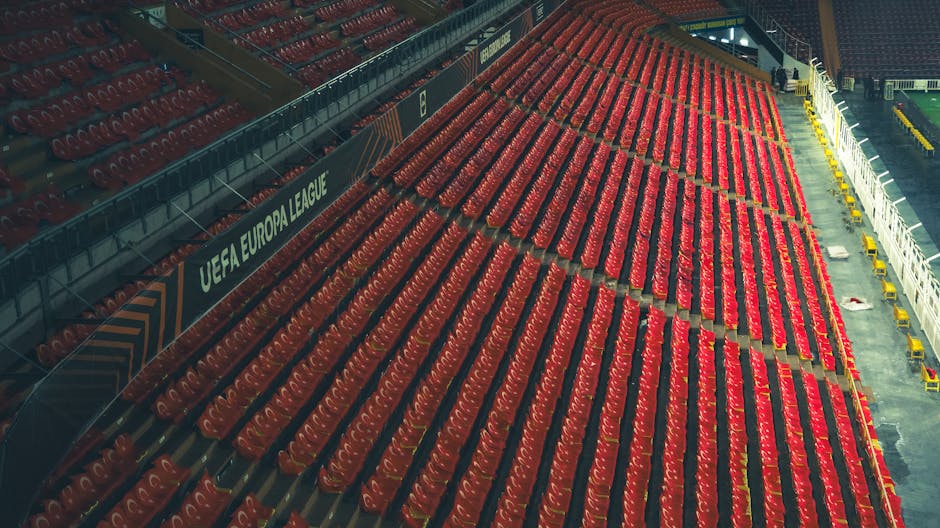
- UEFA has extended its competition ban on Russian teams and clubs for the 2026/27 season due to ongoing concerns in Ukraine.
- The ban affects both national and club teams, impacting their ability to compete in the Champions League and Europa League.
- UEFA’s decision reflects its commitment to upholding its values and ensuring the integrity of its competitions.
- The ban extension is likely to have significant implications for Russian football, affecting teams’ competitive edge and financial stability.
- The decision highlights the broader geopolitical tensions and the role of sports in international relations.
The Union of European Football Associations (UEFA) has extended its competition ban on Russian teams and clubs for the 2026/27 season, citing ongoing concerns related to the conflict in Ukraine. This decision means Russian football teams will miss out on another year of European competition, including the Champions League and Europa League. The ban affects not only the national teams but also club teams, impacting their ability to compete at the highest European level. As the situation in Ukraine continues to unfold, UEFA’s decision reflects the organization’s commitment to upholding its values and ensuring the integrity of its competitions.
Background to the Ban

UEFA initially imposed the ban in response to Russia’s actions in Ukraine, aiming to isolate Russian football from international competitions as a form of sanction. The extension of this ban into the 2026/27 season indicates that UEFA believes the conditions that led to the initial ban have not sufficiently changed. This decision is likely to have significant implications for Russian football, affecting not only the teams’ competitive edge but also their financial stability and appeal to fans and sponsors. The ban also reflects the broader geopolitical tensions and the role of sports in international relations, highlighting how political conflicts can have far-reaching consequences beyond the political arena.
Evidence and Reactions

UEFA’s decision is supported by various European football associations and is seen as a measure to maintain the unity and solidarity of the European football community. The ban has been met with mixed reactions, with some arguing it unfairly punishes athletes for the actions of their government, while others see it as a necessary step to pressure Russia to change its stance on Ukraine. According to Euronews, the extension of the ban underscores the ongoing impact of the conflict on sports and international relations. As the situation continues to evolve, it remains to be seen how Russian teams and the broader football community will respond to this extended ban.
Counter-Perspectives and Challenges

Some critics argue that sporting bans are ineffective in achieving political change and instead harm the athletes and fans who are not directly involved in the conflict. They suggest that such measures should be reconsidered, especially if they do not lead to tangible political outcomes. Additionally, there are concerns about the potential long-term effects on Russian football, including a decline in competitiveness and a loss of talent as players seek opportunities in other countries. These perspectives highlight the complexity of using sports as a tool for political leverage and the need for careful consideration of the consequences of such actions. For more information on the impact of political conflicts on sports, visit BBC Sport.
Real-World Impact

The extension of the UEFA ban will have concrete and immediate effects on Russian football. Teams will miss out on significant revenue from European competitions, and the lack of high-level competition may lead to a decline in player skills and team performance. Furthermore, this ban may impact the development of young players, as they will have fewer opportunities to compete against top European teams. The financial and sporting implications of this ban will be closely watched, as they may have long-term consequences for the viability and competitiveness of Russian football clubs in international competitions.
What This Means For You
For fans of European football, the extension of the UEFA ban on Russian teams means that the upcoming season will once again be without the participation of Russian clubs. This could lead to a shift in the dynamics of the competitions, with other teams potentially benefiting from the absence of Russian opponents. For those interested in the political aspects of sports, this decision highlights the significant role that international sporting organizations can play in responding to geopolitical conflicts and the challenges of balancing political statements with the interests of athletes and fans.
As the situation in Ukraine and the response of the international sports community continue to evolve, a key question remains: how will the extended ban affect the future of Russian football, and what steps can be taken to reintegrate Russian teams into European competitions? The answer to this question will depend on a complex interplay of political, sporting, and social factors, making the upcoming season a critical period for observation and analysis.
Source: Reddit