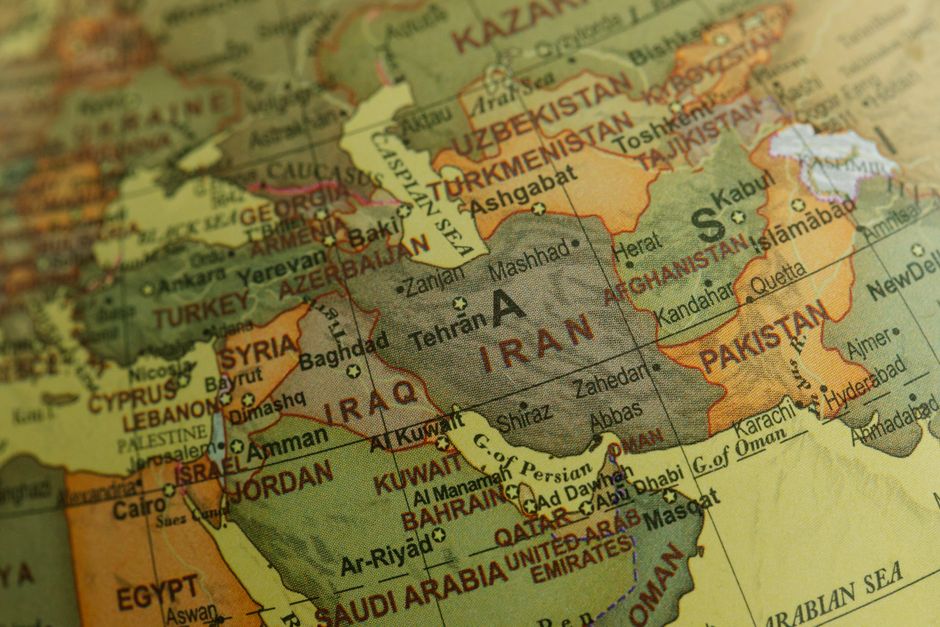
- Tensions between Iran and Israel dramatically escalated on June 7, 2026, with 15 missiles launched near the Israeli border.
- This event raises significant concerns about a potential large-scale conflict between Iran and Israel, impacting regional stability.
- The decades-long conflict is fueled by Iran’s military growth, Israeli worries about Iran’s nuclear program, and regional power dynamics.
- Historical proxy wars and skirmishes have characterized the relationship, setting the stage for this latest concerning development.
- The involvement of global powers like the United States, a key ally of Israel, adds complexity to the escalating situation.
The conflict between Iran and Israel has intensified, with 15 missiles launched near the Israeli border, sparking widespread concern over the escalating tensions in the Middle East. The incident occurred on June 7, 2026, according to reports from the New York Times, and has raised fears of a potential large-scale conflict between the two nations. The main entity involved, Iran, has been at odds with Israel for decades, and this recent development has significant implications for global security and stability.
Background and Historical Context

The Iran-Israel conflict has a long and complex history, with both countries engaging in a series of proxy wars and skirmishes over the years. The current escalation can be attributed to a combination of factors, including Iran’s growing military presence in the region, Israel’s concerns over Iran’s nuclear program, and the ongoing power struggle in the Middle East. The situation has been further complicated by the involvement of other global powers, including the United States, which has historically been a key ally of Israel. As the conflict continues to unfold, it is essential to understand the historical context and the various factors that have contributed to the current state of tensions.
Key Details of the Conflict

The latest incident involves the launch of 15 missiles near the Israeli border, which has been condemned by Israel and its allies as a provocative and aggressive act. The Iranian government has stated that the missiles were launched in response to Israeli aggression, while Israel has maintained that it is acting in self-defense. The conflict has also drawn in other countries in the region, including Lebanon and Syria, which have been affected by the ongoing violence. As the situation continues to deteriorate, there are growing concerns over the potential for a larger conflict that could draw in other global powers.
Analysis of the Conflict

Experts have warned that the current escalation of tensions between Iran and Israel has the potential to lead to a larger conflict, with significant implications for global security and stability. The conflict has been fueled by a combination of factors, including the growing military presence of Iran in the region, Israel’s concerns over Iran’s nuclear program, and the ongoing power struggle in the Middle East. According to reports from the BBC, the situation has been further complicated by the involvement of other global powers, including the United States, which has historically been a key ally of Israel. As the conflict continues to unfold, it is essential to understand the various factors that have contributed to the current state of tensions and the potential implications for the region and the world.
Implications of the Conflict

The escalating tensions between Iran and Israel have significant implications for the region and the world. The conflict has the potential to lead to a larger war, which could draw in other global powers and have devastating consequences for the people of the region. The conflict also has significant implications for global security and stability, as it has the potential to disrupt oil supplies and lead to a wider conflict in the Middle East. As the situation continues to deteriorate, it is essential to understand the implications of the conflict and the potential consequences for the region and the world.
Expert Perspectives
Experts have offered contrasting viewpoints on the conflict, with some warning of the potential for a larger war and others calling for calm and diplomacy. According to reports from Reuters, some experts have warned that the conflict has the potential to lead to a wider war in the Middle East, while others have called for a peaceful resolution to the conflict. As the situation continues to unfold, it is essential to consider the various perspectives and potential solutions to the conflict.
As the conflict between Iran and Israel continues to escalate, it is essential to watch for further developments and potential flashpoints in the region. The situation has significant implications for global security and stability, and it is essential to understand the various factors that have contributed to the current state of tensions. One open question is how the international community will respond to the escalating tensions, and whether diplomatic efforts will be successful in resolving the conflict peacefully. As the situation continues to unfold, it is essential to stay informed and up-to-date on the latest developments in the region.
Source: The New York Times