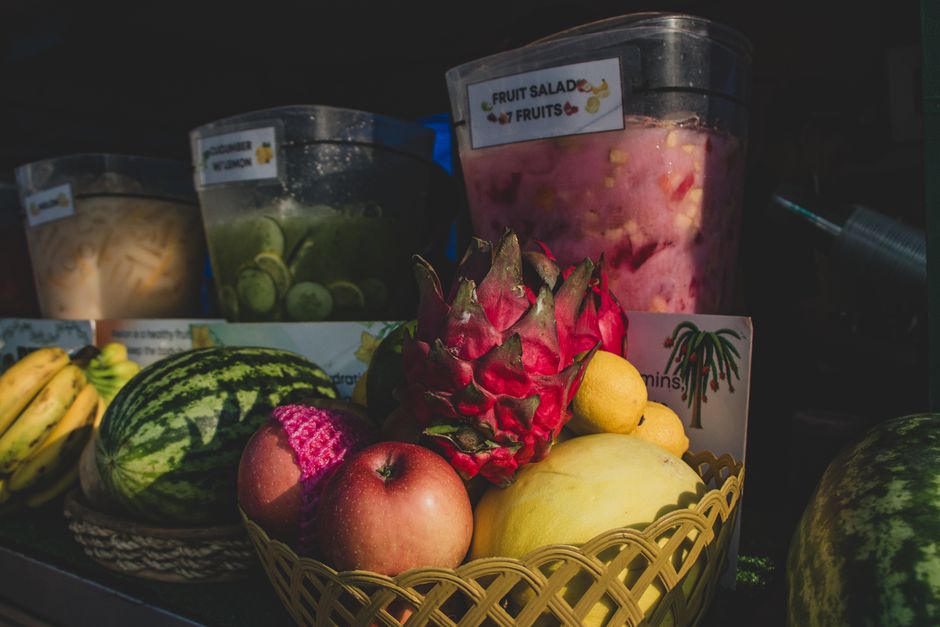
- Consuming specific fruits and vegetables, such as blueberries, plums, and blackberries, can significantly reduce the risk of heart disease.
- A diet rich in fruits and vegetables has been shown to reduce the risk of heart disease and other chronic conditions.
- Not all fruits and vegetables are created equal, with certain types being more beneficial for heart health.
- Fruits and vegetables high in flavanols may be particularly beneficial for reducing heart disease risk.
- Meeting the recommended daily intake of flavanols can have a positive impact on heart health.
A new study has found that consuming specific fruits and vegetables, such as blueberries, plums, and blackberries, can significantly reduce the risk of heart disease. The research, conducted by scientists from the University of Reading, Harvard Medical School, the University of California Davis, and Mars, Inc., suggests that incorporating these foods into your daily diet can have a positive impact on heart health. The study’s findings are particularly relevant, given that fewer than one in five people currently meet the recommended daily intake of flavanols, which are compounds found in certain fruits and vegetables that have been shown to reduce the risk of heart disease.
Understanding the Importance of Fruits and Vegetables

The importance of fruits and vegetables in maintaining a healthy heart cannot be overstated. A diet rich in these foods has been consistently shown to reduce the risk of heart disease, as well as other chronic conditions such as diabetes and certain types of cancer. The UK’s NHS recommends consuming at least five 80g portions of fruit and vegetables per day, but the new research suggests that not all fruits and vegetables are created equal. Certain types, such as those high in flavanols, may be particularly beneficial for heart health. By understanding which fruits and vegetables are most beneficial, individuals can make informed choices about their diet and reduce their risk of heart disease.
Key Findings of the Study

The study found that consuming a diet rich in flavanols, which are found in foods such as blueberries, plums, and blackberries, can significantly reduce the risk of heart disease. The researchers also found that drinking green tea in conjunction with these foods can enhance their beneficial effects. The study’s findings are significant, given that heart disease is one of the leading causes of death worldwide. By identifying specific foods that can help reduce the risk of heart disease, the researchers hope to provide individuals with a simple and effective way to improve their heart health. The study’s results also highlight the importance of considering the overall quality of one’s diet, rather than just the quantity of fruits and vegetables consumed.
Analyzing the Causes and Effects

The study’s findings suggest that the beneficial effects of flavanols on heart health are due to their ability to improve blood flow and reduce inflammation. The researchers found that individuals who consumed a diet rich in flavanols had improved blood vessel function and lower levels of inflammatory markers, which are both associated with a reduced risk of heart disease. The study’s results also suggest that the effects of flavanols on heart health may be enhanced by other lifestyle factors, such as regular exercise and not smoking. By understanding the causes and effects of flavanol consumption on heart health, individuals can make informed choices about their diet and lifestyle to reduce their risk of heart disease.
Implications of the Study

The study’s findings have significant implications for public health policy and individual behavior. The researchers hope that their results will encourage individuals to make informed choices about their diet and lifestyle to reduce their risk of heart disease. The study’s findings also highlight the importance of considering the overall quality of one’s diet, rather than just the quantity of fruits and vegetables consumed. By promoting the consumption of flavanol-rich foods, such as blueberries and plums, policymakers and healthcare professionals can help reduce the burden of heart disease on individuals and society as a whole. Furthermore, the study’s results suggest that even small changes to one’s diet, such as incorporating a daily serving of flavanol-rich foods, can have a significant impact on heart health.
Expert Perspectives
Experts in the field of nutrition and cardiology have welcomed the study’s findings, highlighting the importance of a balanced diet in maintaining heart health. According to NHS guidelines, a healthy diet should include a variety of fruits and vegetables, as well as whole grains and lean protein sources. The study’s results also suggest that individuals should be mindful of the types of fruits and vegetables they consume, opting for those that are rich in flavanols. As noted by the World Health Organization, a healthy diet is essential for maintaining overall health and reducing the risk of chronic diseases.
Looking to the future, the study’s findings raise important questions about the role of diet in maintaining heart health. As the global burden of heart disease continues to grow, it is essential that individuals, policymakers, and healthcare professionals work together to promote healthy diets and lifestyles. By doing so, we can reduce the risk of heart disease and improve overall health outcomes. One key area of focus will be to increase access to flavanol-rich foods, particularly in low-income communities where heart disease is often most prevalent. Additionally, further research is needed to fully understand the effects of flavanol consumption on heart health and to identify other dietary factors that may play a role in reducing the risk of heart disease.
Source: MedicalXpress