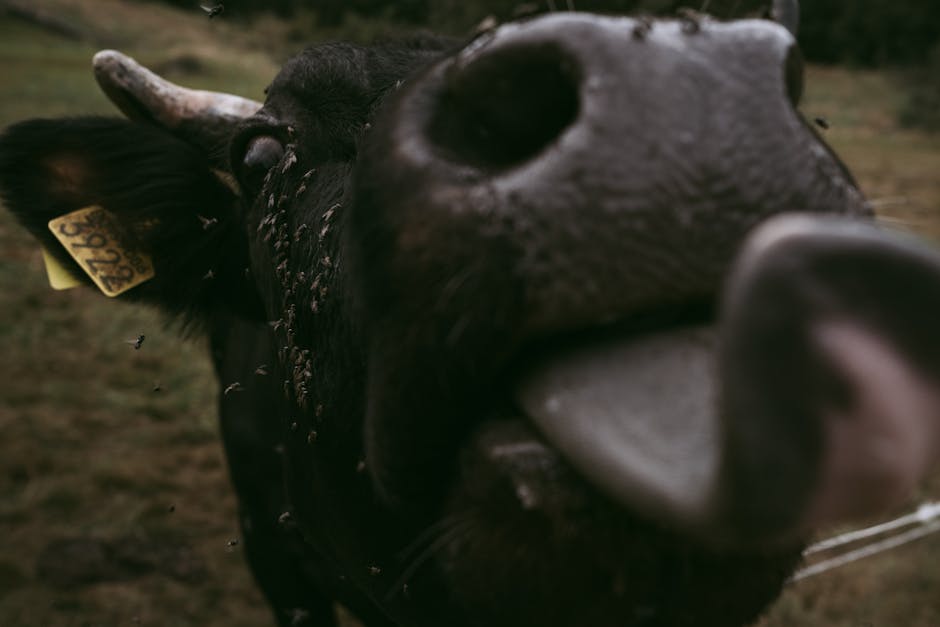
- The USDA has confirmed a second case of New World screwworm in Texas, threatening animal health and the livestock industry.
- The screwworm parasite feeds on living tissue, causing severe wounds that can be fatal if left untreated.
- The USDA has implemented emergency measures to contain the outbreak, including restricting livestock movement in affected areas.
- Canada has restricted livestock imports from the US due to concerns over screwworm transmission.
- The screwworm outbreak poses significant economic losses to the livestock industry, estimated at over $1 billion annually.
The United States Department of Agriculture (USDA) has confirmed a second case of New World screwworm in Texas, prompting Canada to restrict livestock imports from the US. The screwworm, which feeds on the living tissue of warm-blooded animals, poses a significant threat to animal health and the livestock industry. The USDA has implemented emergency measures to contain the outbreak, including restricting the movement of livestock in affected areas.
Evidence of the Outbreak

According to the USDA, the second case of screwworm was confirmed in a livestock animal in Texas, marking the first time the parasite has been detected in the US in over 30 years. The agency has reported that the screwworm larvae feed on the living tissue of warm-blooded animals, creating severe wounds that can be fatal if left untreated. The USDA has cited data from the Centers for Disease Control and Prevention (CDC), which indicates that the screwworm can cause significant economic losses to the livestock industry, with estimated annual losses of over $1 billion.
Key Players in the Outbreak

The USDA, the CDC, and the Canadian Food Inspection Agency (CFIA) are key players in responding to the screwworm outbreak. The USDA has implemented emergency measures to contain the outbreak, while the CDC is providing technical assistance to the agency. The CFIA has restricted livestock imports from the US, citing concerns over the risk of screwworm transmission. Other stakeholders, including livestock owners and veterinarians, are also playing a critical role in responding to the outbreak, with many reporting cases of suspected screwworm infestation to the authorities.
Trade-Offs in Responding to the Outbreak

The response to the screwworm outbreak involves significant trade-offs, including the restriction of livestock movement and the implementation of emergency measures to contain the outbreak. While these measures are necessary to prevent the spread of the parasite, they also impose significant costs on the livestock industry, including losses due to restricted movement and the cost of implementing control measures. On the other hand, the failure to respond effectively to the outbreak could result in significant economic losses and animal suffering, highlighting the need for a balanced approach to managing the outbreak. For more information on the screwworm outbreak, visit the USDA website.
Timing of the Outbreak

The timing of the screwworm outbreak is critical, with the USDA confirming the second case in Texas during the peak livestock breeding season. The outbreak poses a significant threat to animal health, particularly during this period, highlighting the need for swift and effective action to contain the parasite. The USDA has reported that the screwworm can spread quickly, particularly in warm and humid climates, making it essential to implement control measures promptly. For more information on the screwworm, visit the CDC website.
Where We Go From Here
Over the next 6-12 months, three scenarios are possible in responding to the screwworm outbreak. Firstly, the USDA may be able to contain the outbreak through emergency measures, including the restriction of livestock movement and the implementation of control measures. Secondly, the outbreak may spread to other states, requiring a more comprehensive response from the USDA and other stakeholders. Thirdly, the outbreak may be eradicated through the implementation of effective control measures, including the use of insecticides and other treatments. Regardless of the scenario, it is essential to continue monitoring the outbreak and responding swiftly to any changes in the situation.
In conclusion, the US confirmation of a second Texas screwworm case, and Canada’s subsequent restriction of livestock imports, highlights the significant threat posed by the parasite to animal health and the livestock industry, and the need for swift and effective action to contain the outbreak.
Source: CNBC