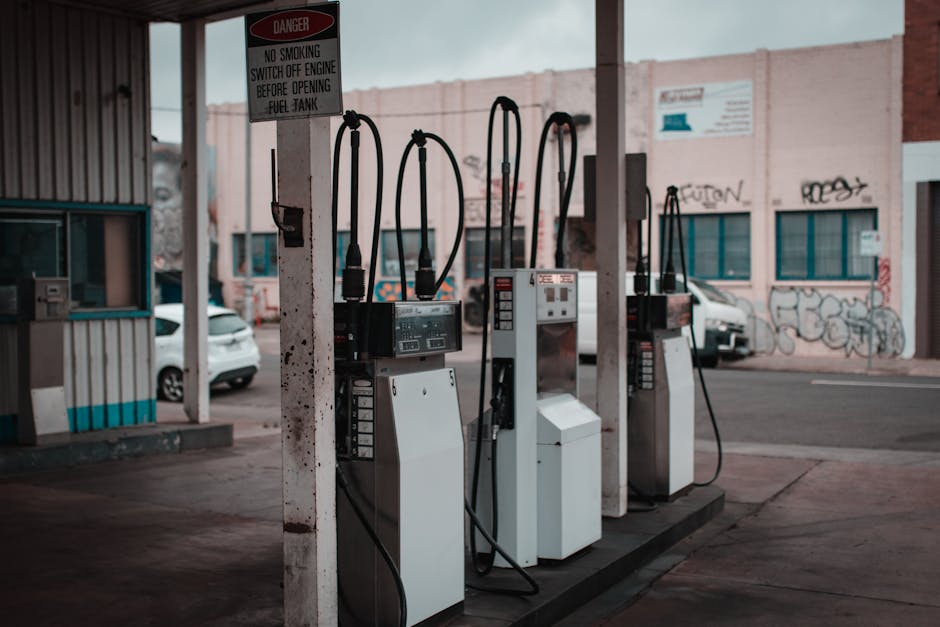
- Consumers are filling up gas tanks more frequently due to anticipation of higher prices, affecting daily lives and budgets.
- High gas prices are leading to changes in consumer spending habits, with a focus on reducing discretionary spending.
- The national average of $4 per gallon has historically been a tipping point for consumer behavior, triggering changes in spending habits.
- Consumers are adjusting their daily routines to reduce gas consumption and mitigate the effects of inflation on household budgets.
- Previous instances of high gas prices have led to increased demand for fuel-efficient vehicles, and the current situation is no exception.
US consumers, particularly Costco members, are filling up their gas tanks more frequently in anticipation of further price hikes, as $4 gas becomes a harsh reality, affecting their daily lives and budgets, with many trying to maintain a sense of normalcy despite the added expense, according to a recent report from Fortune.
Current State of Consumer Spending

The current situation is marked by a sense of resilience among consumers, who are attempting to navigate the challenges posed by high gas prices, with many adjusting their spending habits to accommodate the increased cost, and some even changing their daily routines to reduce their gas consumption, in an effort to mitigate the effects of inflation on their household budgets, as gas prices continue to surge, with the national average reaching $4 per gallon, a threshold that has historically been a tipping point for consumer behavior.
Historical Context of Gas Prices and Consumer Behavior

The story behind the current state of consumer spending is rooted in the historical context of gas prices and their impact on consumer behavior, with previous instances of high gas prices leading to changes in spending habits, such as reduced discretionary spending and increased demand for fuel-efficient vehicles, and the current situation is no exception, as consumers are once again being forced to reevaluate their budgets and adjust their behavior in response to the rising cost of gas, which has become a major factor in their daily lives, with many feeling the strain of increased expenses, as BBC News has reported.
Key Players in the Consumer Spending Landscape

The key players in the consumer spending landscape, including retailers, consumers, and policymakers, are all being impacted by the high gas prices, with retailers such as Costco seeing changes in consumer behavior, as members fill up their tanks more frequently, and policymakers being forced to consider the implications of high gas prices on the broader economy, and consumers, who are at the center of the issue, are trying to navigate the challenges posed by the rising cost of gas, with many feeling the strain of increased expenses, and some even changing their daily routines to reduce their gas consumption, in an effort to maintain a sense of normalcy despite the added expense.
Consequences of High Gas Prices

The consequences of high gas prices are far-reaching, with impacts on consumer budgets, retailer sales, and the broader economy, as the increased cost of gas reduces disposable income, leading to decreased spending on discretionary items, and potentially even affecting economic growth, as consumers become more cautious with their spending, and retailers see changes in consumer behavior, with some even offering discounts and promotions to help offset the increased cost of gas, and policymakers being forced to consider the implications of high gas prices on the economy, and the potential need for policy interventions to mitigate the effects of high gas prices on consumers and the economy.
The Bigger Picture
The high gas prices and their impact on consumer spending are part of a broader economic landscape, marked by inflation, supply chain disruptions, and economic uncertainty, with the rising cost of gas being just one of many factors affecting consumer budgets, and the current situation highlighting the need for consumers, retailers, and policymakers to be aware of the interconnectedness of the economy, and the potential for one factor, such as gas prices, to have far-reaching impacts on the broader economy, as reported by Reuters.
The situation is likely to continue evolving, with gas prices remaining a major factor in consumer spending, and policymakers, retailers, and consumers all playing a role in shaping the outcome, as they navigate the challenges posed by high gas prices, and work towards finding solutions to mitigate the effects of inflation on household budgets, and the economy as a whole, with the next few months likely to be crucial in determining the trajectory of consumer spending, and the potential for economic growth, or contraction, in the face of high gas prices and inflation.
Source: Fortune