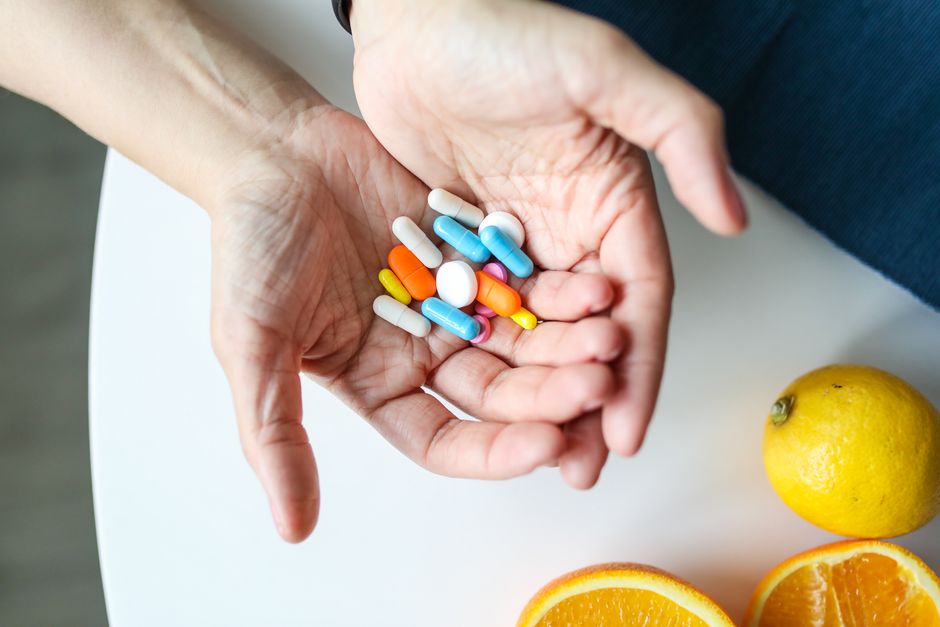
- Seniors often have specific vitamin deficiencies that can be addressed with targeted nutrition.
- Vitamins B12 and D are essential for maintaining energy levels, bone health, and immune function.
- Protein is critical for building and repairing muscles, which is particularly important for seniors at risk of sarcopenia.
- A balanced diet with adequate protein can help prevent age-related muscle loss.
- Supplements can be beneficial when they address a specific deficiency, such as vitamin deficiencies.
As the global population ages, the market for supplements has exploded, with many products promising to improve health and wellbeing in older adults. But do these supplements really deliver, and which ones are truly necessary? The answer lies in understanding the specific nutritional needs of seniors and the potential risks of over-supplementation. For instance, vitamin deficiencies can have serious consequences, making targeted nutrition crucial.
What do older adults really need?

When it comes to supplements, older adults often have specific deficiencies that need to be addressed. Vitamins like B12 and D are essential for maintaining energy levels, bone health, and immune function. Protein is another critical nutrient, playing a vital role in building and repairing muscles, which is particularly important for seniors who may be at risk of sarcopenia, a condition characterized by age-related muscle loss. According to World Health Organization guidelines, a balanced diet that includes adequate protein can help prevent this condition.
The evidence behind supplement effectiveness

Studies have consistently shown that supplements can be beneficial when they address a specific deficiency. For example, research has found that vitamin D supplements can help prevent fractures in older adults with low levels of this vitamin. Similarly, protein supplements have been shown to improve muscle mass and strength in seniors who are malnourished or have difficulty consuming enough protein through their diet. However, it’s essential to consult with a healthcare professional before starting any supplement regimen, as they can interact with medications or have adverse effects in certain individuals.
Counter-perspectives and potential risks

While supplements can be beneficial, there are also potential risks to consider. Some supplements, such as vitamin A and E, can be toxic in high doses, and others may interact with medications or exacerbate underlying health conditions. Moreover, the supplement industry is largely unregulated, which means that the quality and efficacy of products can vary widely. As such, it’s crucial for older adults to approach supplements with caution and consult with a healthcare professional before adding any new products to their regimen.
Real-world impact and consequences

The consequences of inappropriate supplement use can be severe. For instance, taking high doses of certain vitamins or minerals can lead to adverse health effects, such as gastrointestinal problems, kidney damage, or even increased risk of certain cancers. Furthermore, the financial burden of unnecessary supplement use can be substantial, with billions of dollars spent annually on products that may not provide any tangible health benefits. By being informed and discerning, older adults can avoid these pitfalls and focus on evidence-based approaches to maintaining their health and wellbeing.
What This Means For You
So, what can older adults do to ensure they’re getting the nutrients they need without exposing themselves to unnecessary risks? The key is to consult with a healthcare professional to determine whether supplements are necessary and, if so, which ones are most appropriate. Additionally, focusing on a balanced diet that includes a variety of whole foods can help provide essential nutrients and minimize the need for supplements. By taking a targeted and informed approach to nutrition, seniors can optimize their health and wellbeing while avoiding the potential pitfalls of over-supplementation.
As the supplement industry continues to evolve, it’s essential for older adults to stay informed and critically evaluate the products and claims on the market. By doing so, they can make empowered decisions about their health and wellbeing, avoiding unnecessary risks and focusing on evidence-based approaches that truly support their nutritional needs. What will be the next breakthrough in senior nutrition, and how will it impact the way we approach healthy aging?
Source: ScienceDaily