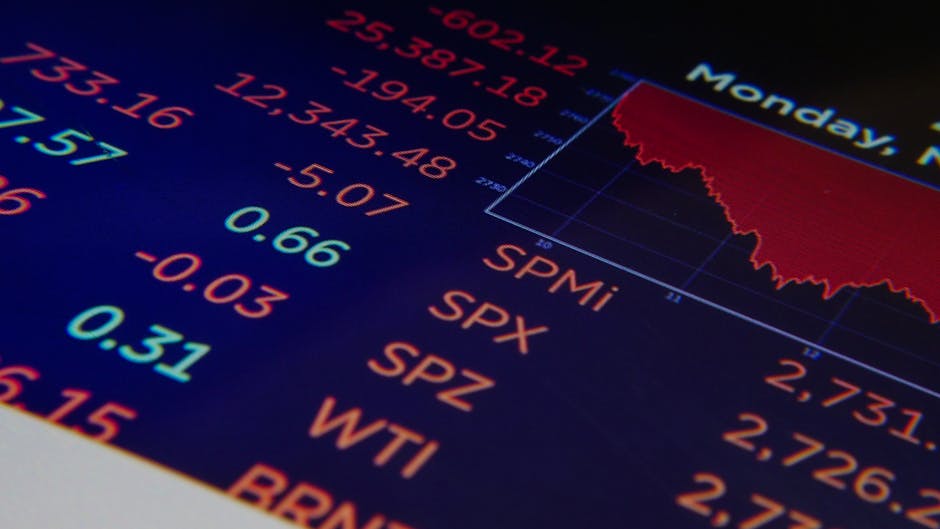
- Global markets are experiencing turmoil as the Iran conflict reaches its 100th day, with investors watching for its impact on stocks, bonds, and oil prices.
- Oil prices have risen over 10% since the start of the conflict, affecting the global economy and causing higher energy costs for many countries.
- The Iran conflict has led to a decline in investor sentiment, with many opting for safer assets like bonds and gold.
- Economic growth forecasts have declined due to the conflict, with the International Monetary Fund warning of a potential slowdown in global economic growth.
- Investors and policymakers must closely monitor the situation as the conflict continues to pose challenges for the global economy.
The Iran conflict is about to reach its 100th day, with the global economy and markets feeling the strain. As peace negotiations hang in the balance, investors are closely watching the situation, trying to gauge its impact on stocks, bonds, and oil prices. The conflict has already led to a significant increase in oil prices, with CNBC reporting a rise of over 10% since the start of the conflict. This has had a ripple effect on the global economy, with many countries feeling the pinch of higher energy costs.
Background and Context

The Iran conflict has been a major concern for the global economy, with many analysts warning of its potential to disrupt trade and investment flows. The conflict has already led to a decline in investor sentiment, with many investors opting for safer assets such as bonds and gold. The situation has also led to a decline in economic growth forecasts, with the International Monetary Fund warning of a potential slowdown in global economic growth. As the conflict continues, it is likely that the global economy will face further challenges, making it essential for investors and policymakers to closely monitor the situation.
Key Developments and Players

The Iran conflict has involved several key players, including the United States, Iran, and other regional countries. The conflict has been marked by a series of escalations, including the targeting of oil tankers and the downing of a US drone. The situation has also been complicated by the involvement of other countries, including China and Russia, which have significant economic interests in the region. As the conflict continues, it is likely that these players will continue to play a major role in shaping the outcome, with significant implications for the global economy.
Analysis and Implications

Analysts have warned that the Iran conflict could have significant implications for the global economy, particularly if it leads to a disruption in oil supplies. The conflict has already led to a significant increase in oil prices, which has had a major impact on the economies of many countries. The situation has also led to a decline in investor sentiment, with many investors opting for safer assets. As the conflict continues, it is likely that the global economy will face further challenges, making it essential for policymakers to develop strategies to mitigate the impact of the conflict.
Economic Fallout and Consequences

The Iran conflict has already had a significant impact on the global economy, with many countries feeling the effects of higher energy costs. The conflict has also led to a decline in economic growth forecasts, with the World Bank warning of a potential slowdown in global economic growth. As the conflict continues, it is likely that the global economy will face further challenges, making it essential for policymakers to develop strategies to mitigate the impact of the conflict. The situation has also highlighted the need for greater investment in renewable energy sources, which could help to reduce the dependence on oil and mitigate the impact of future conflicts.
Expert Perspectives
Experts have offered contrasting viewpoints on the Iran conflict and its implications for the global economy. Some have warned that the conflict could lead to a significant disruption in oil supplies, which could have a major impact on the economies of many countries. Others have argued that the conflict is unlikely to have a significant impact on the global economy, pointing to the resilience of global markets and the ability of policymakers to develop strategies to mitigate the impact of the conflict. As the situation continues to evolve, it is likely that experts will continue to offer differing perspectives on the implications of the conflict.
Looking ahead, it is essential for investors and policymakers to closely monitor the situation in Iran, as the conflict continues to unfold. The situation has significant implications for the global economy, and it is likely that the conflict will continue to be a major concern for investors and policymakers in the coming months. As the conflict reaches its 100th day, it is likely that the global economy will face further challenges, making it essential for policymakers to develop strategies to mitigate the impact of the conflict and ensure that the global economy remains resilient in the face of uncertainty.
Source: CNBC