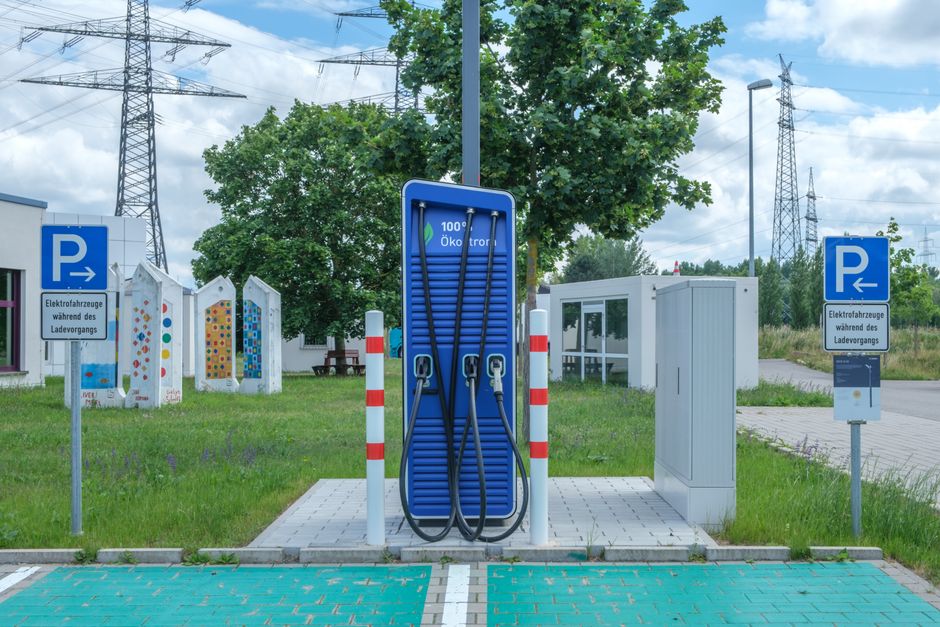
- Petrol prices in the UK have surged 20% in 2024, reaching £1.58 a litre, prompting a shift towards electric vehicles.
- Electric vehicles are becoming a cost-effective alternative to fuel-guzzling cars, especially with the UK government’s 2030 ban on new petrol and diesel cars.
- The UK government’s incentives and cost savings have made electric vehicles an increasingly popular choice for environmentally friendly transportation.
- The growing demand for electric vehicles has led to a shortage in supply, with many manufacturers struggling to keep up with orders.
- As fuel prices continue to rise, electric vehicles are poised to become the future of transportation, offering significant cost savings and environmental benefits.
As petrol prices in the UK reach £1.58 a litre, a 20% increase since the start of the year, many are turning to electric vehicles as a cost-effective alternative. With the cost of fueling a car becoming increasingly expensive, the question on everyone’s mind is: are electric vehicles the future of transportation? The surge in fuel prices has made electric vehicles an attractive option for those looking to save money on fuel costs.
What’s Driving the Shift to Electric Vehicles?

The main factor driving the shift to electric vehicles is the significant increase in fuel prices. As the cost of petrol continues to rise, electric vehicles are becoming a more viable option for many. Additionally, the UK government’s plans to ban the sale of new petrol and diesel cars by 2030 have also contributed to the growing interest in electric vehicles. With the cost savings and government incentives, electric vehicles are becoming an increasingly popular choice for those looking for a more affordable and environmentally friendly mode of transportation.
Supporting Evidence for the Electric Vehicle Surge

According to a report by the Financial Times, the number of electric vehicles on the road in the UK has increased significantly in recent years. The report also highlights the growing demand for electric vehicles, with many manufacturers struggling to keep up with orders. Furthermore, a study by the Reuters found that the cost of owning an electric vehicle is significantly lower than that of a petrol-powered car, with savings of up to £1,000 per year on fuel costs alone.
Counter-Perspectives on the Electric Vehicle Boom

Despite the growing popularity of electric vehicles, there are still some concerns about their viability. Some argue that the high upfront cost of electric vehicles is a significant barrier to adoption, while others point out that the limited range and charging infrastructure of electric vehicles make them less practical for long-distance travel. However, as technology continues to improve and the cost of electric vehicles decreases, these concerns are becoming less significant. Additionally, the UK government’s investment in charging infrastructure is helping to address the issue of limited charging points.
Real-World Impact of the Electric Vehicle Surge

The surge in electric vehicle adoption is having a significant impact on the environment and the economy. With fewer petrol-powered cars on the road, air pollution is decreasing, and the UK is moving closer to its goal of becoming a net-zero emitter of greenhouse gases. Additionally, the electric vehicle industry is creating new job opportunities and stimulating economic growth. For example, a recent study found that the electric vehicle industry could support up to 100,000 jobs in the UK by 2030.
What This Means For You
The shift to electric vehicles is not just a trend, but a significant change in the way we think about transportation. As fuel prices continue to rise, electric vehicles are becoming an increasingly attractive option for those looking to save money and reduce their environmental impact. Whether you’re a consumer or a business, it’s essential to consider the benefits and drawbacks of electric vehicles and how they can fit into your lifestyle or operations.
As the UK continues to transition to a more sustainable transportation system, the question remains: what’s next for the electric vehicle industry? Will the government’s plans to ban the sale of new petrol and diesel cars by 2030 be enough to drive adoption, or will other factors come into play? As the industry continues to evolve, it’s crucial to stay informed and consider the potential implications of this shift on our daily lives and the environment.
Source: Financial Times