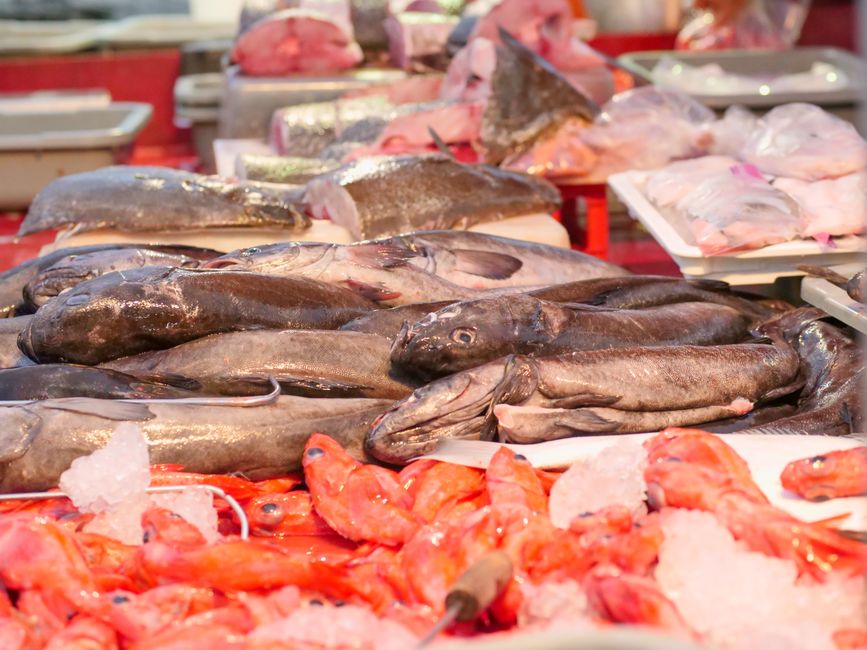
- The price of cod has surged by 30% in the UK, forcing fish and chip shops to adapt to maintain profitability.
- Many shops are turning to alternative species, such as haddock or pollock, to meet customer demand and reduce costs.
- The industry is shifting towards more sustainable and responsible fishing practices, with certified sustainable seafood becoming a trend.
- The increased cost of cod is attributed to overfishing and changes in global demand, impacting the entire supply chain.
- Fish and chip shops are being forced to raise prices or reduce profit margins to cope with the rising cost of cod.
The UK’s fish and chip shops are being forced to adapt to a massive price rise in cod, with many turning to new species to stay afloat. The price of cod has increased significantly, leading experts to describe it as ‘white gold’. This change is having a significant impact on the industry, with many shops struggling to maintain profitability. The rise in cod prices is attributed to a combination of factors, including overfishing and changes in global demand. As a result, fish and chip shops are being forced to explore alternative species to meet customer demand.
Current State of the Industry

The current situation in the UK’s fish and chip industry is one of uncertainty and adaptation. Many shops are struggling to cope with the increased cost of cod, with some being forced to raise their prices or reduce their profit margins. Others are turning to new species, such as haddock or pollock, in an attempt to maintain their customer base. The industry is also seeing a shift towards more sustainable and responsible fishing practices, with many shops opting for certified sustainable seafood. However, this shift is not without its challenges, and many shops are facing difficulties in sourcing high-quality, sustainable seafood at a reasonable price.
A History of Cod in the UK

The story behind the UK’s love of cod is a long and complex one. For decades, cod has been a staple of the UK’s fish and chip industry, with many shops relying on it as their primary source of income. However, overfishing and changes in global demand have led to a significant decline in cod stocks, resulting in increased prices and reduced availability. The UK’s fishing industry has also been impacted by Brexit, with many shops facing new challenges in sourcing seafood from EU countries. Despite these challenges, the industry remains committed to providing high-quality seafood to its customers, and many shops are exploring new and innovative ways to do so.
Key Players in the Industry

The people shaping the UK’s fish and chip industry are a diverse and dedicated group. From shop owners and fishermen to suppliers and industry experts, many individuals are working tirelessly to ensure the long-term sustainability of the industry. These individuals are motivated by a desire to provide high-quality seafood to their customers, while also protecting the environment and supporting local communities. The industry is also seeing a new generation of entrepreneurs and innovators, who are bringing fresh ideas and perspectives to the table. For example, some shops are now offering sustainable seafood options, while others are exploring new ways to reduce waste and increase efficiency.
Consequences for Stakeholders

The consequences of the cod price rise are far-reaching and significant. For fish and chip shops, the increased cost of cod is a major challenge, with many facing reduced profit margins or even closure. For customers, the impact is also significant, with many facing higher prices or reduced choice. The industry as a whole is also facing challenges, with many suppliers and distributors struggling to cope with the increased demand for alternative species. However, there are also opportunities for innovation and growth, with many shops and suppliers exploring new and sustainable ways to meet customer demand. As the industry continues to evolve, it is likely that we will see a shift towards more sustainable and responsible fishing practices, with a focus on protecting the environment and supporting local communities.
The Bigger Picture
The cod price rise is not just a local issue, but a global one. The demand for seafood is increasing, driven by growing populations and changing consumer preferences. However, the world’s oceans are facing significant challenges, including overfishing, pollution, and climate change. The UK’s fish and chip industry is just one example of the impact of these challenges, with many other industries and communities around the world facing similar struggles. As we look to the future, it is clear that we need to take a more sustainable and responsible approach to fishing and seafood production, one that prioritizes the health of our oceans and the well-being of our communities. For more information on sustainable seafood, visit the Marine Conservation Society website.
As the UK’s fish and chip industry continues to evolve, it is likely that we will see a shift towards more sustainable and responsible fishing practices. This may involve a greater focus on certified sustainable seafood, as well as increased investment in innovative and environmentally-friendly technologies. Whatever the future holds, one thing is clear: the UK’s love of fish and chips is here to stay, and the industry will continue to adapt and innovate to meet the changing needs of its customers. With the right approach, it is possible to balance the needs of the industry with the need to protect our oceans and support local communities, ensuring a sustainable and prosperous future for all.
Source: BBC