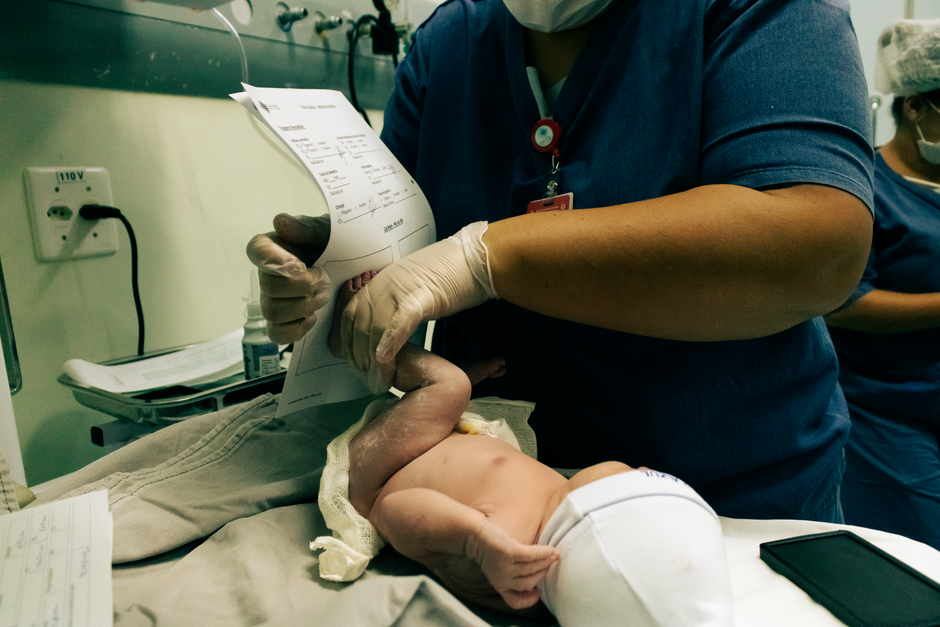
- A 20% rise in baby botulism cases has sparked a FDA investigation into the cause and prevention of the illness.
- The outbreak affects infants under 12 months and has been linked to three unnamed companies.
- No definitive cause has been determined, and the companies involved have pointed fingers at each other.
- Baby botulism is a rare but serious illness caused by a toxin produced by the bacterium Clostridium botulinum.
- The FDA remains committed to finding a solution and preventing future cases of baby botulism.
A recent outbreak of baby botulism has left the FDA scrambling to determine the cause and find a way to prevent future cases. The mysterious illness, which affects infants under the age of 12 months, has been linked to three companies, but none have taken responsibility for the outbreak. As the FDA continues to investigate, parents are left searching for answers and wondering how to keep their babies safe.
Current State of the Outbreak

The baby botulism outbreak has been ongoing for several months, with multiple cases reported across the United States. The FDA has been working to identify the source of the outbreak, but so far, no definitive cause has been determined. The three companies involved, which have not been named, have all pointed fingers at each other, leaving regulators and parents frustrated and confused. Despite the lack of progress, the FDA remains committed to finding a solution and preventing future cases.
A Brief History of Baby Botulism

Baby botulism, also known as infant botulism, is a rare but serious illness that affects infants under the age of 12 months. The condition is caused by a toxin produced by the bacterium Clostridium botulinum, which can be found in soil, dust, and other environmental sources. In the past, baby botulism was often associated with honey, which can contain spores of the bacterium. However, in recent years, the source of the outbreak has become increasingly mysterious, leaving regulators and scientists searching for answers.
Key Players in the Outbreak

The three companies involved in the outbreak have all denied responsibility, leaving many to wonder who is ultimately to blame. The FDA has been working closely with these companies to investigate the outbreak, but so far, no one has taken responsibility. The motivations behind the companies’ denials are unclear, but it is likely that they are trying to avoid liability and protect their reputations. As the investigation continues, it is likely that more information will come to light, and the companies involved will be held accountable.
Consequences of the Outbreak

The consequences of the baby botulism outbreak are severe and far-reaching. Infants who contract the illness can experience a range of symptoms, including weakness, paralysis, and respiratory failure. In severe cases, the illness can be life-threatening. The outbreak has also had a significant impact on parents, who are left feeling anxious and uncertain about how to keep their babies safe. The FDA’s inability to determine the cause of the outbreak has only added to the sense of uncertainty, leaving many to wonder if the regulator is doing enough to protect public health.
The Bigger Picture
The baby botulism outbreak highlights a larger issue with the regulation of food and consumer products in the United States. The FDA’s inability to determine the cause of the outbreak raises questions about the effectiveness of the regulator and its ability to protect public health. The outbreak also underscores the need for greater transparency and accountability in the food and consumer products industries. As the investigation continues, it is likely that the outbreak will have significant implications for the regulation of these industries and the way that companies are held accountable for their actions.
In the coming weeks and months, it is likely that more information will come to light about the baby botulism outbreak and the companies involved. The FDA will continue to investigate, and it is possible that new regulations or guidelines will be put in place to prevent future outbreaks. For now, parents are left to navigate a complex and uncertain landscape, searching for answers and trying to keep their babies safe. For more information on baby botulism, visit the CDC website or consult with a healthcare professional.
Source: Ars Technica