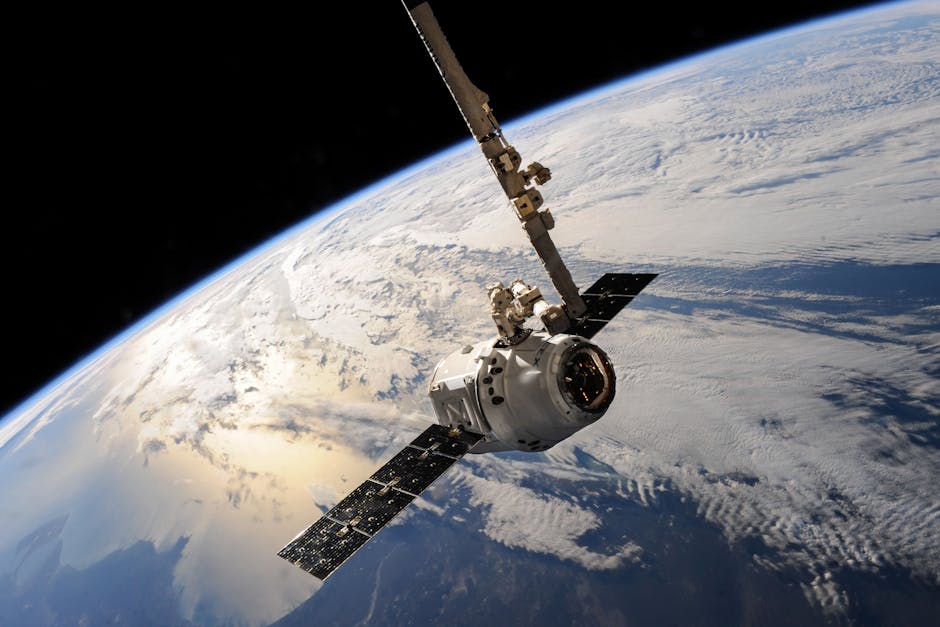
- Russian satellites have been disrupting GPS signals in Europe on dozens of occasions since 2019.
- The disruptions were caused by a combination of satellite tracking and signal analysis.
- The exact mechanism behind the GPS disruptions by Russian satellites is still not fully understood.
- The research highlights the potential for unintended consequences of satellite transmissions.
- The discovery of Russian satellites as the source of GPS disruptions has significant implications for European navigation systems.
What’s behind the mysterious disruptions to GPS signals across Europe? Scientists point to a network of Russian satellites, which they claim have caused brief disruptions to GPS signals on perhaps dozens of occasions since 2019. The finding has significant implications for European navigation systems, and raises questions about the potential for deliberate interference. As the world becomes increasingly reliant on GPS technology, understanding the cause of these disruptions is crucial for maintaining the integrity of navigation systems.
Uncovering the Source of GPS Disruptions

The discovery of Russian satellites as the source of GPS disruptions was made possible through a combination of satellite tracking and signal analysis. By monitoring the activity of Russian satellites, scientists were able to identify a pattern of brief disruptions to GPS signals that coincided with the satellites’ transmissions. This suggests that the Russian satellites are intentionally or unintentionally interfering with GPS signals, although the exact mechanism behind the disruptions is still not fully understood. The research highlights the complexity of the satellite environment and the potential for unintended consequences of satellite transmissions.
Evidence of GPS Disruptions

Researchers have gathered evidence of GPS disruptions from a variety of sources, including satellite tracking data and reports from navigation system operators. According to a report by Sky News, the disruptions have been detected on numerous occasions since 2019, with some instances lasting only a few minutes while others have persisted for several hours. The disruptions have been observed across Europe, with some countries experiencing more frequent disruptions than others. The data suggests that the Russian satellites are the likely cause of the disruptions, although further research is needed to confirm this hypothesis.
Counter-Perspectives and Alternative Explanations

While the evidence points to Russian satellites as the source of GPS disruptions, some experts have suggested alternative explanations for the phenomenon. For example, some have proposed that the disruptions could be caused by solar activity or other natural phenomena. However, these alternative explanations are not supported by the available data, which suggests a clear correlation between the Russian satellites’ transmissions and the GPS disruptions. Additionally, some have raised concerns about the potential for cyber attacks or other forms of intentional interference, although there is currently no evidence to support these claims.
Real-World Impact of GPS Disruptions

The GPS disruptions caused by Russian satellites have significant real-world implications, particularly for industries that rely heavily on navigation systems. For example, airlines and shipping companies use GPS to navigate, and disruptions to these systems could have serious safety implications. Additionally, GPS disruptions could also impact the operation of critical infrastructure, such as power grids and financial networks. As the use of GPS technology becomes increasingly widespread, the potential consequences of disruptions will only continue to grow, making it essential to address the issue and find a solution.
What This Means For You
So what do the GPS disruptions caused by Russian satellites mean for the average person? In the short term, the disruptions are unlikely to have a significant impact on daily life, as they are typically brief and do not affect the overall functionality of navigation systems. However, as the use of GPS technology becomes more widespread, the potential consequences of disruptions will only continue to grow. As such, it’s essential to stay informed about the issue and to support efforts to address the problem and prevent future disruptions.
As researchers continue to study the GPS disruptions caused by Russian satellites, one question remains: what’s next? Will the disruptions continue, or will a solution be found to prevent them? The answer to this question will depend on a variety of factors, including the actions of the Russian government and the international community. For now, one thing is clear: the GPS disruptions caused by Russian satellites are a serious issue that demands attention and action. For more information, visit Nature or Scientific American to stay up-to-date on the latest developments.
Source: News