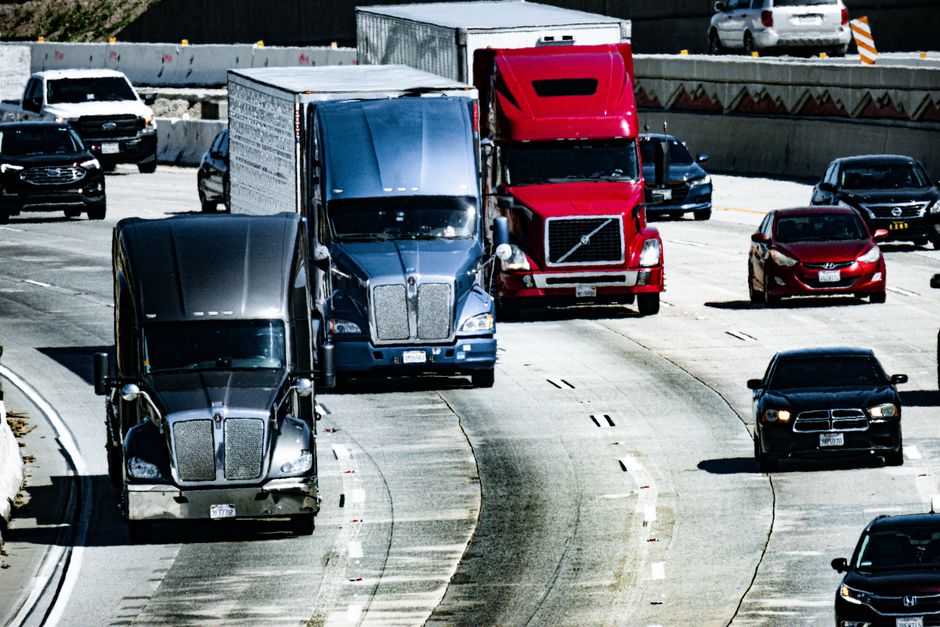
- American automakers see fuel-guzzling trucks as lucrative due to high-profit margins and loyal customer base.
- Trucks evoke a sense of independence and connection to rural life, outdoor activities, and American culture.
- Ram’s muscle trucks target men who value power, capability, and symbolic significance.
- The auto industry’s shift in consumer preferences, regulatory pressures, and economic uncertainty is uncertain.
- Marketing plays a significant role in shaping consumer behavior, particularly for American automakers like Ram.
Why are American automakers like Ram continuing to produce and aggressively market fuel-guzzling trucks, despite soaring gas prices? The answer lies in the enduring appeal of these vehicles to American consumers, particularly men, who value their power, capability, and symbolic significance. With its new line of muscle trucks, Ram is doubling down on this trend, introducing the Ram Rumble Bee, a high-performance pickup that embodies the spirit of American excess. As the auto industry navigates a complex landscape of shifting consumer preferences, regulatory pressures, and economic uncertainty, Ram’s move raises important questions about the future of transportation and the role of marketing in shaping consumer behavior.
What’s Behind the Enduring Appeal of Trucks?

The popularity of trucks in the United States can be attributed to a combination of factors, including their practicality, versatility, and cultural significance. For many Americans, trucks represent a connection to rural life, outdoor activities, and a sense of independence. Moreover, the truck market has become increasingly lucrative, with high-profit margins and a loyal customer base. Ram’s decision to launch a new line of muscle trucks, therefore, is a strategic attempt to capitalize on this trend and further solidify its position in the market. By emphasizing the power, performance, and rugged individualism associated with these vehicles, Ram aims to create an emotional bond with its target audience and differentiate itself from competitors.
Marketing Muscle: How Ram is Selling its New Trucks

Ram’s marketing strategy for its new muscle trucks is characterized by a bold, in-your-face approach that leverages patriotic imagery, cowboy iconography, and a healthy dose of nostalgia. The company’s ads feature rugged, masculine landscapes, American flags, and vintage aesthetic elements, all designed to evoke a sense of national pride and nostalgia. This approach is rooted in a deep understanding of the cultural and symbolic significance of trucks in American society. By wrapping its products in the symbolism of American identity, Ram seeks to create a powerful emotional connection with its target audience and transcend the functional aspects of its vehicles. As reported by The New York Times, Ram’s marketing efforts are a testament to the enduring power of branding and the importance of cultural relevance in shaping consumer preferences.
Counter-Perspectives: The Critics’ View

Not everyone is convinced that Ram’s strategy will pay off, however. Critics argue that the company’s emphasis on fuel-guzzling trucks is out of touch with the growing demand for more sustainable, environmentally friendly vehicles. Additionally, some analysts question the long-term viability of the truck market, citing concerns about regulatory pressures, shifting consumer preferences, and the potential for disruption from electric vehicle manufacturers. From a cultural perspective, others see Ram’s marketing approach as a nostalgic appeal to a bygone era, one that ignores the complexities and nuances of modern American identity. As the auto industry continues to evolve, it remains to be seen whether Ram’s bet on muscle trucks will prove successful or if it will ultimately succumb to the pressures of a changing market.
Real-World Impact: What the Future Holds

The implications of Ram’s decision to launch a new line of muscle trucks extend far beyond the company itself, with potential consequences for the environment, the economy, and the broader auto industry. As the world’s largest economies transition towards more sustainable, low-carbon transportation systems, the continued production and marketing of fuel-guzzling vehicles raises important questions about the role of regulatory frameworks, consumer education, and industry leadership in shaping the future of mobility. Furthermore, the success or failure of Ram’s strategy will have significant implications for the company’s competitors, who must navigate a complex landscape of changing consumer preferences, technological innovation, and shifting market trends. As reported by Reuters, the auto industry is on the cusp of a major transformation, one that will require companies like Ram to adapt, innovate, and evolve in response to changing market conditions.
What This Means For You
So, what can consumers take away from Ram’s decision to launch a new line of muscle trucks? For one, it highlights the importance of understanding the cultural and symbolic significance of the products we buy, and the ways in which marketing can shape our perceptions and preferences. Additionally, it underscores the need for greater awareness and education about the environmental and social implications of our purchasing decisions, particularly when it comes to transportation. As consumers, we have the power to influence the direction of the auto industry, and to demand more sustainable, responsible products that align with our values and priorities.
As we look to the future, one question remains: will the allure of muscle trucks continue to dominate the American automotive landscape, or will shifting consumer preferences, regulatory pressures, and technological innovation ultimately give rise to a new era of sustainable, environmentally friendly transportation? Only time will tell, but one thing is certain – the fate of the auto industry, and the future of mobility itself, hangs in the balance.
Source: The New York Times