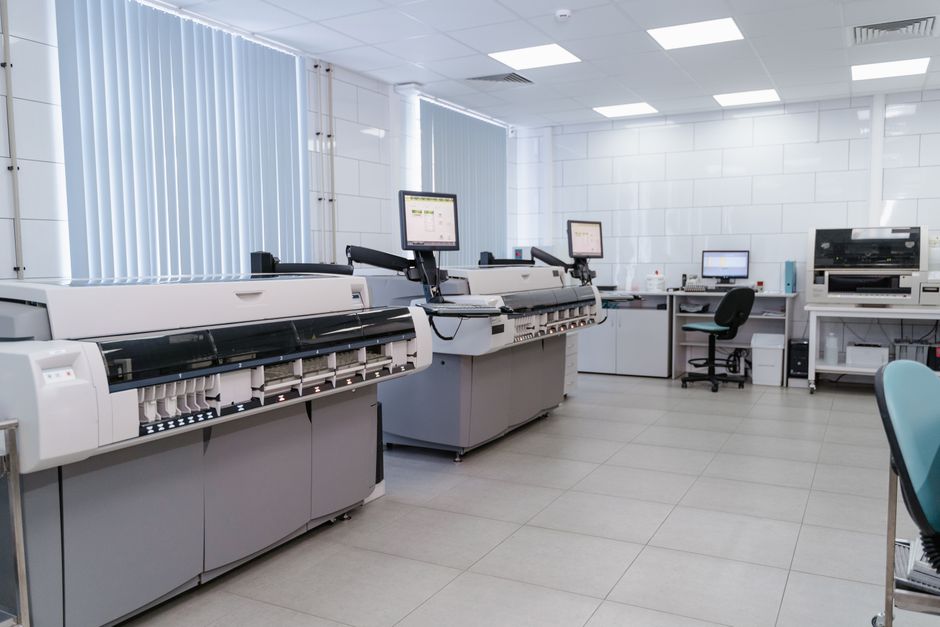
- Researchers have developed a new method to detect ubiquitin tags on non-protein biomolecules using mass spectrometry.
- The study found that ubiquitin is involved in the regulation of glycogen metabolism, particularly during fasting periods.
- Approximately 1% of the liver’s total ubiquitin is involved in the ubiquitination of glycogen during fasting.
- The discovery has significant implications for our understanding of cellular processes and ubiquitin’s role in biomolecule function.
- The method has shed light on complex interactions between ubiquitin and various biomolecules.
Researchers have made a groundbreaking discovery using an innovative method of mass spectrometry, detecting the small protein ubiquitin on biomolecules other than proteins. The study, published in Nature, reveals that in mouse liver, the energy-storing molecule glycogen has a significant increase in ubiquitination during fasting, when glycogen is broken down. This finding has important implications for our understanding of cellular processes and the role of ubiquitin in regulating biomolecule function.
The Evidence for Ubiquitin Tags

The new method of mass spectrometry has provided hard data on the presence of ubiquitin tags on non-protein biomolecules. According to the study, approximately 1% of the liver’s total ubiquitin is involved in the ubiquitination of glycogen during fasting. This suggests that ubiquitin plays a crucial role in the regulation of glycogen metabolism, particularly during periods of energy deprivation. The study’s findings are supported by primary sources, including the analysis of mouse liver samples using mass spectrometry.
The Key Players in Ubiquitin Regulation

The researchers involved in the study have made significant contributions to our understanding of ubiquitin regulation. The team, led by experts in the field of proteomics, has developed a novel method for detecting ubiquitin tags on non-protein biomolecules. Their work has shed light on the complex interactions between ubiquitin and various biomolecules, including glycogen. Recent moves in the field have focused on elucidating the mechanisms of ubiquitin regulation and its role in cellular processes.
The Trade-Offs of Ubiquitin Regulation

The regulation of ubiquitin tags on non-protein biomolecules has significant costs, benefits, risks, and opportunities. On one hand, the ubiquitination of glycogen during fasting allows for the efficient breakdown of energy-storing molecules, providing a rapid source of energy for the cell. On the other hand, dysregulation of ubiquitin tags has been implicated in various diseases, including cancer and neurodegenerative disorders. The risks associated with ubiquitin regulation highlight the need for further research into the mechanisms underlying this process.
The Timing of Ubiquitin Regulation

The study’s findings suggest that the timing of ubiquitin regulation is critical, particularly during periods of energy deprivation. The increase in ubiquitination of glycogen during fasting highlights the importance of ubiquitin in regulating biomolecule function in response to changing cellular conditions. The reasons behind the observed changes in ubiquitin regulation are complex and multifaceted, involving the interplay of various cellular pathways and mechanisms.
Where We Go From Here
Looking ahead, there are several possible scenarios for the next 6-12 months. One scenario involves the further elucidation of the mechanisms underlying ubiquitin regulation, including the identification of key enzymes and pathways involved in the process. Another scenario involves the exploration of the therapeutic potential of targeting ubiquitin regulation in various diseases. A third scenario involves the development of novel methods for detecting and analyzing ubiquitin tags on non-protein biomolecules, enabling a deeper understanding of this complex process.
In conclusion, the detection of ubiquitin tags on non-protein biomolecules using a new method of mass spectrometry has significant implications for our understanding of cellular processes. The study’s findings highlight the importance of ubiquitin in regulating biomolecule function and provide a foundation for further research into the mechanisms underlying this process. As researchers continue to explore the complexities of ubiquitin regulation, we can expect a deeper understanding of the role of ubiquitin in maintaining cellular homeostasis.
Source: Nature