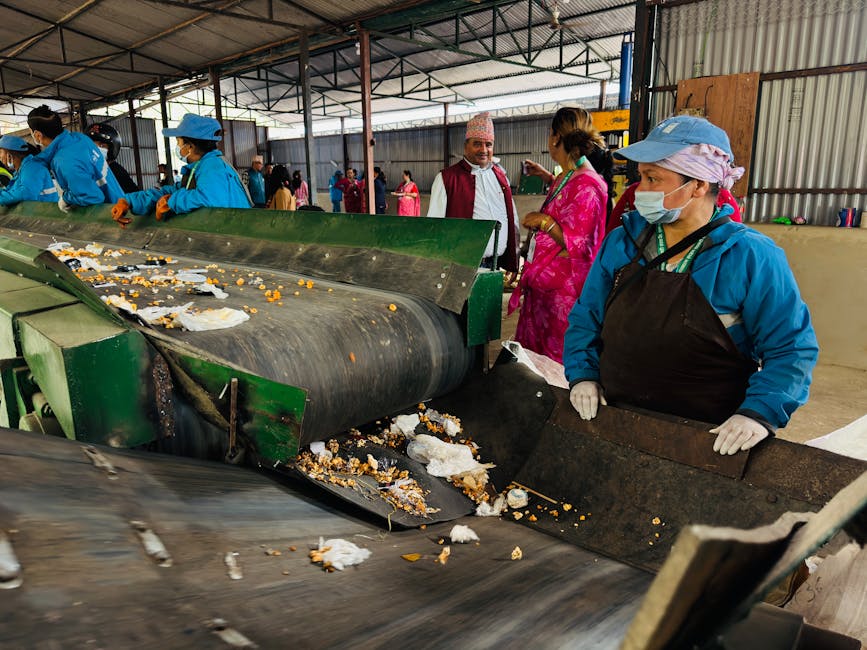
- A new study reveals that recovering plastic packaging from mixed domestic waste boosts recycling rates, but poses contamination and safety risks.
- The quality of recycled plastics may be compromised due to the recovery of plastic from mixed waste.
- Policies supporting the sorting of plastics from mixed waste with strict quality standards are necessary to mitigate risks.
- Investment in advanced purification systems is crucial to ensure the quality of recycled plastics.
- The recovery of plastic from mixed waste raises concerns about environmental and human health implications.
The recovery of plastic packaging from mixed domestic waste has been shown to increase recycling volumes, but it also raises concerns about contamination and safety risks, according to a recent study published in Nature. The research highlights the need for policies that support the sorting of plastics from mixed waste at central facilities to have strict quality standards and investment in advanced purification systems. This development is significant as it affects the overall quality of recycled plastics and has implications for the environment and human health.
Background and Context

The issue of plastic waste management has become a pressing concern globally, with millions of tons of plastic waste generated every year. The traditional approach to plastic recycling has been to rely on households to sort and separate plastics from other waste. However, this approach has limitations, and the recovery of plastic from mixed waste has been proposed as a potential solution to increase recycling rates. The new study provides valuable insights into the effectiveness of this approach and highlights the need for careful consideration of the potential risks and challenges involved.
Key Findings and Implications

The study found that recovering plastic packaging from mixed domestic waste, as well as collecting plastic waste already sorted by households, increases recycling volumes. However, this approach also raises contamination and safety risks, which can have significant implications for the quality of recycled plastics. The research suggests that policies that support the sorting of plastics from mixed waste at central facilities should prioritize strict quality standards and investment in advanced purification systems to ensure safe recycling outcomes. This is crucial to prevent the contamination of recycled plastics and to ensure that they can be safely used in various applications.
Analysis and Expert Insights

The study’s findings have significant implications for the development of effective plastic waste management strategies. Experts in the field emphasize the need for a comprehensive approach that takes into account the entire lifecycle of plastics, from production to disposal. This includes the development of sustainable packaging solutions, the implementation of effective waste collection and sorting systems, and the creation of markets for recycled plastics. The use of advanced technologies, such as plastic recycling technologies, can also play a crucial role in improving the efficiency and effectiveness of plastic recycling processes.
Broader Implications and Future Directions

The recovery of plastic from mixed waste has the potential to make a significant contribution to the reduction of plastic waste and the promotion of a circular economy. However, it is essential to address the challenges and risks associated with this approach, including contamination and safety risks. As the world moves towards a more sustainable future, it is crucial to develop and implement effective plastic waste management strategies that prioritize the environment and human health. This includes investing in research and development, improving waste collection and sorting systems, and creating markets for recycled plastics. For more information on plastic waste management, visit the United States Environmental Protection Agency website.
Expert Perspectives
Experts in the field of plastic waste management have differing opinions on the effectiveness of recovering plastic from mixed waste. Some argue that it is a necessary step towards increasing recycling rates and reducing plastic waste, while others emphasize the need for more stringent quality standards and advanced purification systems to ensure safe recycling outcomes. As the debate continues, it is essential to consider the perspectives of various stakeholders, including policymakers, industry leaders, and environmental organizations, to develop a comprehensive and effective approach to plastic waste management.
Looking ahead, it is crucial to monitor the development of new technologies and strategies for plastic waste management and to assess their effectiveness in reducing plastic waste and promoting a circular economy. The use of advanced technologies, such as artificial intelligence and machine learning, can play a significant role in improving the efficiency and effectiveness of plastic recycling processes. As the world continues to grapple with the challenges of plastic waste management, it is essential to prioritize research and development, international cooperation, and the creation of effective policies and strategies to address this pressing global issue.
Source: Nature