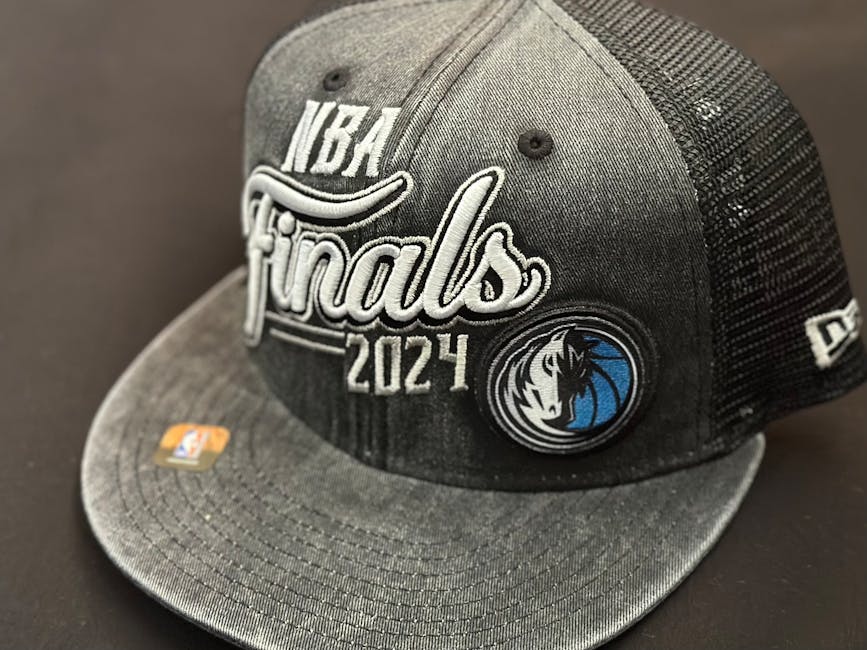
- NBA Finals tickets now cost a minimum of $8,000, pricing out many fans and sparking debates on economic inequality.
- President Trump’s comment to watch the games on TV if tickets are unaffordable intensified discussions on sports affordability.
- The rising ticket prices highlight the growing wealth gap and inflation’s impact on everyday Americans’ ability to enjoy live sports.
- Critics argue that NBA teams prioritize profits over fan accessibility, exacerbating economic disparities.
- The issue of high ticket prices is not new, with costs having risen sharply over the past few decades due to premium seating and dynamic pricing.
President Trump recently sparked controversy when he told Knicks fans who cannot afford the hefty ticket prices for the NBA Finals to simply “watch it on television”. With ticket prices hitting a floor of $8,000, many fans are being priced out of attending the games in person. The President’s response has ignited a debate about the affordability of live sports and the impact of inflation on everyday Americans. As Trump plans to attend Game 3 in New York himself, the issue of accessibility and economic inequality has come to the forefront.
The Current State of NBA Finals Ticket Prices

The surge in ticket prices for the NBA Finals has left many fans reeling. The cost of attending a game in person has become prohibitively expensive for all but the wealthiest individuals. The $8,000 floor price for tickets is a stark reminder of the growing wealth gap in the United States. As the country struggles with inflation and stagnating wages, the idea of paying such a high price for a sporting event is unthinkable for most people. The NBA and team owners are facing criticism for their role in driving up ticket prices, with many arguing that they are prioritizing profits over fan accessibility.
A Brief History of Rising Ticket Prices

The issue of rising ticket prices is not a new one. Over the past few decades, the cost of attending live sports has increased exponentially. The introduction of premium seating, luxury suites, and dynamic pricing models has all contributed to the surge in ticket prices. Additionally, the growing popularity of secondary ticketing markets has created a culture of price gouging, where tickets are resold at inflated prices to the highest bidder. As a result, the average fan has been priced out of attending games in person, forced to rely on television broadcasts or online streams to follow their favorite teams.
The Key Players in the Ticket Pricing Debate

President Trump’s comments on the issue have brought attention to the role of politicians and public figures in shaping the debate around ticket prices. However, the key players in this issue are the team owners, league officials, and ticketing companies. These entities have a significant amount of power in determining ticket prices and accessibility. The NBA, in particular, has faced criticism for its handling of ticket pricing, with many arguing that the league prioritizes revenue over fan experience. As the debate continues, it will be important to watch how these key players respond to growing concerns over affordability and accessibility.
The Consequences of Unaffordable Ticket Prices

The consequences of unaffordable ticket prices are far-reaching. For fans, the inability to attend games in person can be a significant disappointment, particularly for those who have supported their teams for years. For local communities, the loss of fan attendance can have a negative impact on local businesses and economies. Furthermore, the growing wealth gap between those who can afford tickets and those who cannot has significant social implications, exacerbating feelings of inequality and exclusion. As the NBA and other sports leagues continue to prioritize profits over people, they risk alienating their most loyal fans and damaging the long-term health of their sport.
The Bigger Picture
The issue of unaffordable ticket prices is a symptom of a larger problem – the growing wealth gap and economic inequality in the United States. As reports have shown, the wealthiest 1% of Americans now hold more than 40% of the country’s wealth, while the bottom 90% hold just 27%. The inability of ordinary Americans to afford basic luxuries like attending a sporting event is a stark reminder of the need for greater economic equality and accessibility. As the country continues to grapple with these issues, the debate over ticket prices will remain an important one, highlighting the need for a more equitable and just society.
In the end, the controversy over NBA Finals ticket prices serves as a reminder that sports are not just a form of entertainment, but also a reflection of our society’s values and priorities. As fans, teams, and leagues navigate this issue, they must consider the long-term consequences of their actions and work towards creating a more accessible and inclusive environment for all. The question remains – what comes next? Will the NBA and other sports leagues take steps to address the issue of affordability, or will fans be forced to continue watching from the sidelines?
Source: Fortune